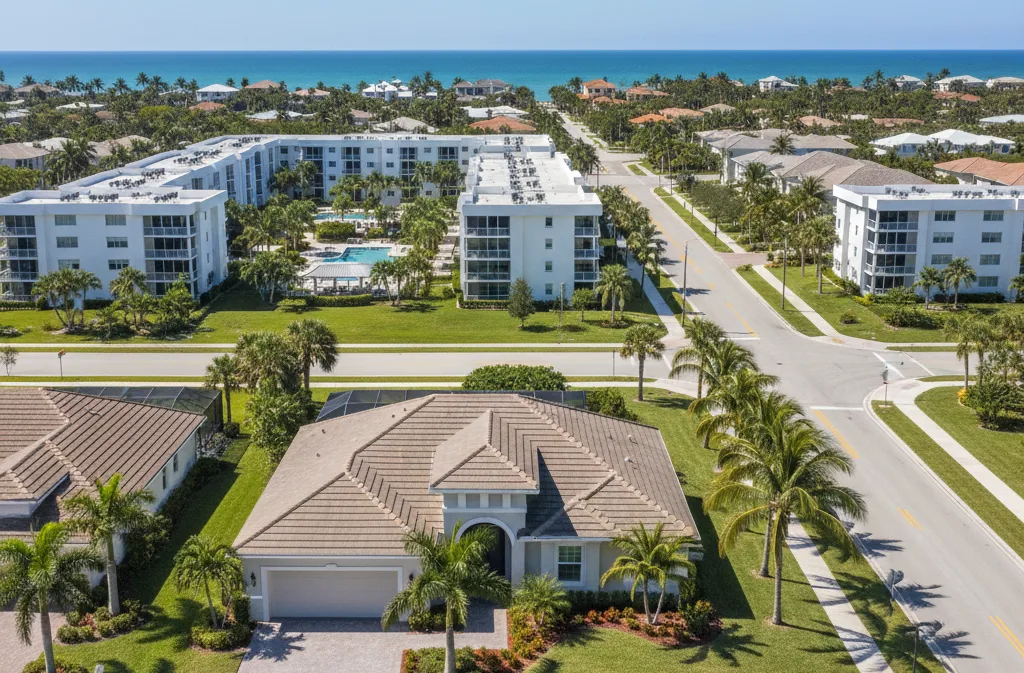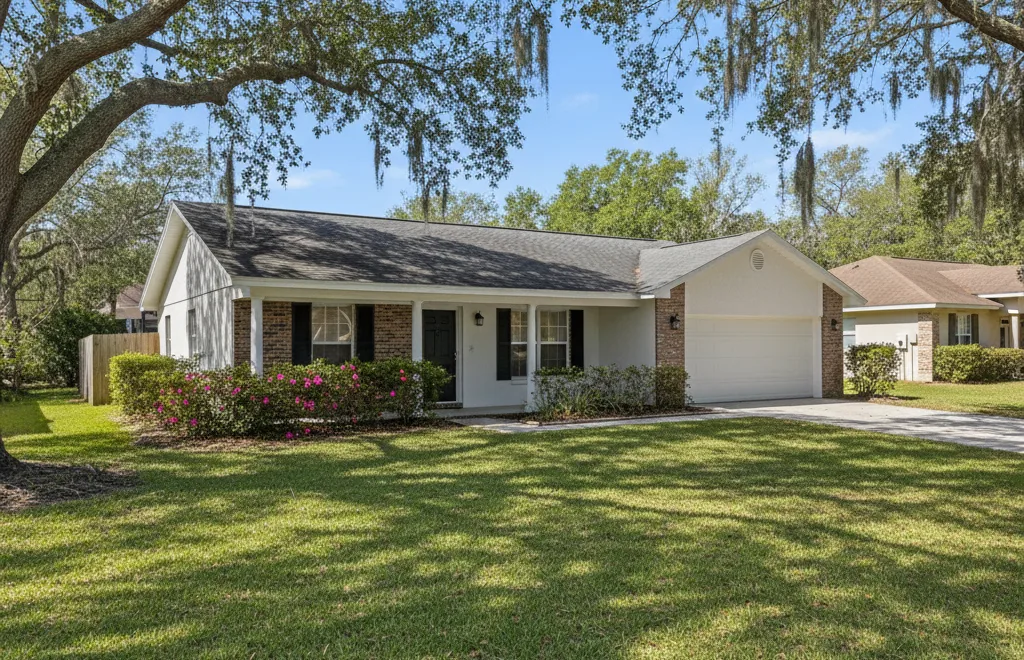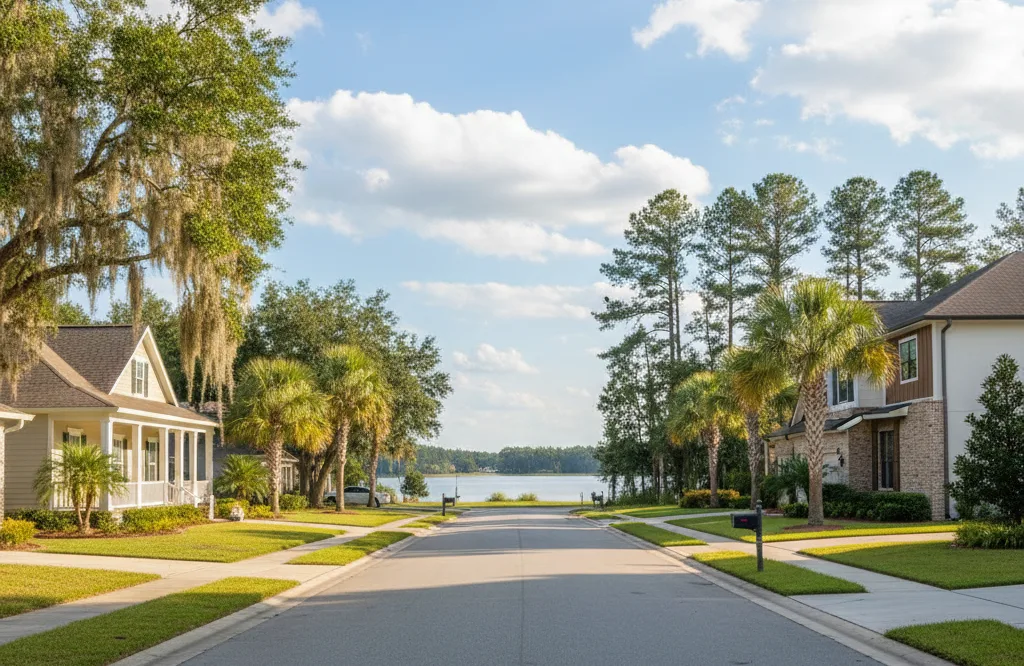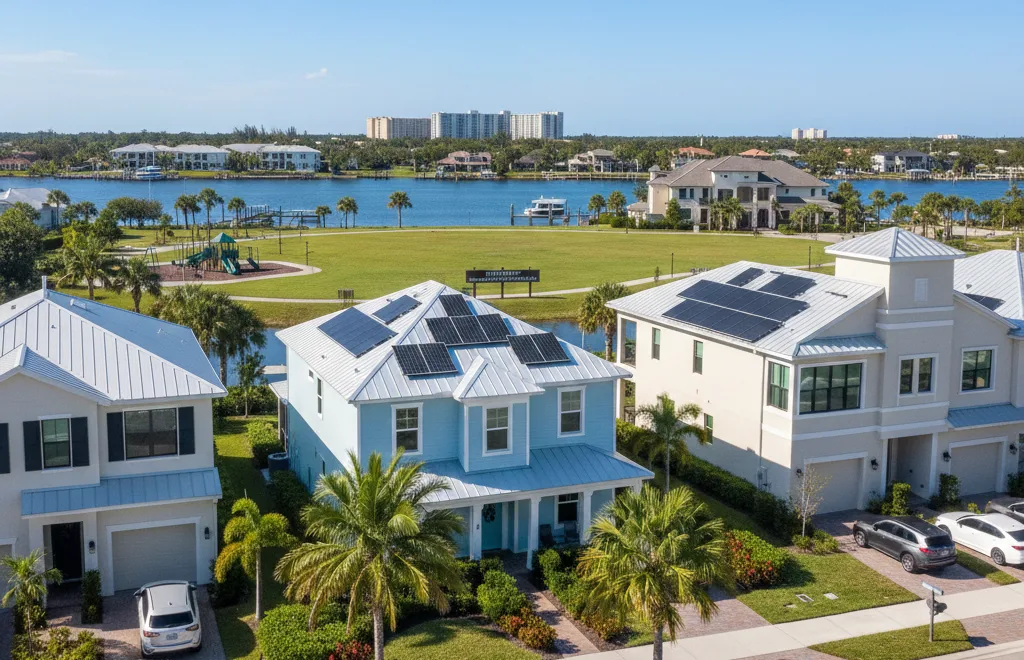


If you’re getting ready to make an offer on a house, you’ve probably started searching for a home inspection checklist to figure out what actually gets checked. I’m Kassidy Babcock, a full-time real estate agent in Palatka, and after nearly 60 closings across Putnam, Alachua, Clay, and St. Johns counties, I can tell you the generic national checklists miss the things that matter most in North Florida. Well water, septic systems, termites, and flood risk near the St. Johns River show up in my closings far more than they show up in standard templates. This home inspection checklist covers both the basics every buyer should know and the regional items I flag for clients before they ever sign a contract. When you find a home worth inspecting, you can search current North Florida homes for sale by county and price.
Schedule a Consultation
What Is a Home Inspection and Why It Matters
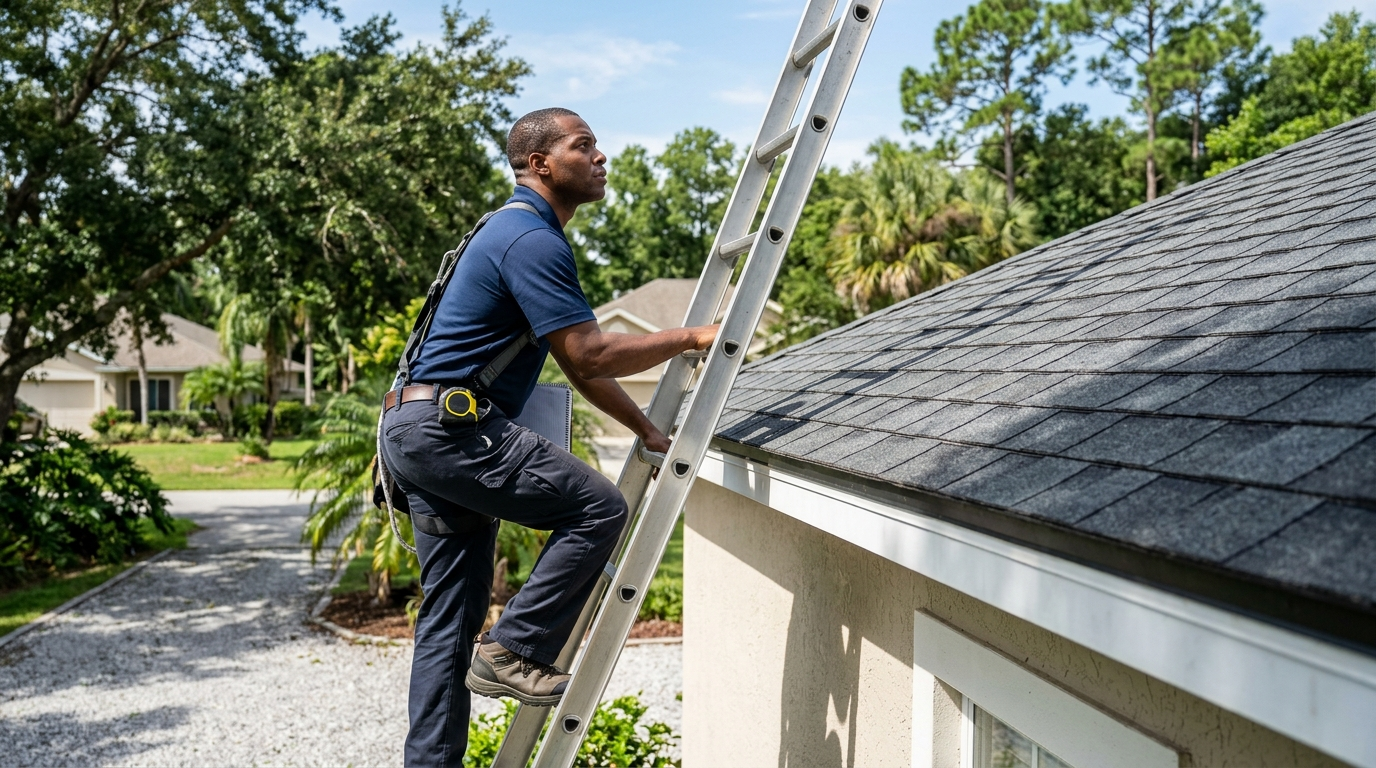
A home inspection is a visual, non-invasive review of a property’s major systems, performed by a licensed inspector after your offer is accepted. It’s separate from the lender’s appraisal, which only confirms the home’s value. The inspection protects you. It tells you what you’re actually buying before you’re locked into the purchase, and it gives you room to negotiate repairs or a price adjustment if something significant turns up.
Most buyers I work with skip this step or treat it as a formality. That’s a mistake. If you only remember one thing from this home inspection checklist, remember that the report is your leverage, not just paperwork for the file.
What Does a Home Inspector Check?
A standard inspection runs two to four hours and covers the home from roof to foundation. Here’s what a licensed inspector typically reviews:
- Roof and gutters: shingle condition, flashing, signs of leaks or sagging
- Exterior and foundation: siding, grading, drainage, visible cracks
- Attic and insulation: ventilation, moisture, pest evidence
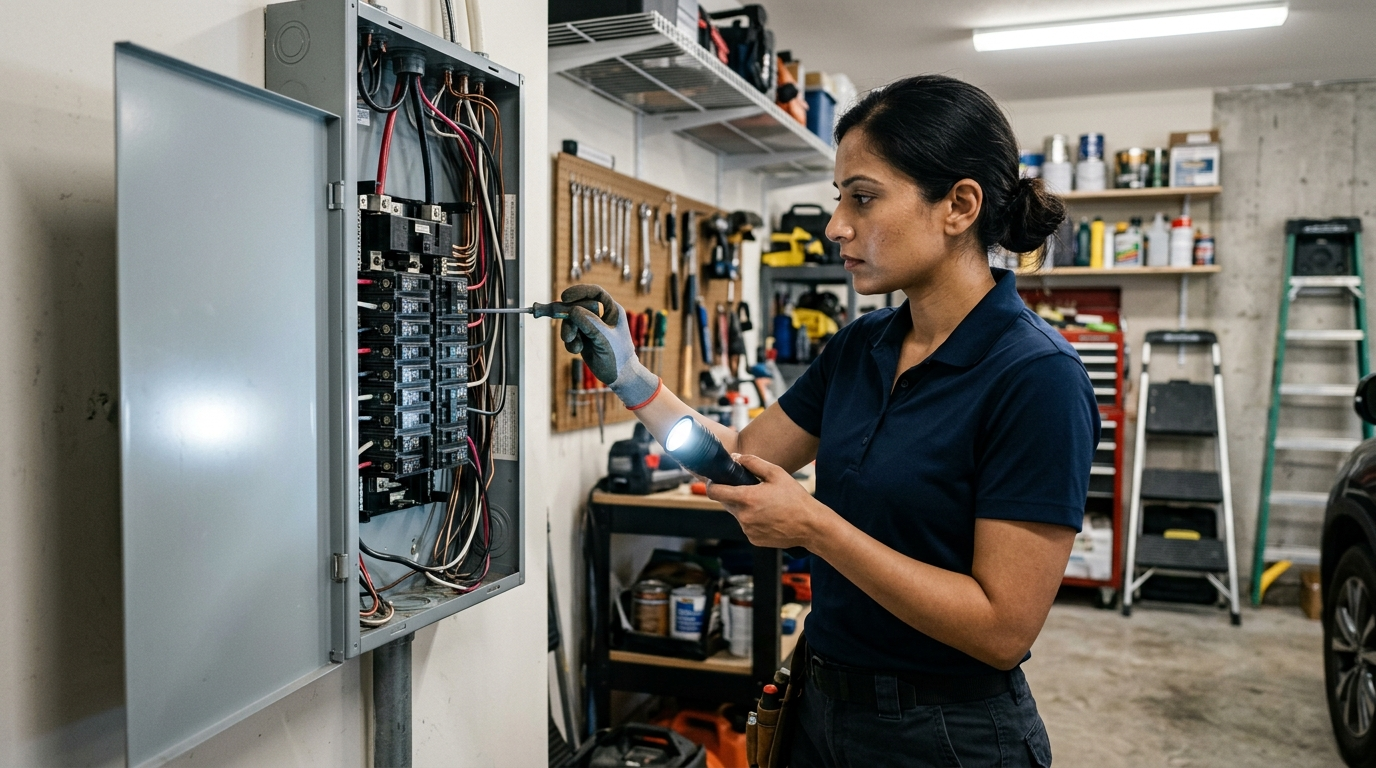
- Electrical panel and outlets: panel age, wiring type, GFCI protection
- Plumbing: supply lines, drains, water heater condition and age
- HVAC system: age, performance, and remaining lifespan
- Windows and doors: seals, function, signs of water intrusion
- Built-in appliances: basic function testing
Inspectors also note visible signs of mold, pest damage, or past water intrusion, though they won’t open walls or move furniture to find hidden issues. A standard house inspection checklist is a visual review, not a full diagnostic, which is exactly why the items below matter so much in this part of Florida.
Search North Florida Homes
Home Inspection Checklist Items Specific to North Florida
This is the part most national templates leave out entirely, and it’s where my clients ask the most questions.
Well Water and Septic Systems
A large share of homes I sell in rural Putnam County run on private well water and septic, rather than city utilities. Standard inspections don’t always include a septic evaluation or water quality test, so you may need to request these separately. A failing drain field or contaminated well can cost thousands to fix, and it’s not something a general inspector will catch without being asked.
WDO and Termite Inspection
Florida requires a Wood-Destroying Organism, or WDO, inspection for most home purchases, and it’s a separate report from the general home inspection. Subterranean termites are common across North Florida’s humidity and tree cover, and lenders often require this report before closing, especially on older homes.
Flood Factor for Properties Near the St. Johns River
Homes near the river in Palatka, East Palatka, and parts of Putnam County carry a different flood risk profile than homes further inland. Ask your inspector and your insurance agent to review the flood zone designation and elevation certificate together, since this affects both your insurance premium and your ability to finance the property.
Older Home Issues Across Palatka, Alachua, Clay, and St. Johns Counties
A lot of housing stock across this region predates 1990, and older homes bring predictable issues: aluminum or knob-and-tube wiring, original galvanized plumbing, and aging roofs. None of these are deal breakers on their own, but they’re negotiation points, and a good inspector will document the age and condition of each system clearly enough for you to act on it.
Schedule a Consultation
Home Inspection Checklist for Buyers: Step by Step
Here’s how the process typically unfolds once your offer is accepted:
- Schedule the inspection within your contract’s inspection period, usually 7 to 15 days.
- Hire a licensed inspector, and ask specifically whether well, septic, or WDO testing is included or needs to be added.
- Attend the inspection if your schedule allows. Walking through with the inspector gives you context the written report won’t fully capture.
- Review the report within 24 to 48 hours of the visit.
- Negotiate repairs or credits based on what the report turns up, working with your agent to decide what’s worth pursuing.
- Re-inspect, if needed, to confirm agreed repairs were completed before closing.
If you don’t already have representation, working with a buyer’s agent in Florida means someone is reviewing that report alongside you and helping you decide what’s actually worth negotiating.
How Much Does a Home Inspection Cost in Florida?
Most general home inspections in Florida run a few hundred dollars, with the exact price depending on the home’s size and age. Add-ons like a septic evaluation, well water test, or WDO inspection each carry their own separate fee, often a few hundred dollars more combined. Larger homes, older homes, and properties with detached structures or crawl spaces typically cost more to inspect, since they take longer to complete.
Red Flags That Should Make You Slow Down
Most inspection findings are minor and expected, especially on an older home. A few findings, though, are worth pausing over before you move forward:
- Active termite damage or fresh mud tubes, which point to an ongoing infestation rather than past treatment
- Foundation cracks wider than a hairline, especially if they run diagonally or appear on multiple walls
- A roof nearing the end of its life combined with visible water staining in the attic
- An electrical panel with outdated or recalled components, which can affect both safety and your ability to get insured
- A septic system that hasn’t been pumped or inspected in years, since failures are expensive and not always obvious from the yard
None of these automatically mean you should walk away. They mean you should ask for documentation, get a specialist opinion if needed, and factor the cost into your negotiation before you remove your inspection contingency.
How Often Should You Re-Inspect an Older Home?
Homes built before the 1990s benefit from a closer look at a few specific systems. If the seller’s disclosure mentions a roof replacement, panel upgrade, or septic work, ask for permits or receipts rather than taking the listing description at face value. A licensed inspector can confirm whether the work matches what was claimed, which matters more in this region’s older housing stock than it does in newer subdivisions.
What Happens After the Inspection
Once you have the report, you and your agent will decide whether to ask the seller for repairs, a price reduction, or a credit toward closing. These negotiations directly affect what you pay at the table, so it’s worth understanding how repair credits interact with your Florida closing costs before you finalize your ask. In a competitive market, some buyers choose to accept smaller issues rather than risk losing the home, while major structural or safety findings are almost always worth pursuing.
For buyers who want an outside reference point beyond what any single inspector tells them, the American Society of Home Inspectors publishes standards of practice that outline exactly what a general inspection should and shouldn’t cover.
Before You Start Searching for a Home
A home inspection checklist only matters once you’ve found a property worth inspecting. If you haven’t started yet, you can search Florida homes for sale and reach out when you’re ready to make an offer, well before the inspection clock starts running.
Buying a home in North Florida means dealing with humidity, older housing stock, and in many areas, well water and septic systems that standard checklists ignore. A home inspection checklist built for this region, not a national template, is what actually protects your investment.
Schedule a Consultation