

Most buyers walk into a home purchase focused on the price, the location, and how the kitchen looks. And then, somewhere in the stack of paperwork, a document lands in their lap that nobody properly explained to them. Understanding what is a seller disclosure is one of the most important things any buyer or seller can do before a real estate transaction moves forward in Florida.
I’m Kassidy Babcock, a full-time realtor with Timber To Tides Realty serving buyers and sellers across Putnam, Clay, St. Johns, and Alachua counties. I’ve walked through disclosure documents on dozens of transactions, and I’ve seen what happens when buyers don’t read them carefully and when sellers don’t fill them out honestly. This guide gives you the complete picture.
What Is a Seller Disclosure and Why Does It Exist
A seller disclosure is a written document where the homeowner lists everything they know about the property that could affect a buyer’s decision to purchase it. Think of it as an honest account of the home’s history and current condition. It exists because sellers live in the property. They know things about it that aren’t visible during a walkthrough and that won’t necessarily show up during a standard home inspection.
The Legal Foundation Behind the Document
In Florida, the requirement to disclose comes from a landmark 1985 case called Johnson v. Davis, where the Florida Supreme Court ruled that sellers must reveal facts they know about a property that could materially affect its value and that a buyer wouldn’t discover through a reasonable inspection. That ruling became the foundation of Florida’s disclosure law and established that hiding known problems isn’t legally acceptable, even if the seller never signs a specific form.
Why Florida Created Its Disclosure Requirement
Florida’s real estate market attracts buyers from across the country and internationally. Many of those buyers have never set foot in the state before they make an offer. Florida lawmakers and courts recognized that out-of-state buyers are especially vulnerable because they can’t rely on local knowledge or repeat visits to catch things a seller knows. The disclosure requirement levels the playing field by putting the seller’s knowledge on paper before money changes hands.
What Florida Law Actually Requires Sellers to Disclose
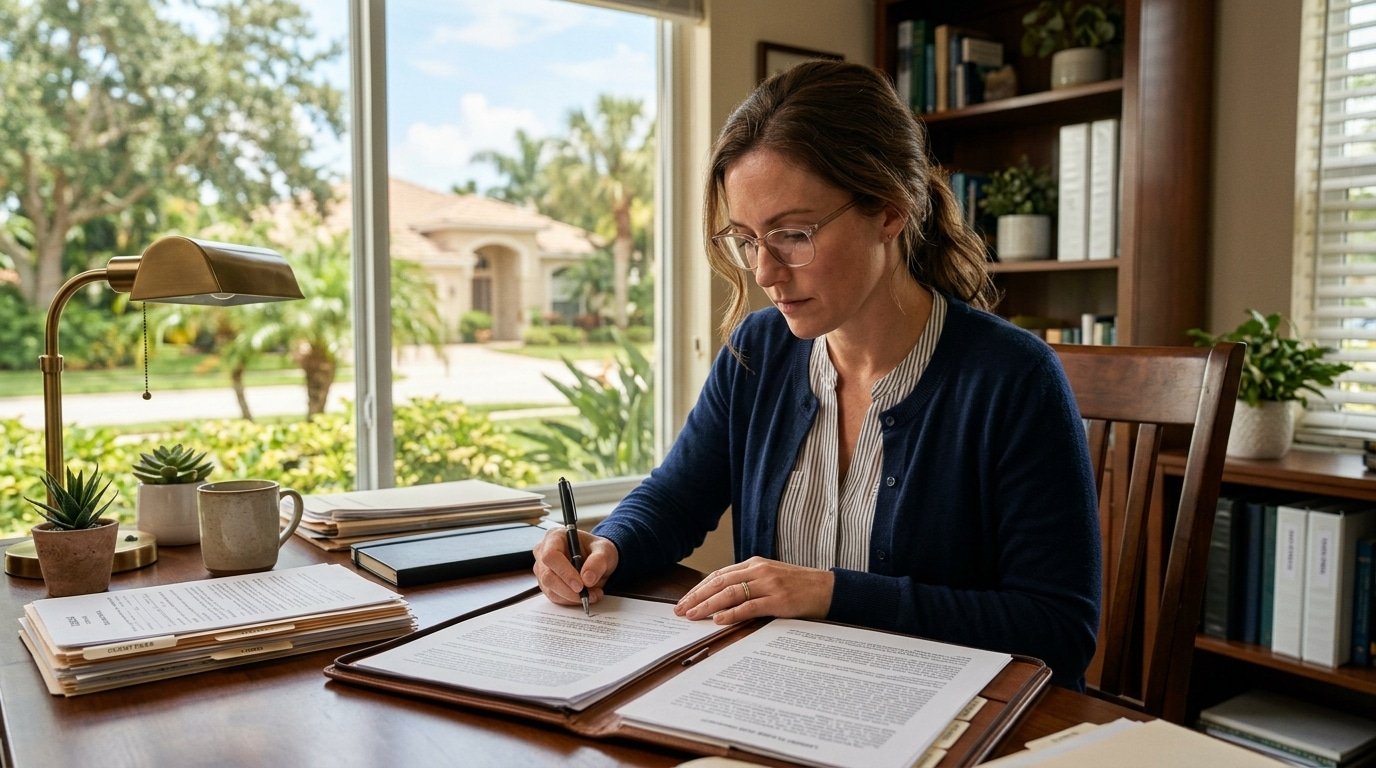
Understanding what is a seller disclosure means knowing exactly what information a seller is legally required to share. According to Florida Statutes Chapter 689, sellers must disclose any fact that they know about, that materially affects the property’s value, and that isn’t readily observable by the buyer. Florida doesn’t require a specific standardized form, but the Florida Realtors association provides one that’s widely used. To understand how this fits into the bigger picture of the transaction, it helps to look at what the full process of selling a home in Florida looks like from start to finish.
Material Defects and Known Problems
Material defects include roof leaks, foundation cracks, plumbing or electrical problems, pest infestations, mold or moisture intrusion, and HVAC issues the seller is aware of. The standard is whether a reasonable buyer would consider the information important in deciding whether to purchase and at what price. If the answer is yes, the seller needs to disclose it.
Environmental and Structural Disclosures
Florida sellers are also required to disclose environmental hazards they know about. This includes lead-based paint in homes built before 1978 (which is a federal requirement), asbestos, Chinese drywall, and any known issues with the soil or drainage. Structural problems that affect the home’s safety or integrity fall into this category too. Sellers must also disclose pending code enforcement actions and provide a property tax disclosure statement explaining that a new buyer’s taxes may change after purchase.
What the Seller Disclosure Form Looks Like
The Florida Realtors Disclosure Form Explained
The Florida Realtors disclosure form runs several pages and covers the property’s major systems, structure, environmental history, HOA or community information, legal status, and more. The seller works through each section, checking yes, no, or unknown for each item, then adding explanations where needed. The form isn’t legally required, but it’s used in the vast majority of transactions because it organizes disclosures clearly and protects sellers from future claims if they’ve completed it honestly.
The Most Common Disclosure Issues I See in Northeast Florida
This is where things get specific. Working across Northeast Florida, and particularly in rural parts of Putnam County, I see disclosure items that out-of-state buyers routinely don’t know how to interpret. Knowing what is a seller disclosure in theory is very different from knowing what the red flags look like in practice here.
Septic Systems and Well Water in Rural Properties
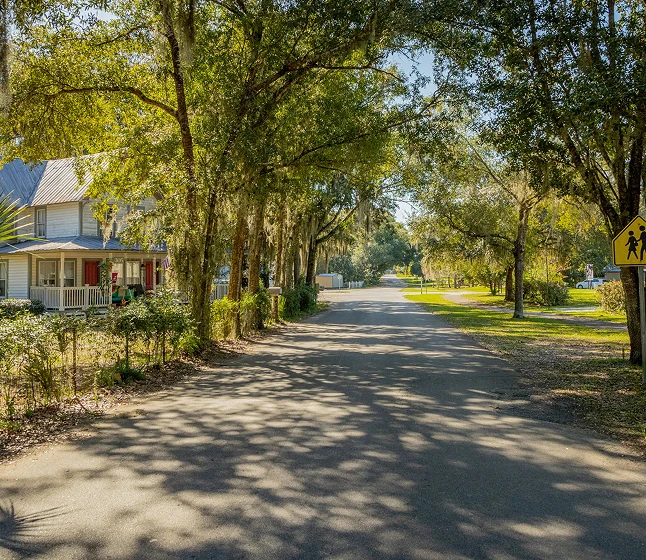
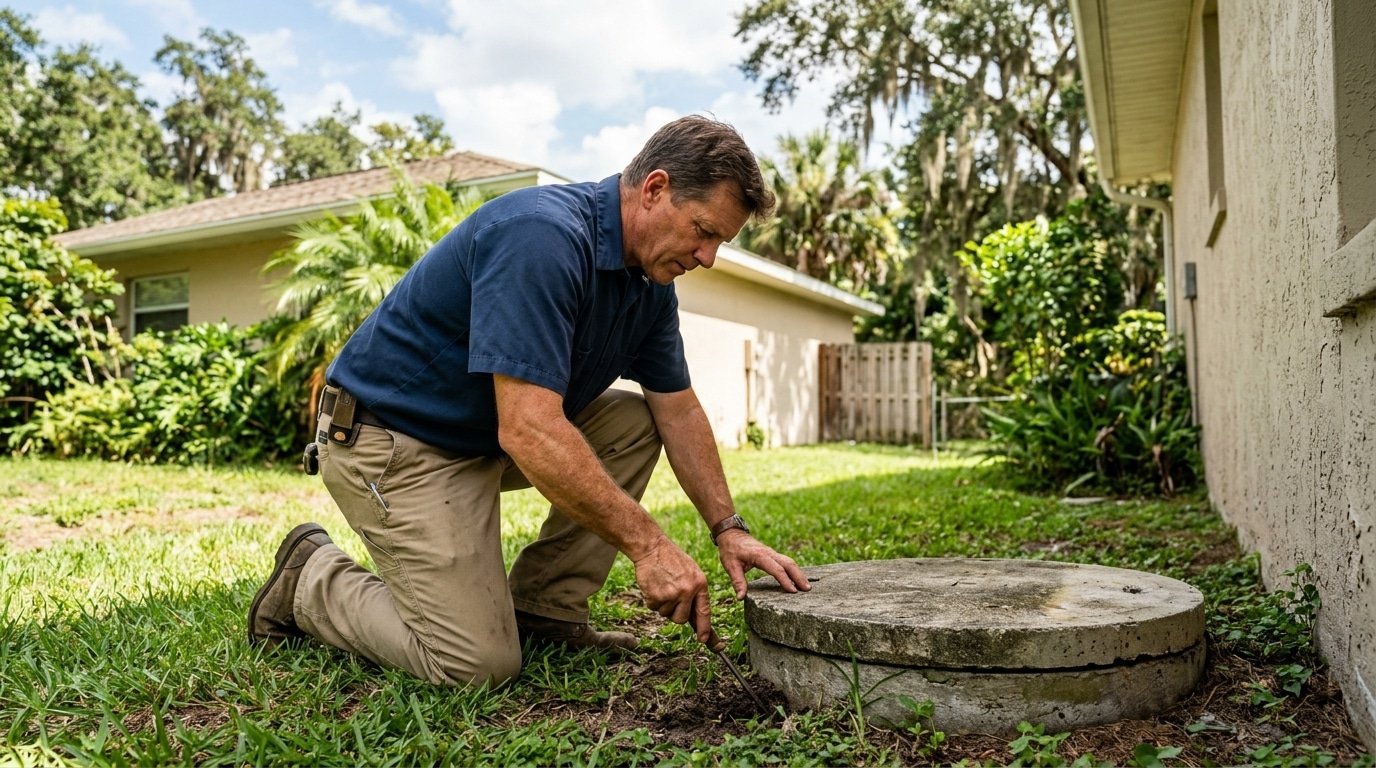
Most rural properties in Putnam County operate on private septic systems and well water rather than public utilities. This is normal for this part of Florida, but buyers from urban markets often have no frame of reference for what to look for. Sellers are required to disclose any known issues with the septic system or well, including prior failures, age of the system, or capacity problems. If a disclosure shows septic repairs in the last few years or the seller marking unknown on system condition, that’s a prompt to request a full septic inspection, not just a standard home inspection. The same logic applies to well water quality tests. If you’re looking at Putnam County homes for sale, plan for these items to come up and know what questions to ask before you write an offer.
Flood Zones and Prior Storm or Water Damage
Florida’s geography means flood zone status is a significant factor in many rural transactions. Sellers must disclose known flooding history on the property. But the disclosure often reveals prior storm damage, insurance claims, or repairs that tell a story about how a property performs in heavy rain. I always cross-reference the disclosure against the FEMA flood map and the property’s insurance history when these items appear. Properties that have flooded before will flood again. That’s a financial decision, not just a lifestyle one.
What Happens If a Seller Fails to Disclose in Florida
Your Legal Rights as a Buyer
If a seller knowingly conceals a material defect and you discover it after closing, you have legal recourse in Florida. You may be able to pursue claims for fraud, misrepresentation, or breach of contract depending on the circumstances. The key word is knowingly. You have to demonstrate that the seller was aware of the problem and chose not to disclose it. That’s why documentation matters. Keep your inspection reports, your disclosure forms, and any communications with the seller throughout the process.
How to Use a Seller Disclosure to Negotiate
Using Disclosures to Request Repairs or Price Reductions
A disclosure isn’t just a legal document. It’s a negotiating tool if you know how to use it. When a disclosure reveals a known issue, you have options. You can request that the seller repair the item before closing, ask for a price reduction that accounts for the cost of the repair, or request a closing credit so you handle the work yourself after you move in. Which approach makes more sense depends on the severity of the issue, the seller’s motivation, and what your home inspection confirms about the actual condition.
How Kassidy Helps Buyers Understand Every Disclosure
Why I Walk Through Disclosures With Every Buyer Before They Sign Anything
When I represent a buyer, I treat the disclosure review as a non-negotiable step before we move forward on any offer. I go through every flagged item with my buyer, explain what it means in practical terms, and help them decide whether it warrants additional investigation or affects the offer terms. What is a seller disclosure to most buyers is just paperwork. In my experience, it’s often the most important document in the entire transaction.
If you want to know what your home might be worth before you list, get a free home valuation and we can talk through what disclosures you’ll need to prepare as a seller too.
Book a Free Consultation
If you’re buying or selling in Northeast Florida and want someone to walk through the process with you from contract to closing, reach out through the contact page. No pressure, no script. Just an honest conversation about what you’re trying to accomplish.