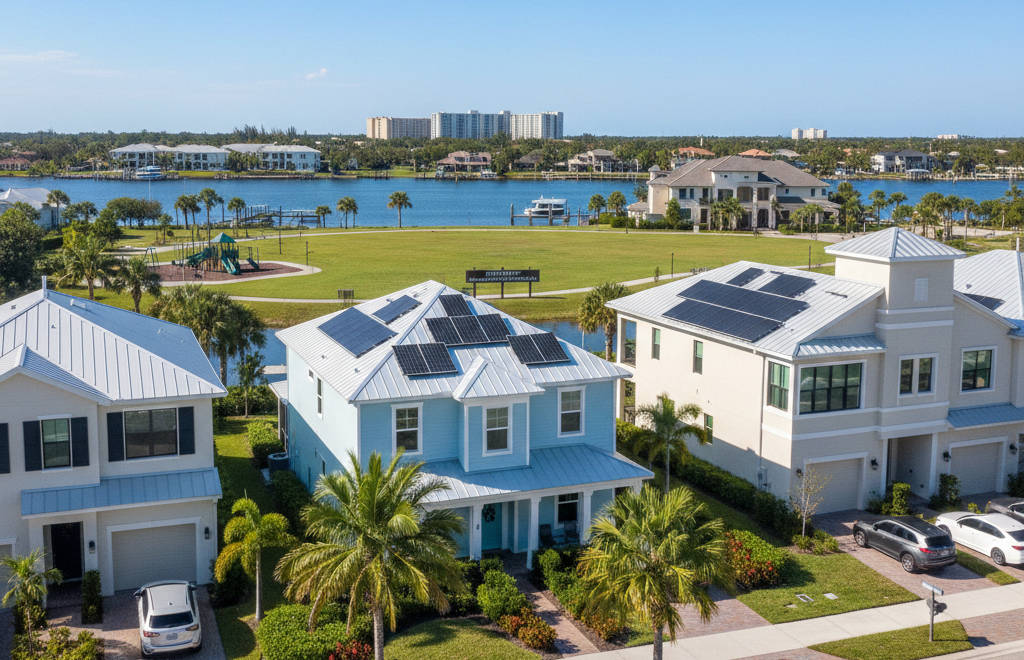


Every year, thousands of people go through the process of moving from New York to Florida, and taxes are usually the first thing that comes up in conversation. But the real cost-of-living difference goes well beyond income tax, it touches housing, insurance, groceries, and day-to-day expenses too. This guide breaks down what moving from New York to Florida actually costs, county by county across North Florida, so you can plan your relocation with real numbers instead of assumptions.
Why So Many New Yorkers Are Relocating to North Florida
North Florida has become a popular landing spot for New York transplants who want lower costs without giving up access to a mid-sized city. Jacksonville’s job market, combined with more affordable surrounding counties like Clay, St. Johns, Alachua, and Putnam, gives people moving from New York to Florida a range of price points and lifestyles to choose from, not just one expensive coastal option.
Taxes: New York vs Florida
This is usually the biggest driver behind moving from New York to Florida, and the numbers back it up.
State Income Tax Difference
New York’s state income tax ranges from about 4% to over 10% depending on income level, plus New York City residents pay an additional local income tax on top of that. Florida has no state income tax at all, which means a household moving from New York to Florida with a combined income of $150,000 could save well over $10,000 a year in state taxes alone.
Property Tax Comparison
Property tax rates vary by county in both states, but New York’s effective property tax rates are among the highest in the country, often 1.5% to 2%+ of assessed value. Florida’s effective rates are typically lower, generally 0.8% to 1.1%, and the state’s homestead exemption further reduces the taxable value for primary residences. For anyone moving from New York to Florida, this difference alone can mean thousands of dollars in annual savings on a comparably priced home.
Housing Costs: New York vs North Florida Counties
Housing is where the savings really show up for most people moving from New York to Florida.
- New York City metro: Median home prices often exceed $600,000–$800,000+, even in modest suburbs
- Clay County, FL: Median prices typically $250,000–$450,000
- St. Johns County, FL: Median prices typically $400,000–$700,000, reflecting its top-ranked schools
- Alachua County, FL: Median prices typically $280,000–$500,000
- Putnam County, FL: Median prices typically $200,000–$350,000, the most affordable of the four
For someone moving from New York to Florida with equity from a sale up north, this price gap often means buying a larger home outright or putting a significant amount toward savings and investments instead.
Climate and Lifestyle Adjustments to Expect

Beyond the financial side, there’s a real adjustment period tied to climate and pace of life. Summers in North Florida run hot and humid from roughly May through September, with regular afternoon thunderstorms. Hurricane season, June through November, is also worth understanding, since it affects insurance requirements and home maintenance in ways most northeastern transplants haven’t dealt with before.
On the upside, winters are mild, often in the 50s and 60s, without the snow removal and heating costs that come with a New York winter. Many transplants also mention a slower overall pace of life, fewer high-rises, more space, and a stronger emphasis on outdoor living throughout most of the year.
Everyday Cost of Living Differences
Beyond taxes and housing, several smaller costs add up for households moving from New York to Florida.
- Groceries: Generally comparable, though Florida runs slightly lower than New York City specifically
- Homeowners insurance: Often higher in Florida due to storm risk, which can partially offset property tax savings
- Utilities: Air conditioning costs run higher in Florida summers, while heating costs in New York winters are typically higher overall
- Car insurance: Rates vary widely by county, but Florida rates have risen in recent years and should be quoted before finalizing a moving budget
None of these individually offset the tax and housing savings, but they’re worth factoring into a full moving from New York to Florida budget rather than focusing on income tax alone.
Which North Florida County Fits Different New York Buyers
- Want the best schools and don’t mind paying more? St. Johns County
- Want a strong balance of affordability and commute to Jacksonville? Clay County
- Want a university-town feel with a strong job market? Alachua County
- Want the most affordable option and a slower pace of life? Putnam County
Comparing housing costs across North Florida counties before picking a specific town can save a lot of second-guessing once you’ve already relocated.
Planning Your Move
Anyone seriously moving from New York to Florida should start with a few practical steps:
- Get pre-approved with a lender familiar with out-of-state relocations
- Research county-specific tax rates and insurance costs, not just statewide averages
- Visit before you commit, ideally during both summer and a cooler month, to understand the climate year-round
- Talk to an agent who understands relocation logistics, since timing a sale up north with a purchase down here takes coordination
It’s worth taking the time to work with an agent who specializes in out-of-state relocations, since coordinating a sale in New York with a purchase in Florida involves timing that a local-only agent may not be used to managing.
Final Thoughts
Moving from New York to Florida offers real, measurable savings, no state income tax, lower property tax rates, and significantly lower home prices in most North Florida counties. That said, the decision isn’t just about taxes. Insurance costs, summer utility bills, and lifestyle differences all factor into the true cost of the move.
Once you’ve run the numbers and picked a county that fits your budget and priorities, you can browse listings across North Florida by price and county to get a realistic sense of what your new home could look like. And before you finalize a budget, remember to budget for Florida-specific closing costs, since they differ from what many New York buyers are used to.