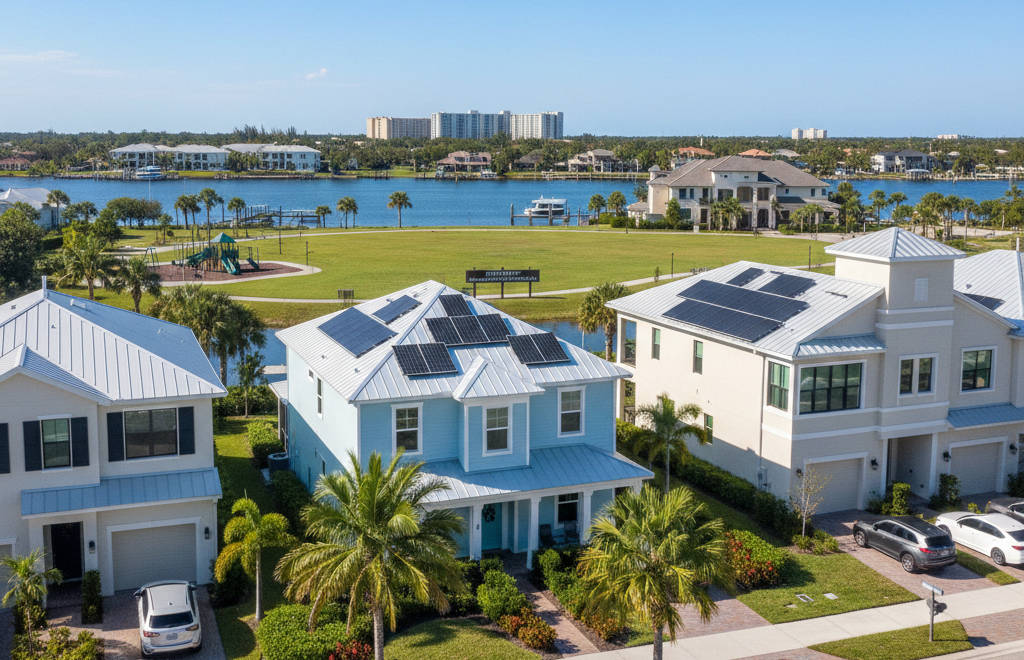


An investor I worked with a few years back told me something I never forgot. He said every other rental market he’d owned in felt like gambling on the economy, but Gainesville felt like gambling on whether teenagers would keep going to college. He’d been renting to students near campus for over a decade at that point, and he’d never had more than a few weeks of vacancy the entire time. That’s the pitch for investment properties near the University of Florida in one sentence, honestly. A massive, renewing pool of tenants that shows up like clockwork every August.
If you’re researching investment properties near the University of Florida, you’re looking at one of the more reliable rental markets in the entire state, and I say that as someone who’s watched other Northeast Florida rental markets go through real ups and downs while this one has stayed remarkably steady. This guide walks through what actually drives that demand and what you need to check before you put money down.
Why University Towns Make Strong Rental Markets
Investment properties near the University of Florida benefit from something a lot of rental markets simply don’t have, which is guaranteed annual turnover. Every single year, a new wave of students needs somewhere to live, and that demand doesn’t evaporate the way it can in markets tied more closely to the broader economy. Gainesville’s population swells noticeably during the school year, and investment properties near the University of Florida are positioned to capture that surge directly, year after year, almost regardless of what’s happening in the wider housing market.
I’ve had investors ask me if this feels risky compared to a “normal” rental market. Honestly, it’s often the opposite. A regular job market downturn can hit rental demand across an entire city. A university with tens of thousands of enrolled students tends to be far more insulated from that kind of swing.
What Drives Rental Demand in This Market
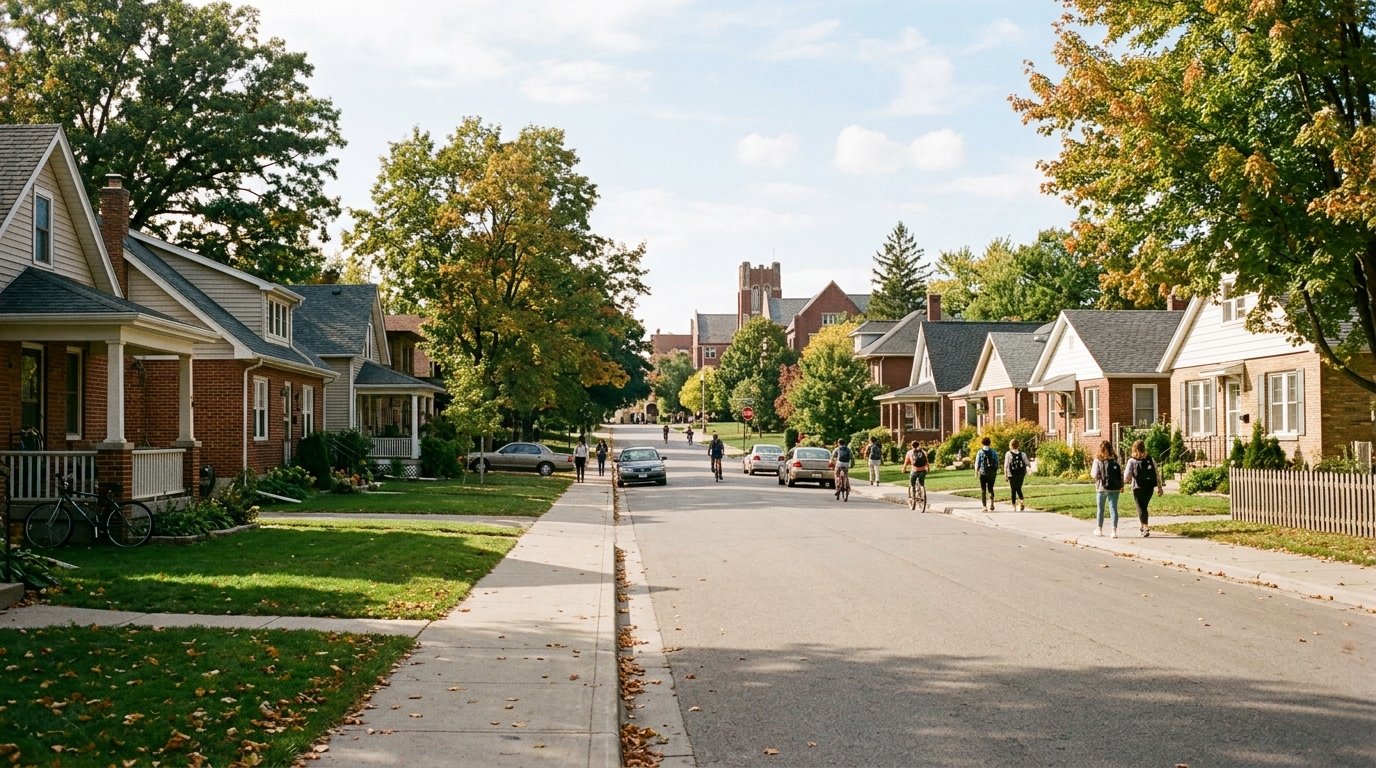
Understanding what actually drives demand for investment properties near the University of Florida helps investors make smarter decisions instead of just buying whatever happens to be listed closest to campus that week.
Enrollment numbers matter more than almost anything else here, and they’ve stayed strong, continuing to support consistent demand for investment properties near the University of Florida even as some other college towns nationally have seen dips. Proximity to campus also plays a bigger role than people expect. A property within walking distance or a short bus ride commands a real rent premium over something a fifteen-minute drive away, even if the homes themselves look nearly identical.
There’s also a layer a lot of first-time investors overlook. Graduate students and faculty tend to want longer-term leases compared to the typical undergraduate turnover, which can mean steadier income and less turnover cost if you target that tenant pool specifically. And Gainesville’s growing healthcare and research sector has added a whole additional layer of renters who have nothing to do with the university calendar at all, which helps smooth out some of the seasonal swings.
Property Types That Perform Well
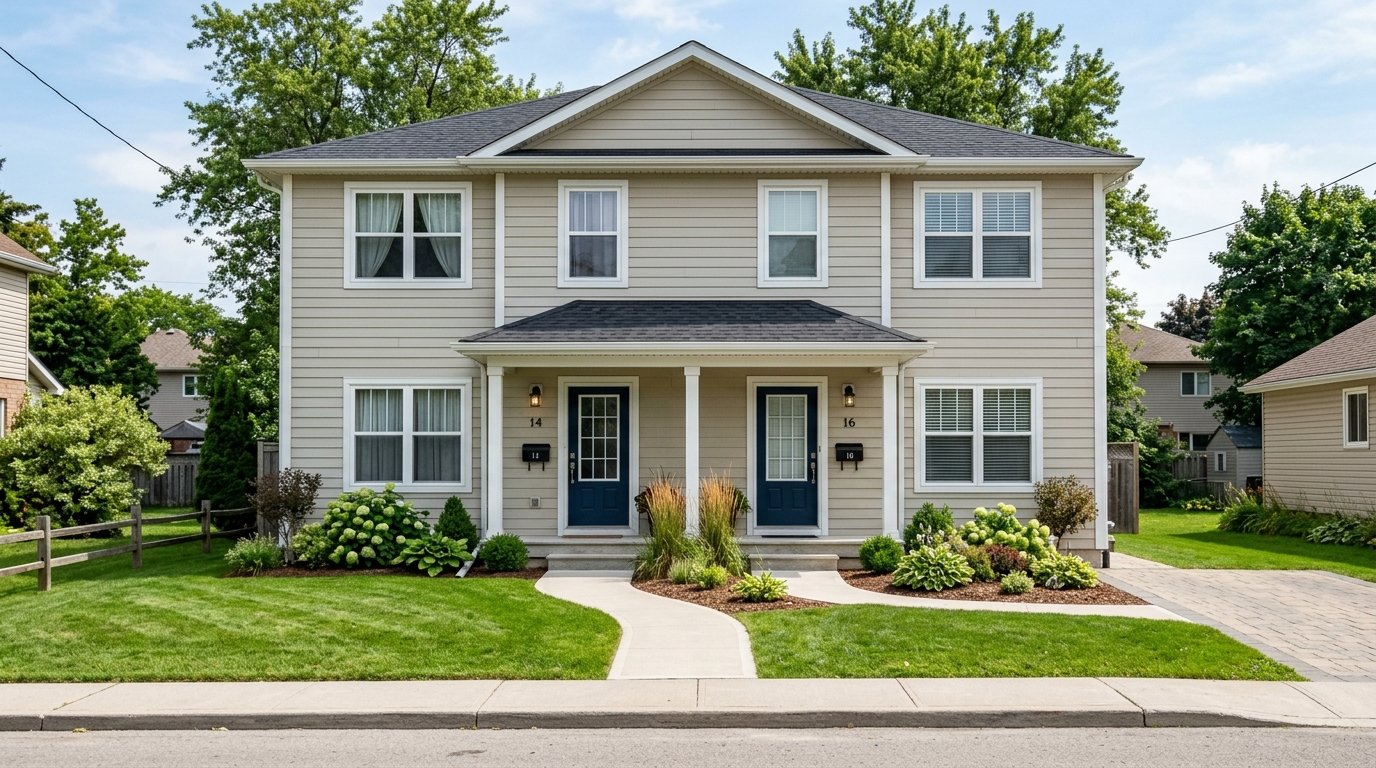
Not every property type performs the same way among investment properties near the University of Florida, and picking the right one really depends on what kind of landlord you want to be.
Single-Family Rentals
Single-family homes near campus tend to attract graduate students, young professionals, and small groups of undergrads splitting rent together. In my experience, these often provide more stable, longer-term tenancy than smaller apartment-style units, and they’re usually easier to maintain since you’re dealing with one lease instead of several.
Small Multi-Family Properties
Duplexes and small multi-family buildings show up a lot among serious investment properties near the University of Florida, since they let an investor spread risk across multiple units while still managing everything as a single property. If one unit sits empty for a few weeks, you’re not losing your entire income stream.
Condos and Townhomes
These tend to appeal more to graduate students and faculty who want lower maintenance responsibility on their end. Just be careful here, since HOA fees need to be factored honestly into your return calculations, and some HOAs restrict rentals more than investors expect going in.
What to Check Before Buying

I run every rental investor through the same basic checklist before they commit to investment properties near the University of Florida, and skipping any of these steps is genuinely how good-looking deals turn into disappointing ones.
Run actual rental comparables in the specific neighborhood you’re considering, not just Alachua County averages, since pricing swings significantly block to block depending on distance from campus. Confirm local rental licensing and inspection requirements, because Gainesville has its own specific rules around rental properties that catch out-of-state investors off guard more often than you’d think. Factor in seasonal vacancy honestly, since summer months near campus often see lower occupancy compared to the academic year, and a projection that assumes full occupancy twelve months a year is usually wrong. Check the property’s condition against realistic student-tenant wear and tear, not just a general home inspection standard. And if you’re buying a condo, review HOA restrictions closely, since some communities restrict rentals or short-term leasing entirely, which can quietly kill your whole plan.
Comparing Alachua County to Other Northeast Florida Investment Markets
Investment properties near the University of Florida offer something genuinely different from the broader Northeast Florida investment landscape, mostly because most other markets in the region don’t have a guaranteed annual renter pool the way a university town does. For a broader look at investment opportunities across the region, our guide to investment property in North Florida covers markets outside Alachua County as well, which is worth a look if you’re weighing multiple areas against each other before committing.
Best Neighborhoods to Start Your Search
If you’re new to investment properties near the University of Florida, it helps to start with neighborhoods that already have an established rental history rather than guessing blind. Our guide to the best neighborhoods in Alachua County FL breaks down specific areas by buyer type, and it’s a useful starting point before you narrow your search down to rental-specific criteria like proximity to campus or bus routes.
Conclusion
Investment properties near the University of Florida offer one of the more dependable rental markets in the state, built on steady enrollment, consistent tenant turnover, and a growing healthcare and research sector layered on top of the traditional student rental base. Running real numbers on rental comparables, licensing requirements, and seasonal vacancy before you buy is what separates a genuinely solid investment from an overpriced one that looks good on paper. If you’re ready to start looking, go ahead and browse Alachua County FL homes for sale, or get a free home valuation if you already own a property nearby and are weighing your options.