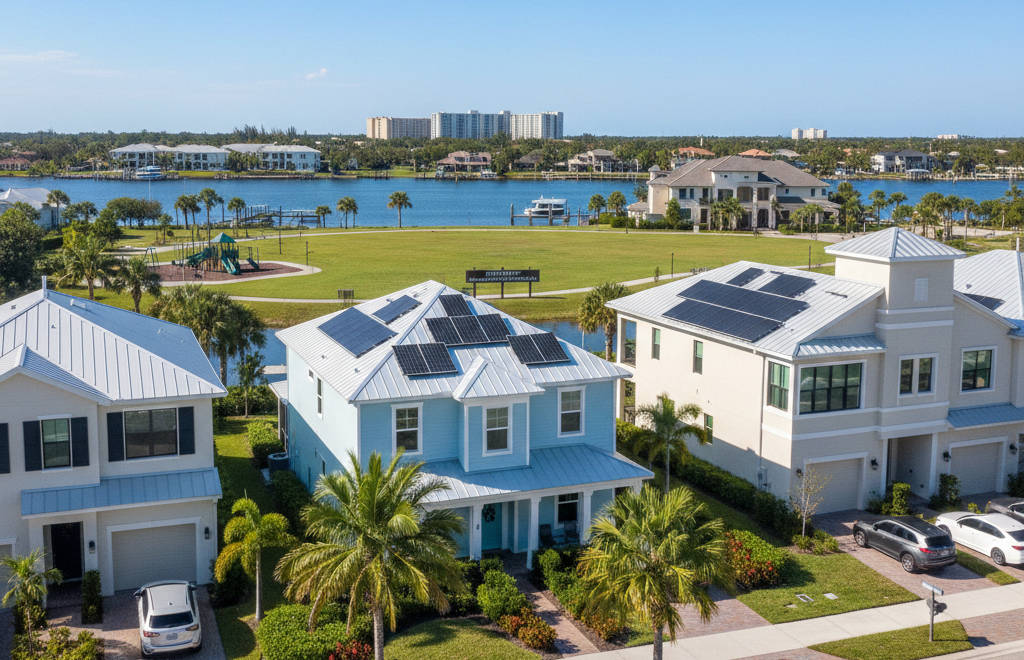


A client of mine spotted a foreclosure listed $40,000 under everything else on the block and called me practically breathless about it. I get it, that kind of number is exciting. But that low price comes attached to a different process than a regular home purchase, and she didn’t know that yet. Before you get too attached to the idea yourself, it helps to actually understand how to buy a foreclosure home in Florida the right way, so you’re not caught off guard halfway through the deal like she almost was.
This guide walks through what foreclosure really means in Florida, the step-by-step process from pre-approval to closing, why inspections matter more here than almost anywhere else, and the risks worth weighing before you commit to anything. If you’re trying to figure out how to buy a foreclosure home in Florida without getting burned, this is what you actually need to know going in.
What Foreclosure Means in Florida
Not all foreclosures are the same, and honestly, knowing the difference changes how you approach the entire purchase.
Pre-foreclosure happens when a homeowner has missed payments but the bank hasn’t taken the home back yet. These sometimes turn into short sales, where the lender agrees to accept less than the mortgage balance just to avoid dragging out a lengthy foreclosure process.
Auction sales happen after the foreclosure is finalized, usually at a courthouse sale. These are almost always cash-only, sold with no inspection period at all, and they carry the highest risk of the three by a wide margin.
REO properties, meaning real estate owned, are homes the bank took back after an unsuccessful auction. These are typically listed with a real estate agent just like any other home, which makes the buying process far more familiar and manageable than jumping into an auction cold.
Figuring out which category a listing actually falls into is the first real step in learning how to buy a foreclosure home in Florida, since the process and paperwork differ quite a bit between the three.
Step-by-Step Process
Get Pre-Approved. Start with a mortgage pre-approval before you go looking, not after you’ve already found something you love. REO listings can move fast, and sellers, which in this case means banks, want proof of financing before they’ll take an offer seriously. Pre-approval also gives you a real number to shop with, which matters since foreclosures often need repair money stacked on top of the sale price.
Find Listings. Foreclosure listings aren’t always easy to spot on the main search sites, and some get handled through specific bank asset managers instead of a typical MLS listing. You can search current listings, including bank-owned properties, to see what’s actually on the market right now across Northeast Florida.
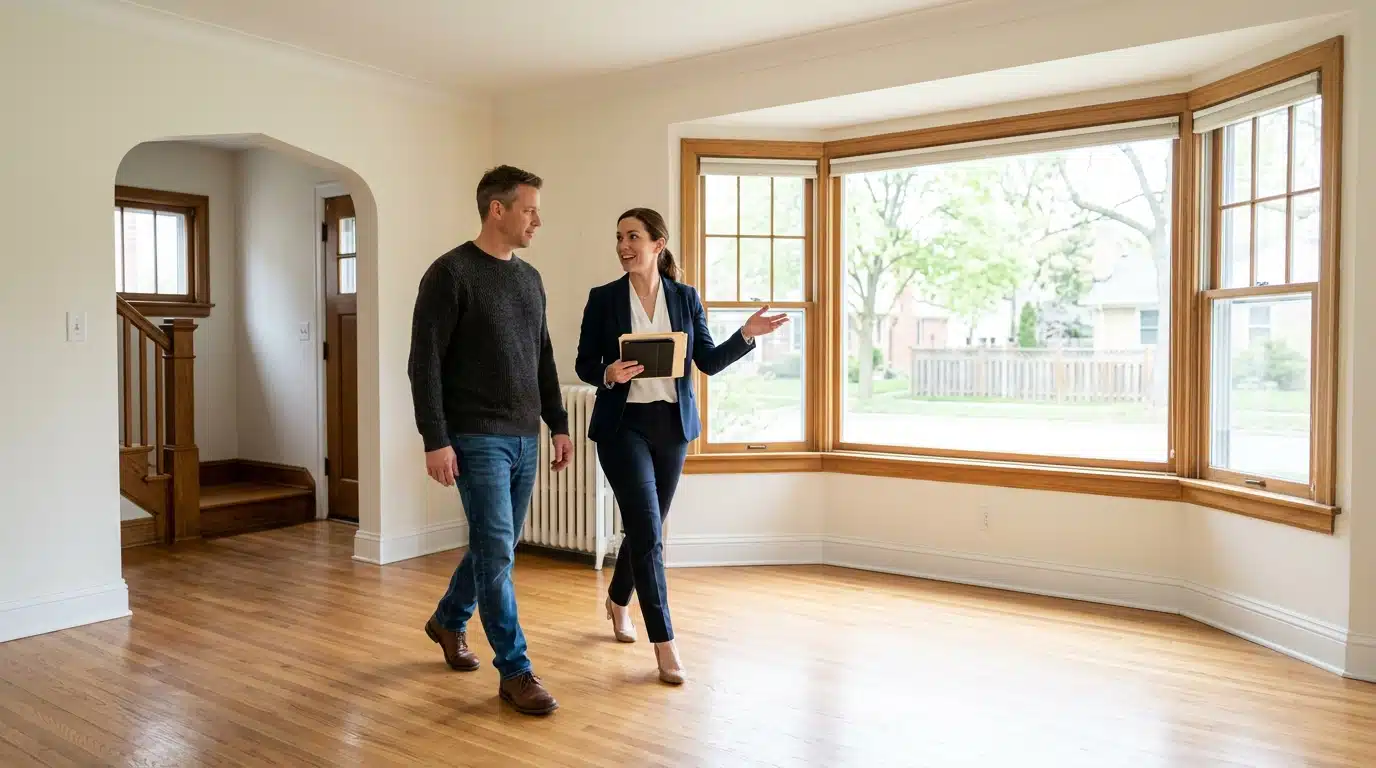
Understand “As-Is” Contracts. Foreclosure sales are sold as-is almost every single time, meaning the bank won’t make repairs or credit you for issues found during inspection. You can still negotiate on price based on what turns up, but don’t expect the seller to fix anything before closing. This is one of the biggest adjustments for buyers who are new to how to buy a foreclosure home in Florida, and honestly, the one that trips people up most.
Close. Closing usually takes longer on a foreclosure than a standard sale, often 30 to 60 days, because banks move slower and there’s typically extra paperwork needed to clear title cleanly.
Inspecting an As-Is Property
Inspections matter more with foreclosures than with almost any other type of purchase, and I mean that. Vacant homes can sit empty for months, sometimes longer, without running water or working HVAC, which means problems like mold, plumbing failures, and pest damage often go completely unnoticed until an inspector finally finds them.
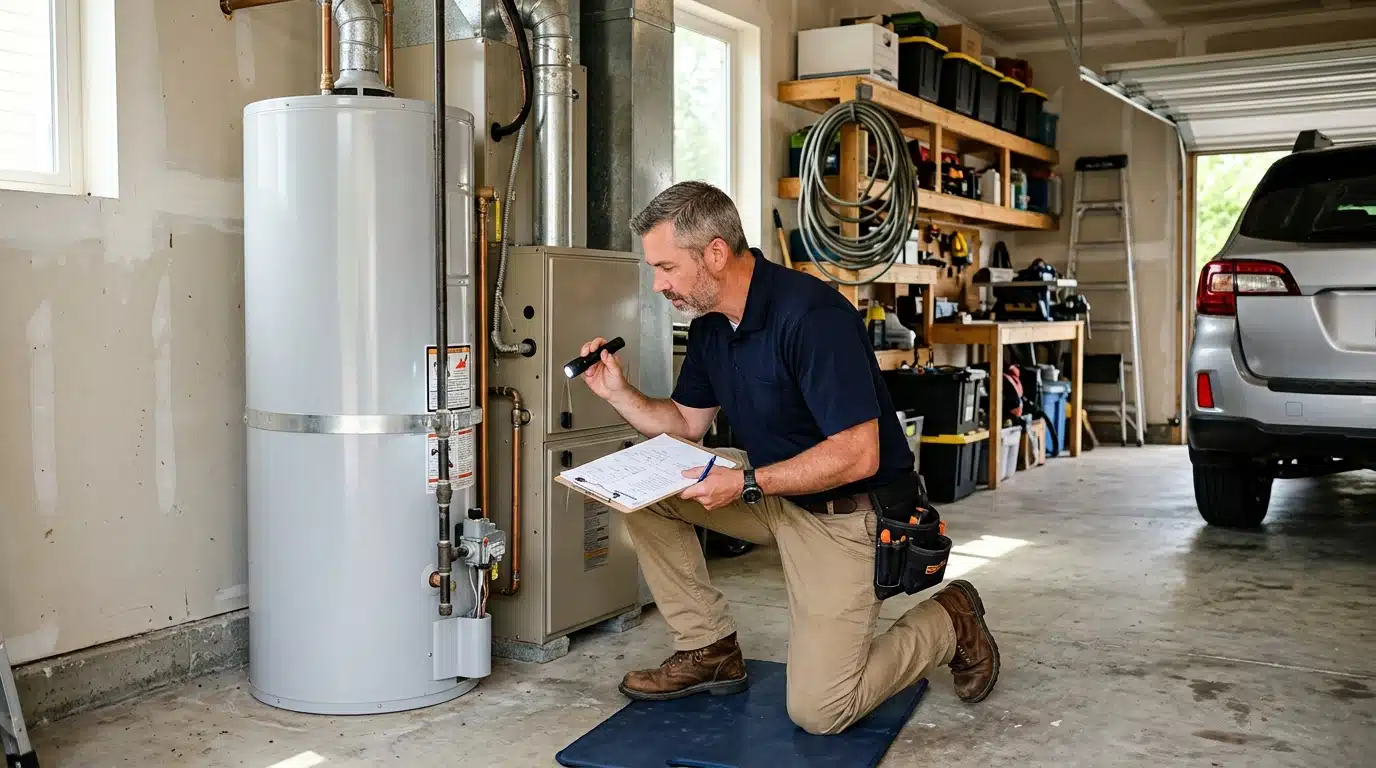
Before making an offer, walk through what a thorough inspection should actually cover: roof condition, HVAC system age, plumbing and electrical function, and any signs of water intrusion. It’s worth budgeting for a specialist inspection on older systems specifically, since a general home inspection sometimes misses issues that only show up under closer, more targeted review.
Risks Buyers Should Know
Hidden repair costs come up constantly. Vacant properties deteriorate faster than occupied ones, and what looks like a great deal on paper can quietly turn into a much bigger renovation project once you’re actually inside.
Liens and title issues are another real concern. Unpaid taxes or contractor liens sometimes attach to foreclosed properties, which is exactly why title insurance isn’t optional on these deals.
Deferred maintenance is almost a given. Years of neglect before foreclosure often means systems that are technically still working, but just barely, and closer to failure than they let on.
Slower timelines can wear on you too. Banks don’t move with the same urgency as an individual seller who wants to close and move on, which can be genuinely frustrating if you’re on a tight schedule yourself.
Investor competition is the last big one. Cash buyers and investors often go after the same foreclosure listings you’re looking at, and they can close faster, which puts financed buyers at a real disadvantage in a bidding situation.
Knowing these risks upfront doesn’t mean you should avoid foreclosures altogether. It just means going in with realistic expectations about what you’re actually taking on.
Is a Foreclosure Right for You?
Foreclosures tend to work best for buyers who have flexibility on move-in timeline, access to repair funds beyond the purchase price, and patience for a slower closing process. They work a lot less well for buyers who need to move quickly or don’t have room in the budget for surprises along the way.
If you’re weighing whether this path actually fits your situation, it helps to work with an agent who’s closed foreclosure purchases before rather than navigating something like this alone for the first time.
Final Thoughts
Learning how to buy a foreclosure home in Florida really comes down to understanding the type of foreclosure you’re looking at, following the process carefully, and budgeting honestly for repairs. Done right, it can be one of the better ways to get into a home below market value. If you’re also planning to sell your current place before buying, get a valuation first so you actually know your full budget before you start making offers.