

Your rent keeps climbing. Every year. Higher and higher.
You’re not alone. Rent prices in Florida are rising across the state. Miami expensive. Tampa costly. Even smaller cities increasing.
So what’s normal? What should you expect to pay? What’s the average rent in Florida 2026?
Let me give you real numbers. Actual data. Honest answers.
Understanding costs helps you budget. Plan moves. Make smart decisions.
Here’s everything you need to know.
Average Rent in Florida in 2026
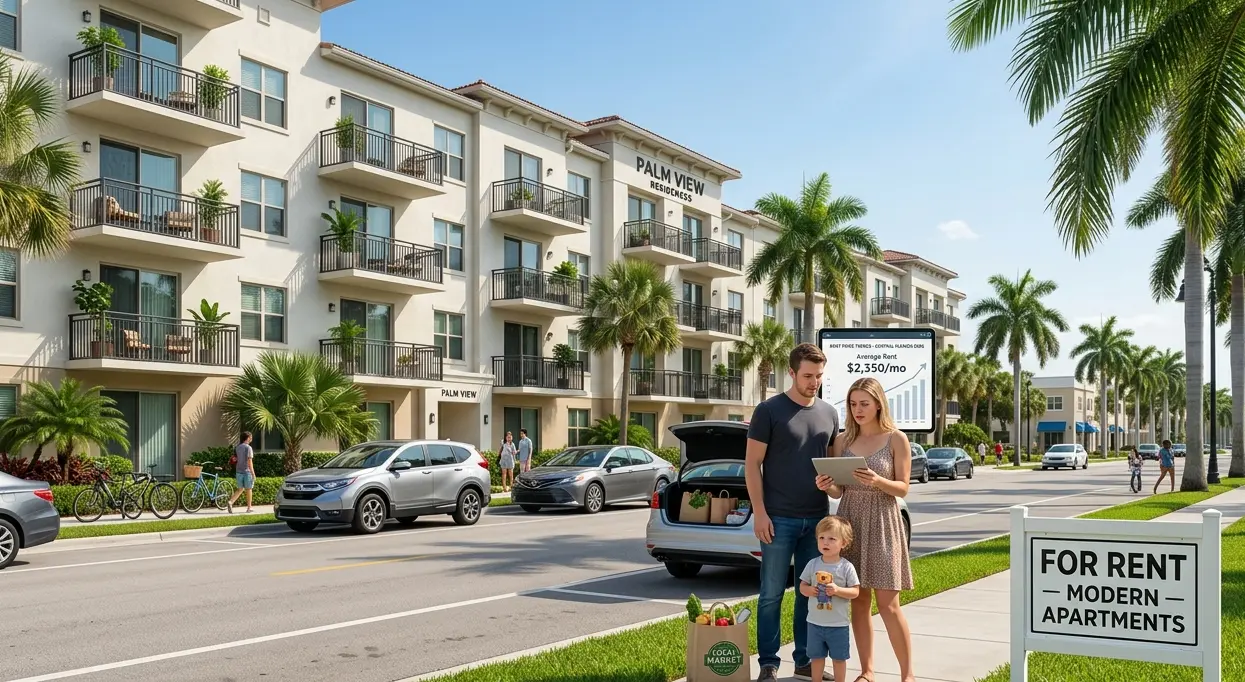
The average rent in Florida 2026 sits around $1,800 to $2,000 monthly. Statewide average. All cities combined.
But averages mislead. Miami skews high. Small towns pull low. Your actual cost depends on location.
One-bedroom apartments average $1,400 to $1,800. Two-bedroom units $1,800 to $2,400. Three-bedroom homes $2,200 to $3,000.
These numbers increased 5% to 8% from 2025. Continuing upward trend. No signs of stopping.
The Florida rental market stays hot. Demand high. Supply limited. Prices keep rising.
Compared to national averages? Florida runs higher. About 15% to 20% above US median rent.
Why? People keep moving here. Jobs growing. Population increasing. Housing demand outpacing supply.
Landlords capitalize. Raising rents. Testing limits. Maximizing profits.
Tenants squeeze budgets. Cut expenses. Move farther out. Or consider buying instead.
If you’re comparing renting vs ownership, the detailed guide on rent vs buy in Florida will help you make the right decision based on current market conditions.
Rent Prices by City in Florida
Costs vary wildly across Florida. Location determines everything. Here’s the breakdown.
Miami: Most Expensive
Miami leads Florida rent prices. Average one-bedroom $2,400 to $3,200. Two-bedroom $3,000 to $4,500.
Downtown even higher. Brickell area $3,500+. South Beach $4,000+. Premium locations.
Miami Beach expensive too. Ocean access costs. Tourist areas pricey. Year-round high.
Suburbs slightly cheaper. Kendall. Doral. Homestead. Still expensive. Just less extreme.
The cost of living in Miami Florida reflects not just housing but all expenses in this high-demand urban market.
Demand drives Miami prices. Jobs abundant. Culture rich. International appeal. People pay premium.
Tampa: High but Lower Than Miami
Tampa averages $1,600 to $2,200 for one-bedroom. Two-bedroom $2,000 to $2,800.
Downtown Tampa higher. Channelside. Water Street. Premium areas. $2,500+ common.
Suburbs more reasonable. Brandon. Lutz. Temple Terrace. $1,400 to $1,800.
Tampa growing fast. Tech companies arriving. Remote workers relocating. Demand increasing.
Orlando: Tourist Town Pricing
Orlando averages $1,500 to $2,000 one-bedroom. Two-bedroom $1,900 to $2,600.
Near theme parks higher. Tourist areas expensive. Convenience costs.
College areas fluctuate. UCF vicinity. Student demand. Seasonal pricing.
Suburbs offer savings. Kissimmee. Apopka. Winter Garden. Lower costs. Longer commutes.
Jacksonville: More Affordable
Jacksonville averages $1,200 to $1,600 one-bedroom. Two-bedroom $1,500 to $2,100.
More affordable than South Florida. Still rising though. Growing city.
Beach areas higher. Atlantic Beach. Neptune Beach. Ocean premium.
Westside and Northside cheapest. $1,000 to $1,400. Budget-friendly options.
Fort Lauderdale: Premium Coastal
Fort Lauderdale $2,000 to $2,800 one-bedroom. Two-bedroom $2,500 to $3,500.
Beach proximity expensive. Las Olas area. Downtown. Tourist zones.
Inland areas cheaper. Plantation. Sunrise. Davie. Still not cheap though.
St. Petersburg: Rising Market
St. Pete $1,400 to $2,000 one-bedroom. Two-bedroom $1,800 to $2,600.
Downtown gentrifying. Prices climbing. Becoming trendy. Arts scene growing.
Beach communities higher. Treasure Island. Madeira Beach. Water views cost.
Smaller Cities: Budget Options
Gainesville $1,100 to $1,500. College town. Student housing. Rental market strong.
Tallahassee $1,000 to $1,400. State capital. Government jobs. Reasonable costs.
Pensacola $1,100 to $1,500. Panhandle location. Military presence. Decent affordability.
Lakeland $1,200 to $1,600. Central Florida. Growing. Still affordable.
Factors That Affect Rent in Florida
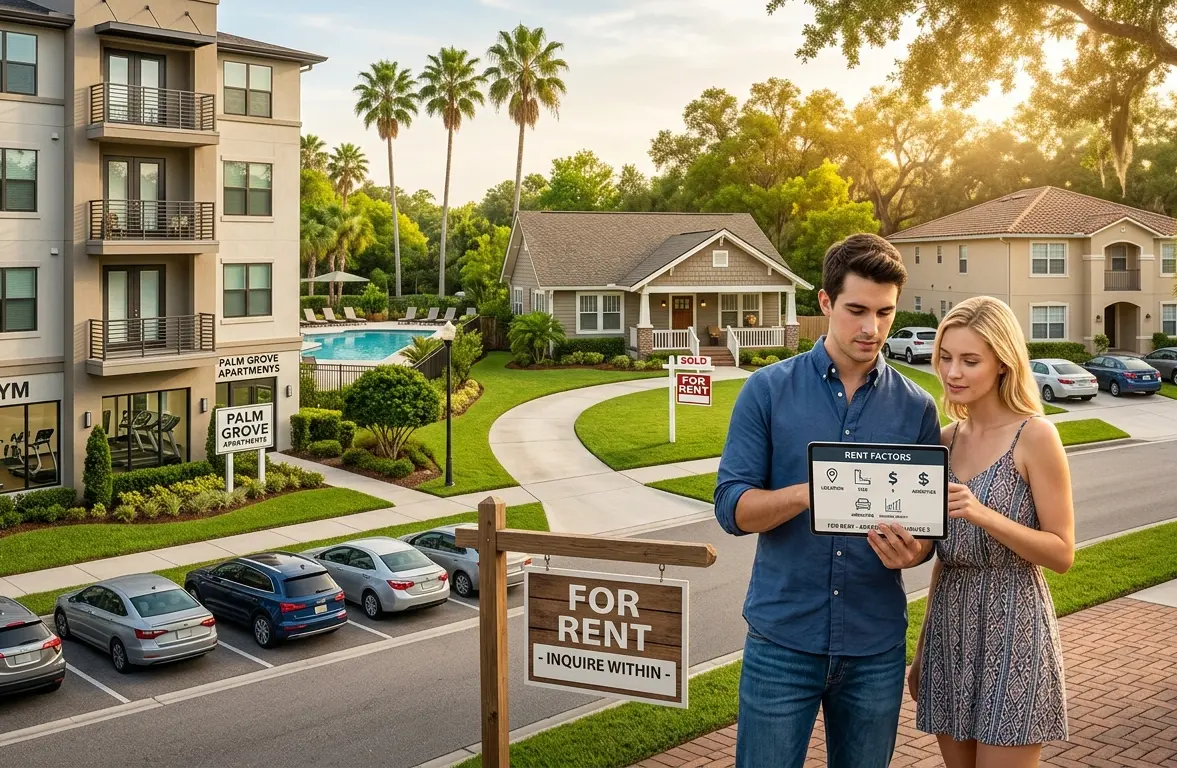
Multiple factors drive the average rent in Florida. Understanding them helps.
Location dominates. Urban areas expensive. Coastal premium. Rural affordable. Distance from jobs matters.
Property type affects costs. Luxury apartments highest. Basic units cheaper. Houses vary widely.
Amenities influence pricing. Pool. Gym. Parking. Included utilities. Each adds cost.
Square footage obviously. Bigger costs more. More bedrooms higher. Studio cheapest.
Building age matters. New construction premium. Older buildings cheaper. Renovation status counts.
Lease terms affect rates. Short-term higher. Long-term often discounted. Month-to-month expensive.
Season impacts some areas. Tourist zones fluctuate. Snowbird season higher. Summer sometimes lower.
Housing demand drives everything. More seekers than units? Prices rise. Supply exceeds demand? Prices stable.
Economic conditions matter. Job growth increases demand. Recession decreases. Interest rates affect buying. More buyers means fewer renters.
According to US Census Bureau data, Florida’s population growth continues driving housing demand across the state.
Is Rent Increasing in Florida?
Yes. Rent increasing significantly. The cost of renting in Florida climbing yearly.
2020 to 2026 saw 30% to 50% increases. Some areas more. Rapid acceleration.
Why the increases? Multiple reasons compound.
Population growth continues. Over 300,000 people moving to Florida yearly. All need housing.
Remote work changed markets. People earning California salaries. Paying Florida rents. Pushing prices up.
Limited new construction. Not enough apartments built. Supply can’t match demand. Shortage persists.
Landlord costs rising. Property taxes up. Insurance skyrocketing. Maintenance expensive. Costs passed to tenants.
Investment buying increased. Corporate landlords. Out-of-state investors. Maximizing returns. Less concerned about locals.
Will it continue? Likely yes. Until supply catches demand. Or economic downturn. Neither imminent.
Experts predict 3% to 6% annual increases. Next few years. Slowing from recent pace. But still rising.
Median rent keeps climbing. $1,600 became $1,800. Now $2,000. Headed toward $2,200.
Tenants feel squeeze. Budgets strained. Second jobs common. Moving farther out. Considering roommates.
Cheapest Places to Rent in Florida
Budget-conscious? These areas offer the lowest average rent in Florida.
Lake City averages $900 to $1,200. North Florida. Very affordable. Limited amenities though.
Palatka runs $1,000 to $1,400. Small town. River access. Budget-friendly.
The cost of living in Palatka Florida makes it one of North Florida’s most affordable options for renters seeking small-town atmosphere.
Ocala averages $1,100 to $1,500. Horse country. Central location. Reasonable prices.
Leesburg $1,000 to $1,400. Lake County. Growing slowly. Still affordable.
Port Charlotte $1,100 to $1,500. Gulf Coast. Retiree area. Decent pricing.
Cape Coral $1,200 to $1,600. Southwest Florida. Growing. More affordable than Fort Myers.
Palm Bay $1,200 to $1,700. Space Coast. Less expensive than Melbourne. Beach accessible.
These areas trade amenities for affordability. Fewer jobs. Less entertainment. Longer commutes. But budgets stretch.
Renting vs Buying in Florida: Quick Insight
Facing high rent? Consider buying. The average rent in Florida 2026 makes ownership competitive.
Monthly rent $2,000? That’s $24,000 yearly. Building zero equity. Money disappearing.
Mortgage payment similar amount? Building equity. Owning asset. Wealth accumulating.
Breaking even happens around 3 to 5 years. Buying makes financial sense after that.
Down payment required though. Closing costs significant. Maintenance your responsibility.
But long-term? Ownership wins financially. Usually. Not always. But typically.
Interest rates matter. Higher rates mean higher payments. Shop carefully. Compare options.
Understanding both sides helps decisions. Rent flexibility. Buy investment. Choose wisely.
Tips to Save Money on Rent
Rent crushing your budget? These tips help reduce costs.
Negotiate always. Ask for lower rent. Especially renewals. Some landlords negotiate. Worth trying.
Choose location carefully. Farther from downtown? Cheaper rent. Longer commute. Trade-offs exist.
Consider roommates. Split costs. Afford better places. Or save money. Either works.
Sign long-term leases. 18 months or 24 months. Often get discounts. Guaranteed rate.
Look in off-season. Summer often better deals. Tourist areas especially. Timing matters.
Skip amenities. Pool costs money. Gym adds fees. Parking charges. Need them? Or nice-to-have?
Smaller units save. Studio instead of one-bedroom. One-bedroom instead of two. Downsize saves.
Utilities included? Saves money. Factor total costs. Not just base rent.
Older buildings cheaper. Less trendy areas. Not luxury. But functional. Budget-friendly.
Pay on time. Avoid late fees. Build good relationship. Future negotiations easier.
Research thoroughly. Compare options. Visit multiple places. Negotiate from knowledge.
Understanding the Florida Rental Market
The Florida rental market operates uniquely. Several factors create current conditions.
High demand persists. People want Florida. Weather. Taxes. Lifestyle. Jobs. Drawing residents.
Limited supply creates competition. Not enough units. Especially affordable ones. Shortage continues.
Investment properties increase. Corporations buying. Managing portfolios. Maximizing profits. Less flexibility.
Short-term rentals compete. Airbnb. VRBO. Removing long-term inventory. Tourist dollars tempting.
Seasonal fluctuations exist. Snowbird season higher. Summer sometimes lower. Tourist areas especially.
Lease agreements getting stricter. More rules. Higher deposits. Background checks intensive.
Landlords selective. Good credit required. Income verification strict. References checked.
Eviction moratoriums ended. Landlords more cautious now. Screening thoroughly. Protecting investments.
Market favors landlords. High demand. Low supply. They control terms. Tenants less leverage.
Understanding dynamics helps navigation. Better negotiations. Smarter decisions. Realistic expectations.
Urban vs Suburban Rent in Florida
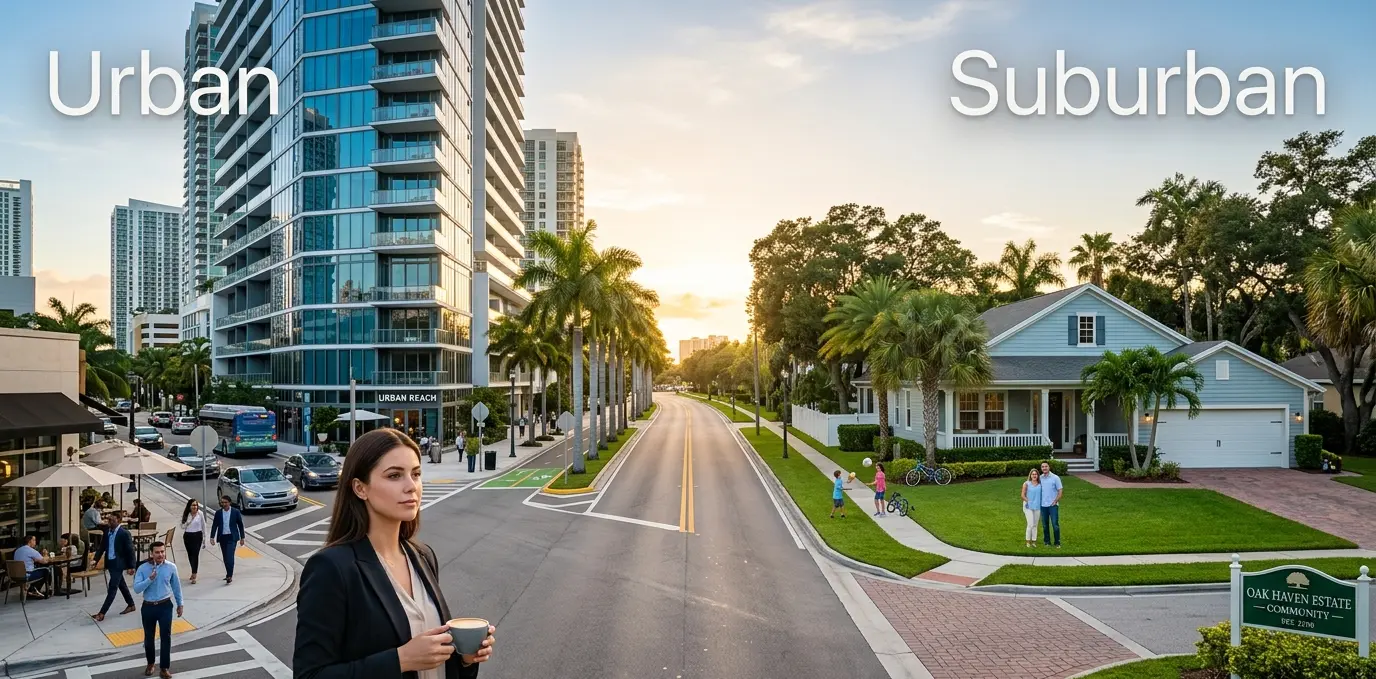
Location type dramatically affects the average rent in Florida. Compare carefully.
Urban areas command premium. Downtown locations. Near jobs. Entertainment. Nightlife. Restaurants. Walking distance amenities.
Miami downtown $3,000+. Tampa downtown $2,200+. Orlando downtown $2,000+. Premium pricing.
Suburban areas cheaper. Residential neighborhoods. Quieter. Family-oriented. Car-dependent.
Miami suburbs $1,800 to $2,500. Tampa suburbs $1,400 to $1,900. Orlando suburbs $1,300 to $1,700.
Trade-offs exist. Urban = convenience. Suburban = space and affordability.
Families often choose suburbs. Schools. Yards. Safety. Lower costs.
Young professionals prefer urban. Social scene. Short commutes. Lifestyle priorities.
Remote workers flexible. Can choose suburbs. Save money. Bigger spaces. Home offices.
Your lifestyle determines best fit. Priorities matter. Budget constraints. Work location.
Apartment Rent vs House Rent
Property type affects rent prices in Florida significantly.
Apartments generally cheaper. Shared walls. Less space. Amenities sometimes. Maintenance included.
One-bedroom apartment $1,400 to $2,000. Two-bedroom $1,800 to $2,500. Statewide averages.
Houses cost more. Private. Yards. More space. More responsibility.
Small house $2,000 to $3,000. Larger homes $3,000 to $5,000+. Depends on location and size.
Townhouses middle ground. Attached housing. Some yard. Shared walls. $1,800 to $2,800.
Condos vary widely. Luxury condos expensive. Basic units reasonable. HOA fees sometimes separate.
Your needs determine best option. Kids? House better. Single? Apartment works. Budget matters most.
Make Smart Rental Decisions in Florida
The average rent in Florida 2026 challenges budgets. Rising costs. Limited options. Competitive markets.
But understanding helps. Know the averages. Research your area. Compare options carefully.
Miami expensive. Small towns affordable. Suburbs middle ground. Your choice affects monthly budget significantly.
Consider all factors. Location. Property type. Amenities. Lease terms. Total costs.
Negotiate when possible. Research thoroughly. Visit multiple places. Make informed decisions.
Long-term? Consider buying. Rent builds nothing. Ownership builds equity. Run the numbers.
Short-term? Find best rental value. Budget carefully. Save where possible.
The Florida rental market tough. But navigable. With knowledge. With planning. With smart choices.
Your perfect rental exists. At a price you can manage. In a location you’ll love.
Take time. Do research. Compare options. Make it happen.
Good luck with your Florida housing search.