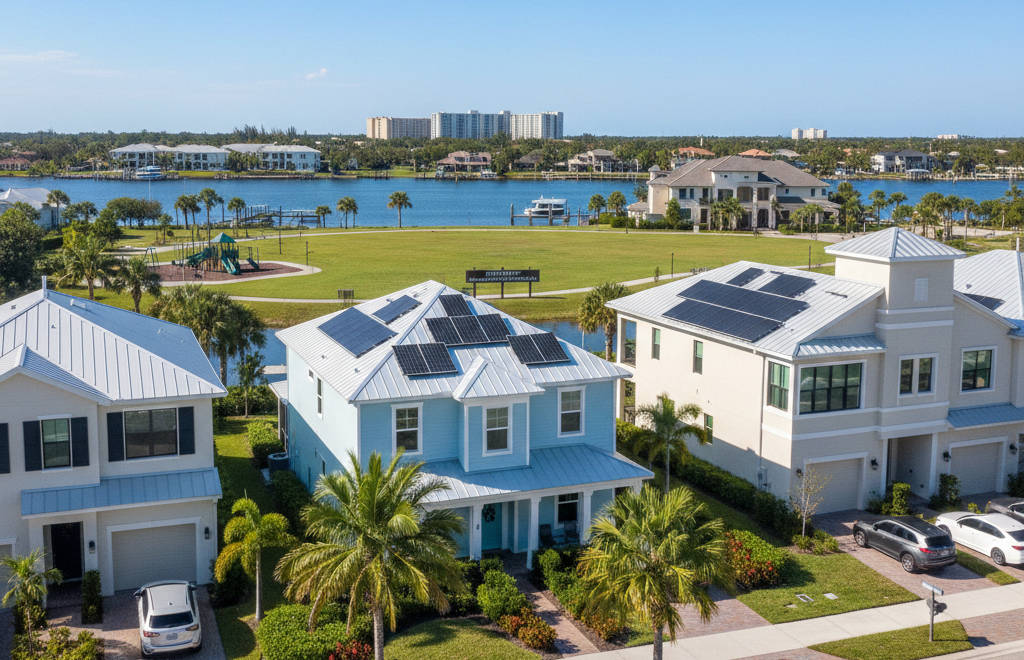


If you’re trying to buy or sell a home in Florida right now, you’ve probably heard people throw around the terms buyer’s market and seller’s market like everyone already knows what they mean. Here’s the honest truth: most homeowners don’t, and that gap in understanding costs them money. Knowing the difference between a buyer’s market vs seller’s market isn’t just real estate trivia. It changes how you price a listing, how you write an offer, and how much room you have to negotiate.
In Northeast Florida, the answer isn’t the same everywhere. Putnam County looks different from St. Johns County, and Clay County sits somewhere in between. This guide breaks down what a buyer’s market vs seller’s market actually looks like using real local numbers, not national headlines, so you know exactly where you stand before you make your next move.
What Is a Buyer’s Market?
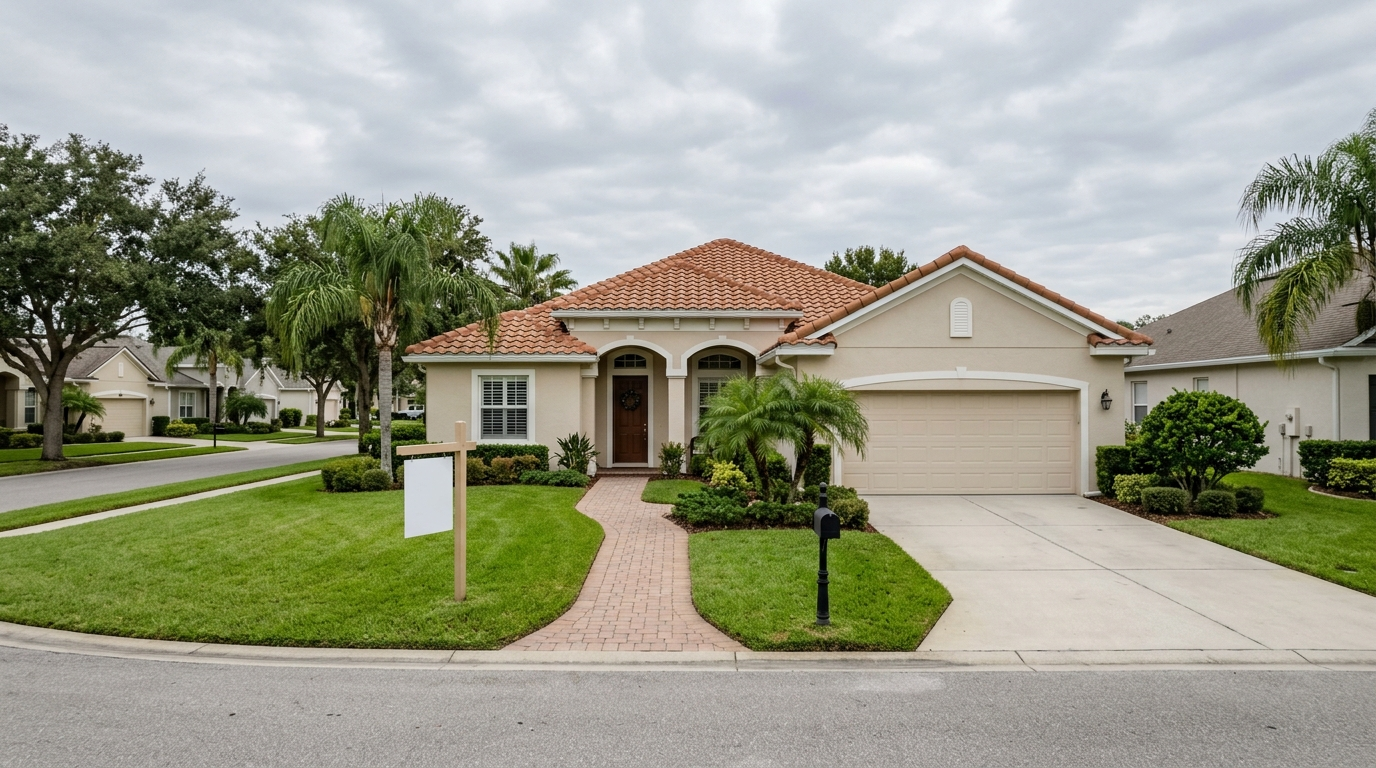
A buyer’s market happens when there are more homes for sale than there are people ready to buy them. Sellers have to compete for attention, which usually means:
- Homes sit on the market longer
- Prices soften or stay flat
- Buyers can negotiate on price, repairs, or closing costs
- Sellers may offer concessions just to get a contract signed
In a true buyer’s market, patience pays off. If you’re house hunting, you have breathing room to think, compare, and negotiate instead of rushing into a bidding war.
What Is a Seller’s Market?
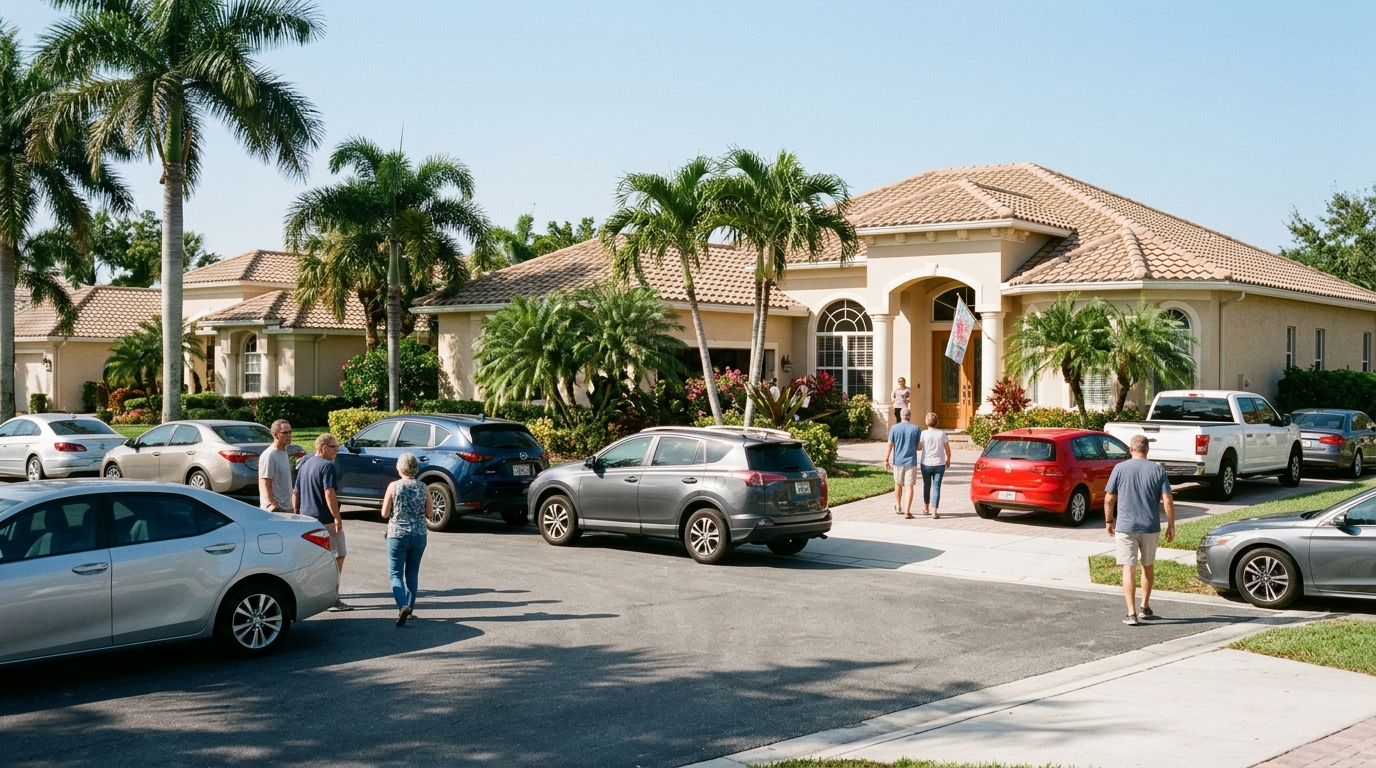
A seller’s market flips the script. Demand outpaces supply, so buyers are the ones competing. Common signs include:
- Homes selling in days, not months
- Multiple offers on desirable listings
- Prices trending upward
- Buyers waiving contingencies just to compete
If you’re selling in a seller’s market, you’re usually in the driver’s seat on price and terms. If you’re buying in one, you need to move fast and come prepared.
Buyer’s Market vs Seller’s Market: The Numbers That Actually Tell You
The buyer’s market vs seller’s market question comes down to three data points economists and agents watch closely:
Months of Supply
This measures how long it would take to sell every home currently listed at the current sales pace. Under 4 months typically signals a seller’s market. Over 6 months usually points to a buyer’s market. Anything in between is considered balanced.
Days on Market
The longer homes sit before going under contract, the more the balance tips toward buyers.
Price Trends
Rising prices with quick sales point to a seller’s market. Flat or dropping prices alongside price cuts point to a buyer’s market.
Where Northeast Florida Stands Right Now
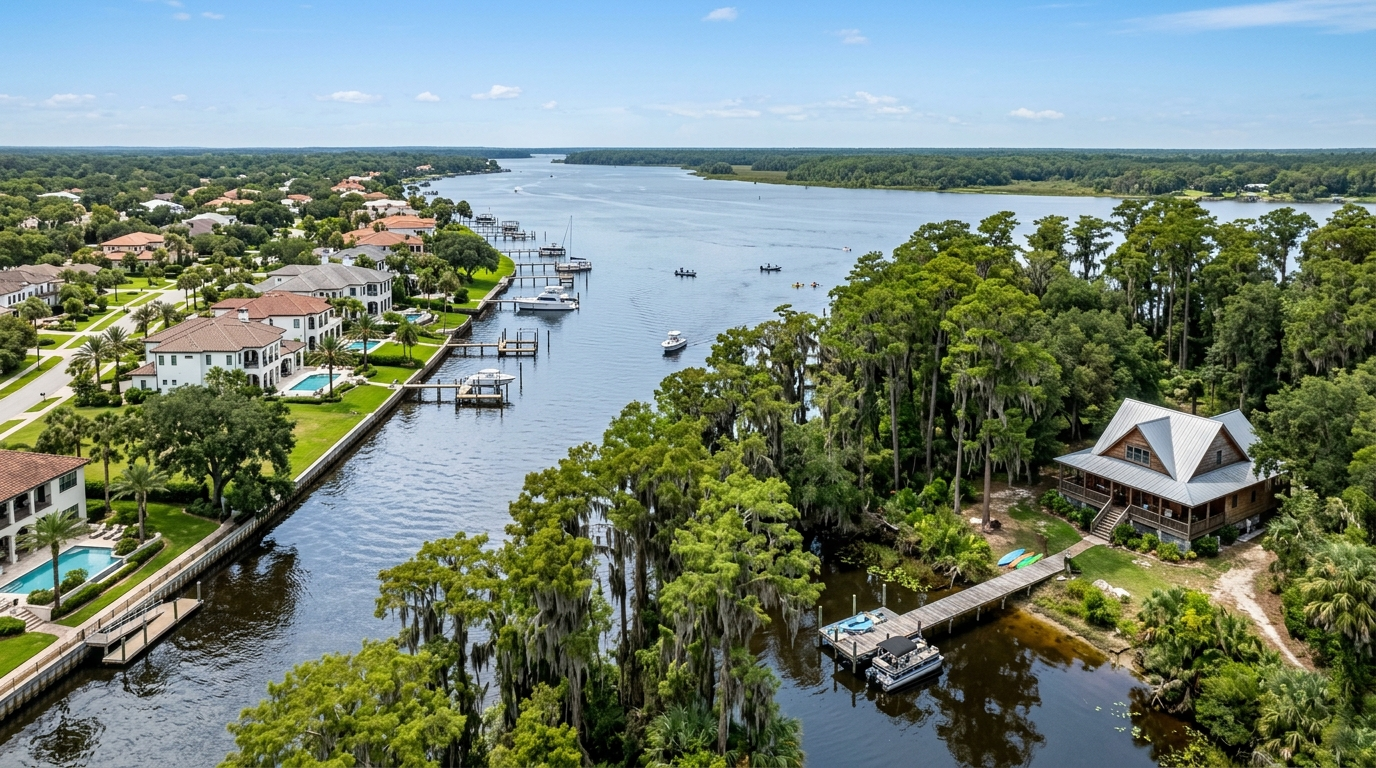
Here’s what these buyer’s market vs seller’s market indicators look like across the three counties Kassidy works in most.
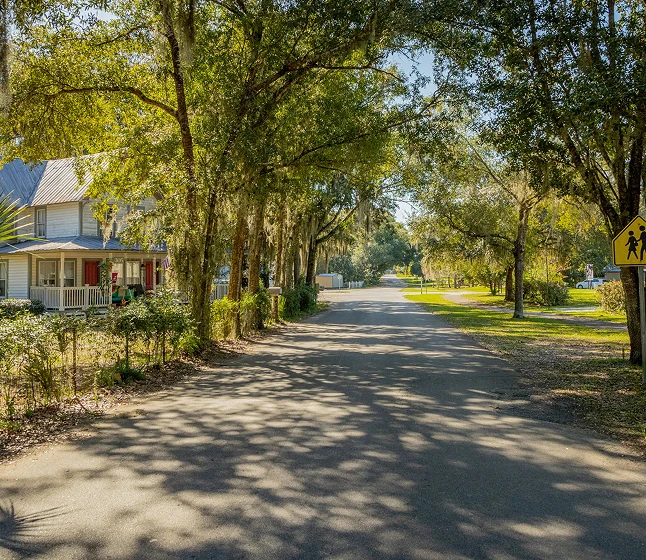
Putnam County
Putnam County has shifted noticeably toward buyers over the past year. Inventory has grown, giving buyers more room to negotiate than they’ve had since 2020. Median single-family prices typically run between $150,000 and $280,000 depending on condition and waterfront access. If you’re a buyer, this is one of the more forgiving corners of the state right now. You can browse Putnam County homes for sale and see that firsthand.
St. Johns County
St. Johns County still leans seller-friendly, though it’s cooled from its peak. Strong schools, coastal access, and steady demand keep median prices between $380,000 and $600,000+. Well-priced homes are still moving quickly. If you want a current snapshot, you can see current listings in St. Johns County before deciding your strategy.
Clay County
Clay County sits closer to balanced. It’s more affordable than St. Johns County but still draws steady demand from Jacksonville commuters, which keeps it from tipping fully toward buyers.
A Simple Framework to Know Which Market You’re In
You don’t need a real estate license to figure out the buyer’s market vs seller’s market question for your specific area. Ask these three questions:
- Are homes like mine selling in under 30 days, or sitting for 60+?
- Are sellers cutting prices, or getting multiple offers?
- Is inventory rising or shrinking month over month?
If most answers point to fast sales and rising prices, you’re in a seller’s market. If they point to longer timelines and price flexibility, you’re in a buyer’s market. Most of Northeast Florida sits somewhere between these two extremes, which is exactly why local, county-level data matters more than national headlines.
For a broader look at where things are headed statewide, it’s worth checking the full Florida real estate market forecast, and pairing that with where the Florida housing market stands in 2026 for the bigger picture beyond just Northeast Florida.
What This Means If You’re Buying
In a buyer’s market, you have leverage. Don’t be afraid to ask for repairs, negotiate on price, or request closing cost help. But don’t assume every neighborhood is soft just because the county average looks that way. If you’re unsure whether current conditions favor you, it helps to find out if now is the best time to buy before making an offer.
What This Means If You’re Selling
Even in a market with more buyer leverage, well-priced, well-presented homes still sell quickly. Overpricing is the single biggest mistake sellers make in a shifting market. Before listing, it’s worth getting a free home valuation so your price reflects where the market actually is today, not where it was two years ago.
For additional context on national trends, the National Association of Realtors publishes ongoing research and statistics on existing home sales and market indicators that can help you compare Northeast Florida to the national picture.
Buying or Selling, the Right Data Changes Everything
Whether Northeast Florida is currently a buyer’s market or a seller’s market depends heavily on where you’re looking and what price range you’re in. Putnam County currently favors buyers. St. Johns County still leans toward sellers. Clay County sits in between. The buyer’s market vs seller’s market label only matters if you’re using it to make a smarter decision, whether that’s timing an offer, pricing a listing, or deciding to wait another few months.
If you want help figuring out exactly where your specific neighborhood stands, you can search homes across St. Johns, Putnam, and Clay County and get a feel for real pricing in your target area today.