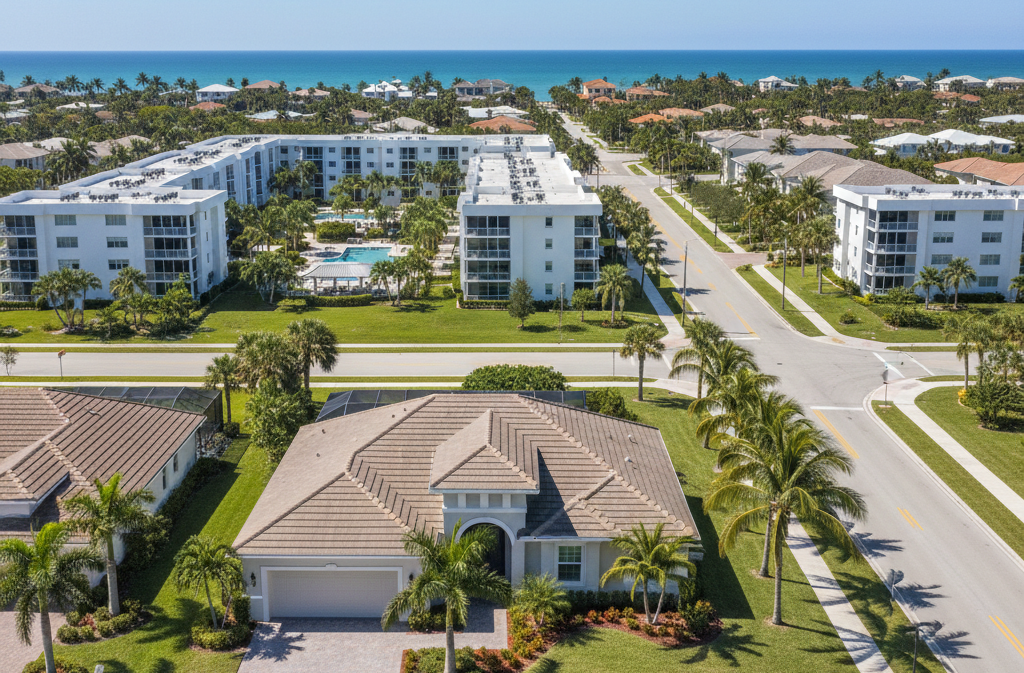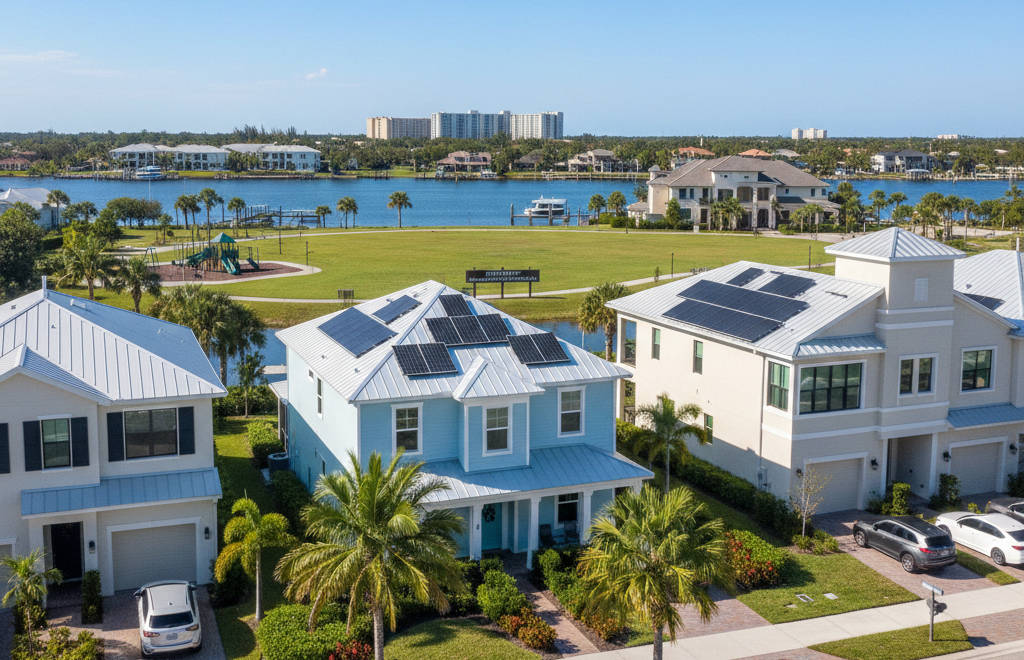


Thinking about moving to Miami? I get it. The beaches look amazing. The weather sounds perfect. And who doesn’t want palm trees outside their window?
But here’s the thing. Thousands relocate to South Florida every year, and many get sticker shock fast. The cost of living in Miami is higher than in most Florida cities. Way higher.
Housing takes the biggest bite out of your paycheck. Then groceries and gas pile on. But honestly? The lifestyle might make it worth every penny.
Let me walk you through what living here actually costs.
Housing Costs Drive Miami Expenses
Let’s start with the elephant in the room. Housing is expensive here. Like, really expensive.
The Miami, Florida, housing market has seen crazy growth in recent years. Prices keep climbing no matter what. Competition stays fierce. Everyone wants a piece of paradise.
Understanding the cost of living in Miami, Florida, starts with wrapping your head around housing costs.
Rent Prices Across Miami
Renting here isn’t cheap. Where you live makes a huge difference.
Want a studio in Downtown Miami? Plan on $2,000 to $2,500 monthly. A one-bedroom runs $2,200 to $3,000. Two-bedrooms? You’re looking at $3,000 to $4,500.
Miami Beach is even steeper. Expect at least $2,500 for a tiny studio. One-bedrooms start around $3,000. And that’s not even the beachfront.
The Miami suburbs offer some relief. Kendall, Homestead, and Miami Gardens have lower rents. Two-bedrooms go for $1,800 to $2,500. Sure, you sacrifice beach proximity. But your wallet will thank you.
Home Purchase Prices
Buying a home? Better have deep pockets. The median home price sits around $550,000 to $600,000. Yeah, you read that right.
Miami Beach properties cost even more. Small condos start around $400,000. Single-family homes? Easily over $1 million. I’m talking about regular homes, not mansions.
Downtown Miami condos range from $350,000 to over $1 million. Those luxury high-rises in Brickell? Add another million or two.
Looking for something more affordable? Check the outer suburbs. Homestead has homes starting around $300,000. West Miami offers options in the $350,000 to $450,000 range. Not cheap, but better.
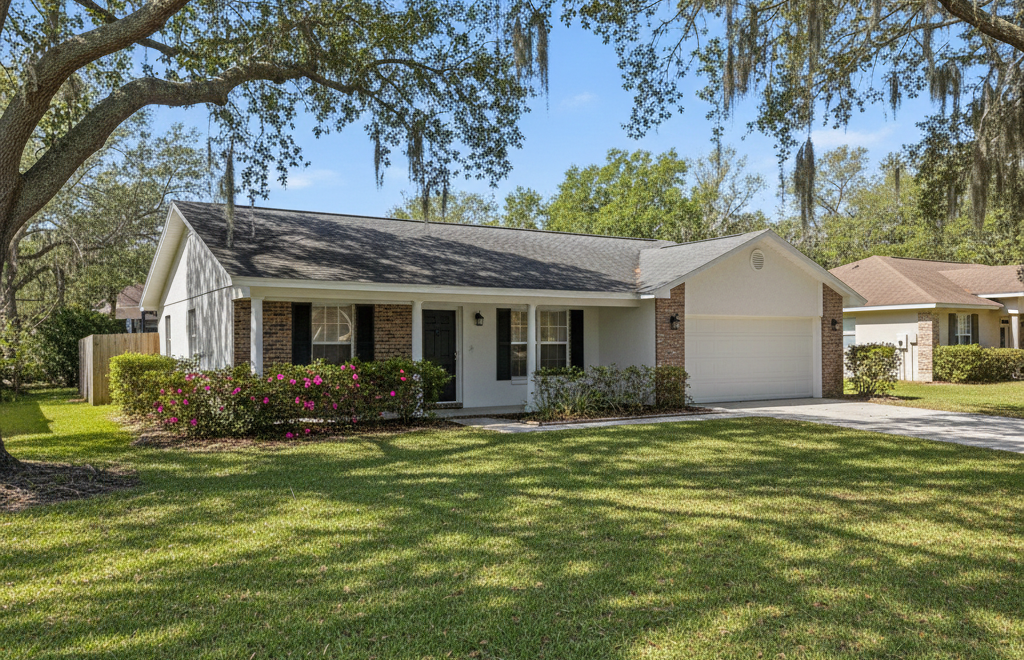
Here’s the reality check. Comparing the cost of living in Miami, Florida, to other parts of the state is eye-opening. North Florida cities like Palatka offer homes at literally half the price. Same sunshine. Same no state income tax. Just way less money.
Property Taxes and Insurance
Okay, here’s some good news. Florida has no state income tax. That definitely helps.
But hold on. Property taxes and insurance will still hit your wallet hard.
Property taxes in Miami-Dade County average 1.02% of your home’s value. On a $500,000 home, that’s around $5,100 yearly. Not terrible, but not nothing either.
Home insurance? That’s where it gets painful. Hurricane risk drives prices way up. Basic coverage runs $2,000 to $4,000 yearly. And flood insurance? Tack on another $500 to $2,000. Welcome to coastal living.
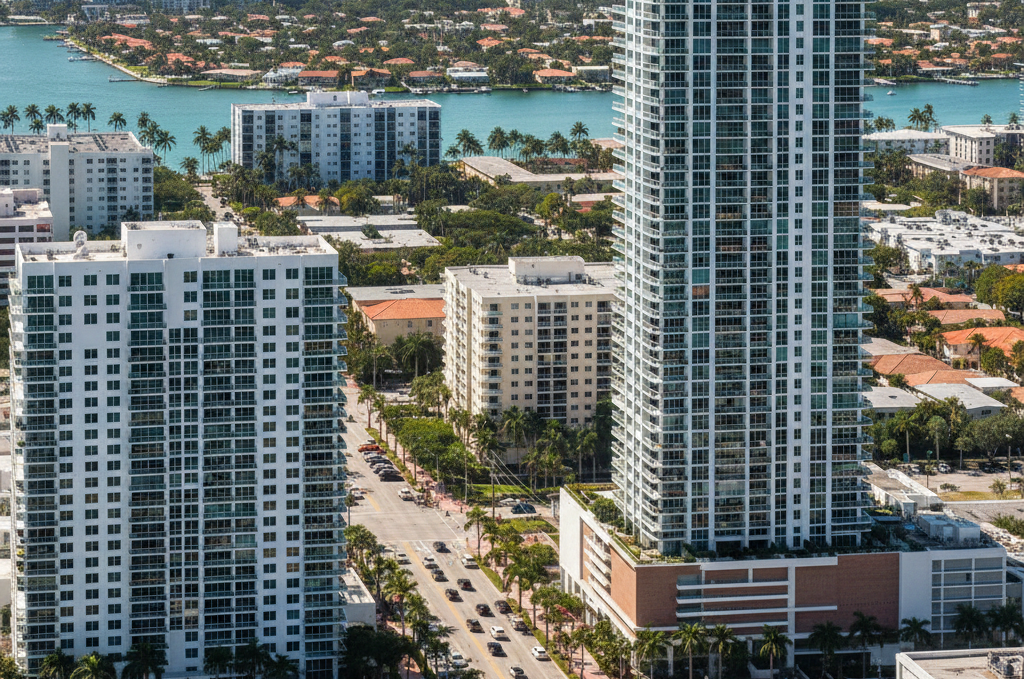
Daily Living Expenses Add Up
Beyond housing, the cost of living in Miami Florida includes all those daily expenses that somehow add up faster than you’d think.
Groceries and Food
Grocery shopping costs about 10% more than the national average. A gallon of milk? $4 to $5. A dozen eggs? $3.50 to $5. Nothing’s cheap.
Eating out is huge here. A casual meal costs $15 to $25 per person. Mid-range restaurants run $30 to $50. Fine dining? You’re looking at $75 to $150 easy.
The saving grace? Cuban food and Latin cuisine everywhere. Affordable cafeterias serve solid meals for $8 to $12. Seriously, these spots are lifesavers when you’re watching your budget.
Transportation Costs
Getting around Miami costs money. And let’s be real, you need a car. Public transit exists, but it’s pretty limited.
Gas prices typically run $3.20 to $3.80 per gallon. With Miami traffic being what it is, you’ll be filling up a lot.
Car insurance? Ouch. Average rates hit $2,400 to $3,600 yearly. That’s just reality here.
Miami transportation does include the Metrorail and Metromover. Monthly passes cost around $112. But the system only covers certain areas. Most neighborhoods still need a car.
And don’t forget parking. Downtown Miami parking runs $15 to $30 daily. Monthly passes? $200 to $400. It all adds up.
Utilities
Electric bills? They’re no joke here. Air conditioning isn’t optional in Miami. It’s survival.
Summer months can hit $200 to $300 monthly for a two-bedroom. Winter drops to $100 to $150. That’s just keeping the AC running.
Water and trash usually cost $50 to $80 monthly. The Internet costs $60 to $100. All these costs factor into the overall cost of living in Miami.
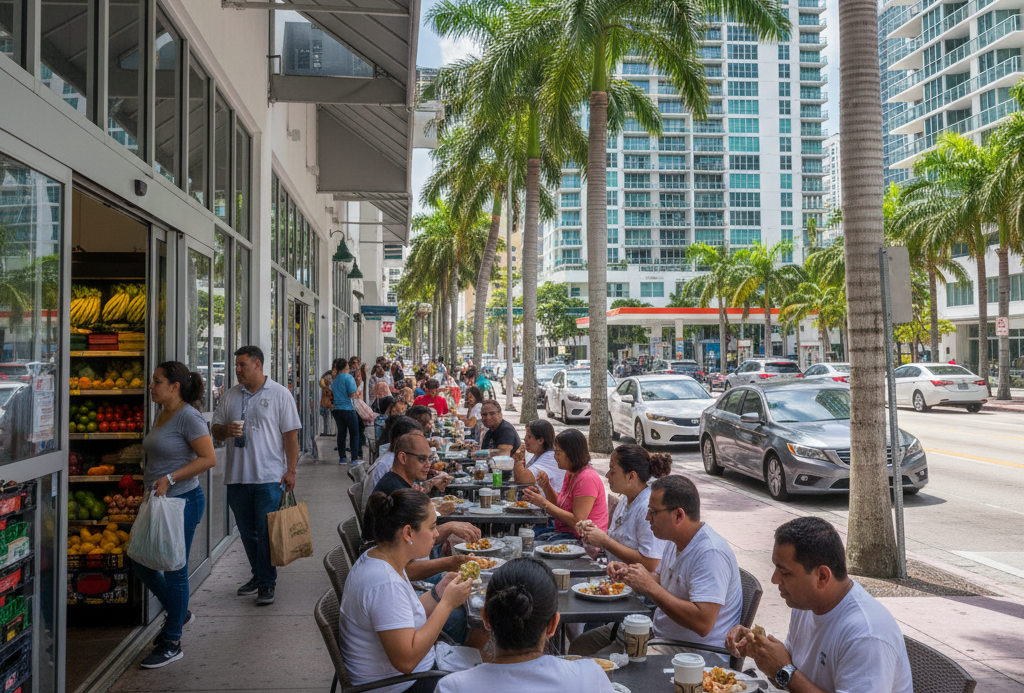
Miami Jobs and Economy
So what about making money? Jobs here pay reasonably well in many sectors. Not New York or San Francisco levels, but decent.
Major Industries
Tourism drives a huge chunk of Miami’s economy. Hotels, restaurants, and cruise lines employ thousands. It’s everywhere.
International trade is massive. Miami’s port handles cargo from all over the world. Finance and banking have a strong presence, too.
Healthcare employs tons of people. Major hospitals include Jackson Health and Baptist Health. And tech? It’s growing fast. Startups are choosing Miami over pricier cities.
Average Salaries
Here’s the reality. Miami’s median household income sits around $44,000 to $48,000 yearly. Below the national average, which is rough considering the costs.
Professional jobs pay better. Software developers earn $75,000 to $110,000. Nurses make $60,000 to $85,000. Financial analysts pull $65,000 to $95,000. Not bad.
Service industry wages? Lower. Retail and restaurant workers often make $25,000 to $35,000 yearly. Tight budget for Miami prices.
Understanding Miami jobs and economy helps you figure out if salaries actually match the cost of living in Miami. Spoiler alert: it’s tight for many people.
Best Neighborhoods in Miami
Where you live changes everything. Seriously, picking the right neighborhood affects the cost of living in Miami more than almost anything else.
Let me break down the main areas.
Downtown Miami and Brickell
Downtown Miami is where business happens. Brickell is the financial district. Both areas are pricey, but you get walkable urban living.
Condos everywhere. Studios start around $2,000 monthly to rent. Want to buy? $400,000 minimum.
You get amazing nightlife, great restaurants, and water views. The downside? Traffic is absolutely brutal during rush hour. Like, sit-in-your-car-for-an-hour brutal.
Miami Beach
This is what everyone pictures when they think of Miami. Art Deco buildings, white sand, and that gorgeous turquoise water.
Living here costs serious money. Rent for one-bedrooms starts around $3,000. Small condos to buy? $400,000 at least.
Here’s the thing. Tourists flood this area year-round. That means crowds everywhere and higher prices for everything. But hey, you can walk to the beach. For some people, that’s worth it.
Coral Gables
Coral Gables offers old-world charm and tree-lined streets. Upscale and family-friendly.
Home prices average $700,000 to $1 million. Rentals run $3,000 to $4,500 for two-bedrooms.
Miami schools in Coral Gables rank among the best. The area feels quieter while staying close to downtown.
Coconut Grove
Coconut Grove has a laid-back vibe. Sailboats dot the marina. Cafes line streets.
Expensive but less flashy than Miami Beach. Homes run $500,000 to over $1 million. Rentals start around $2,500.
Wynwood and Design District
Wynwood exploded from a warehouse district to trendy arts hub. Massive murals cover buildings.
Rent has climbed. One-bedrooms cost $2,200 to $2,800. Hip and walkable but touristy.
Affordable Miami Suburbs
Kendall, Westchester, and Miami Gardens offer lower costs. More residential and family-oriented.
Two-bedroom apartments rent for $1,600 to $2,200. Homes run $350,000 to $450,000. You sacrifice walkability but get more space.
Traffic to downtown takes 45 minutes. But you get better value and often better Miami schools.
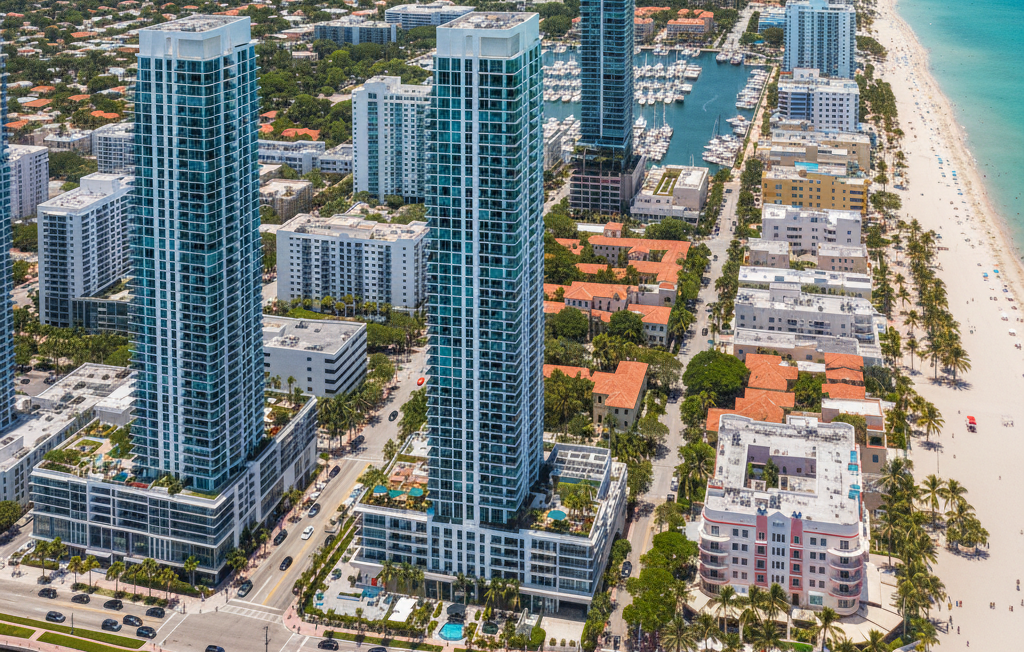
Miami Weather and Lifestyle
Let’s talk about Miami weather. It shapes everything about daily life here.
Summers are hot and crazy humid. We’re talking 90°F regularly from June to September. You’ll be sweating just walking to your car.
Winters? Absolutely beautiful. Highs around 75°F to 80°F. This is peak season when tourists flood in, and locals actually enjoy being outside.
Hurricane season runs from June through November. Insurance costs reflect this reality. You’ll need supplies and an actual plan when storms threaten.
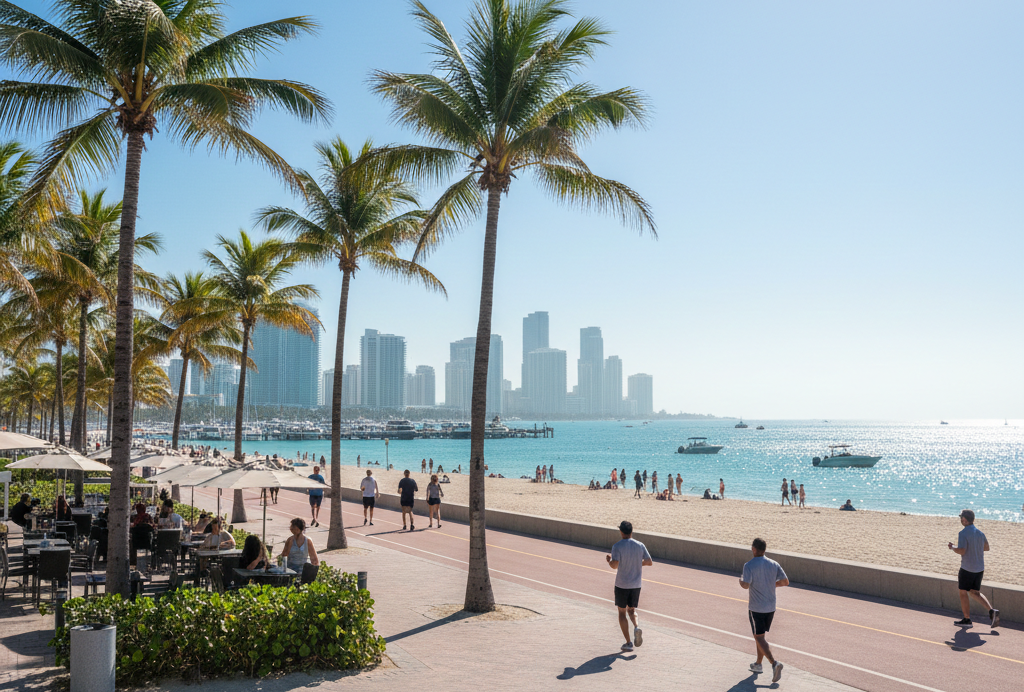
But here’s why people put up with it. The outdoor lifestyle is amazing. Beach access all year. Water sports whenever you want. Year-round activities. For many, that makes up for the heat and humidity.
Miami Culture and Entertainment
Miami culture is unique. Latin American influence is everywhere. Spanish mixes with English on every block.
Food Scene
Miami’s food scene is world-class. Cuban sandwiches and cafecito are staples. Argentinian steakhouses sit next to Peruvian cevicherias.
Food costs vary wildly. Street food serves cheap eats. High-end dining pushes budgets.
Nightlife
Miami nightlife is legendary. South Beach clubs draw international DJs. Wynwood has breweries and lounges.
Going out costs money. Cover charges hit $20 to $100. Drinks run $12 to $20. A night out easily costs $100 to $200 per person.
Arts and Attractions
Miami attractions include museums, beaches, and outdoor stuff. The Pérez Art Museum offers culture. The Vizcaya Museum shows historic beauty.
Many attractions are free. Beaches cost nothing. Walking Lincoln Road or Wynwood Walls? Free entertainment.
Big events like Art Basel bring global attention. These events hike prices during peak times.
Education and Miami Schools
Miami schools vary in quality. Miami-Dade County Public Schools are huge.
Some schools rank highly. Coral Gables schools score well. Others struggle.
Private schools are popular. Tuition ranges from $8,000 to $30,000 yearly. Universities include the University of Miami and FIU.
Healthcare Costs
Healthcare in Miami costs money. Jackson Health is a public hospital. Baptist Health offers private care.
Health insurance through work helps. Private insurance costs $400 to $800 monthly.
Doctor visits run $100 to $200 without insurance.
Comparing Miami to Other Florida Cities
The cost of living in Miami, Florida, ranks way up there. Like, top of the list for Florida cities.
Tampa and Orlando cost 15% to 25% less overall. Housing especially is way cheaper. Jacksonville? Even more affordable.
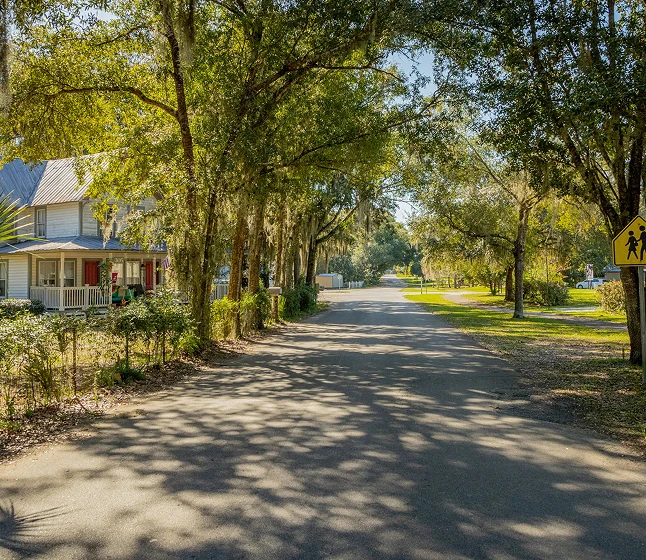
But North Florida? That’s where things get really interesting. Cities like Gainesville, Palatka, and Ocala have dramatically lower costs. We’re talking housing at literally half the price or less.
Want to compare what life costs across different parts of the state? Looking at different counties helps you see where your budget actually stretches while still getting that Florida sunshine.
Miami’s appeal is its international vibe, its beaches, and its economy. You’re paying for a specific lifestyle and opportunities. Some people find a way better value elsewhere in Florida and honestly don’t miss Miami at all.
Miami Crime Rate and Safety
Miami’s crime rate varies by neighborhood. Some areas are safe. Others need caution.
Coral Gables, Pinecrest, and Key Biscayne are the safest. Downtown and Miami Beach have more property crime.
Overall, Miami is safer than decades ago. Just use common sense. Lock cars and homes.
Miami Public Services
Miami public services include libraries, parks, and beaches. The county maintains green spaces.
Trash pickup is included. The Miami-Dade Transit system has buses, Metrorail, and Metromover.
Is Miami Worth the Cost?
So here’s the big question. The cost of living in Miami is high. Really high. Why do people still move here?
Miami weather is a huge draw. No more winter. No shoveling snow. Beach access every single day of the year.
Jobs exist, especially in international business, tourism, and healthcare. The tech scene is attracting young professionals looking for something different.
The culture? It’s unlike anywhere else in America. Latin American influence creates this incredible energy. Food is amazing. Music is everywhere. Miami nightlife is legendary.
For families, good neighborhoods offer quality schools. Suburbs give you space while keeping the beach close enough for weekend trips.
Look, you’ll pay more to live here. No question. But for the right person, the lifestyle and weather make it worth every penny.
Alternatives Within Florida
Not ready for Miami prices? I don’t blame you. Florida has plenty of other options that won’t break the bank.
Tampa offers way lower costs with big-city amenities. The Gulf Coast beaches are gorgeous, too.
Jacksonville is probably the most affordable major city in Florida. You get beaches, a growing economy, and you’ll actually experience seasons.
North Florida cities like Gainesville and Ocala? Small-town living with seriously lower costs.
Want to see what else is out there? Exploring real estate throughout Florida shows you options for every budget and lifestyle.
Even sticking with South Florida, Fort Lauderdale costs less than Miami while keeping you close to the beaches.
The Miami, Florida, real estate market is competitive and pricey. But knowing your options helps you make the smartest choice for your situation.
Conclusion
Look, the cost of living in Miami is high. But it’s manageable if you plan right. Housing will eat up most of your paycheck. Daily expenses pile on fast.
Do your homework on neighborhoods. Some offer way better value than others. Think about commute times and quality of life, not just the price tag.
Visit before you move. Seriously. Spend time in different areas. Talk to actual locals, not just your real estate agent. Check out grocery stores and parks. Get a real feel for it.
Be honest with yourself about money. Can you actually afford Miami and still save for emergencies? A lot of people move here and struggle financially. Others absolutely thrive.
If the costs seem too crazy, remember Florida has tons of other great options. Different cities, different vibes, different price points. Something for everyone.
Understanding what things actually cost helps you make smart decisions. Miami can be incredible if it fits your budget and what you want from life. Just don’t go in blind about the money part.
Ready to explore what Florida has to offer? The choice is totally yours.