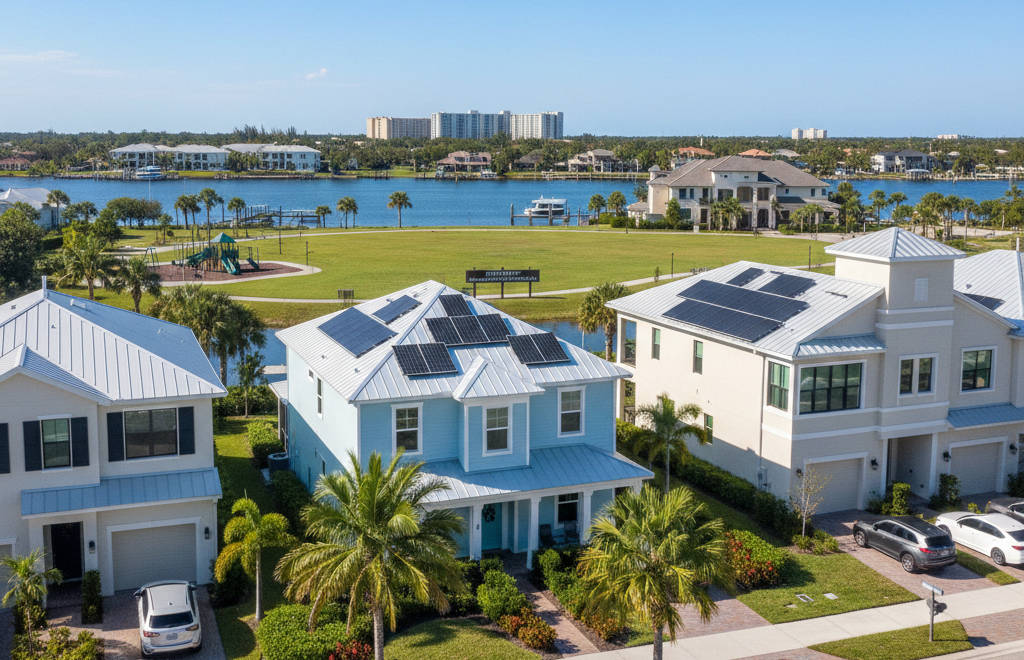


Mortgage interest rates in Florida shape almost every decision in a home purchase, yet most buyers only think about the rate once they’re already deep into house hunting. That’s backwards. Understanding where Florida mortgage interest rates stand before you start looking changes what you can afford and whether you should buy now or wait. This guide breaks down the current rate environment in plain language.
Why Mortgage Interest Rates in Florida Matter More Than the List Price
A lot of buyers fixate on the sale price of a home and barely glance at the rate attached to their loan. That’s a costly habit. Mortgage interest rates in Florida directly control your monthly payment, and even a small rate shift can swing your budget by hundreds of dollars a month. A half-point difference on a $300,000 loan can add or subtract close to $100 a month, which adds up to thousands over the life of the loan.
Rates also affect how much house you actually qualify for. Lenders look at your monthly payment relative to your income, so as mortgage interest rates in Florida rise, your maximum approved loan amount typically shrinks, even if your income hasn’t changed at all.
Where Florida Mortgage Interest Rates Stand Right Now
Mortgage interest rates in Florida generally track the national average, since most lenders price loans off the same benchmark indexes. As of early 2026, rates have settled into a range noticeably lower than the peak seen a couple years ago, though still higher than the ultra-low rates buyers saw before that. Conventional 30-year fixed rates are the most common benchmark, while FHA and VA loans often come in slightly lower depending on your credit profile.
Because rates shift week to week, the most reliable way to check current numbers is through a live, weekly-updated source rather than a number you saw months ago.
What Moves Mortgage Interest Rates in Florida
A few forces drive these shifts:
- Federal Reserve policy decisions
- Inflation data and economic reports
- Bond market activity, especially the 10-year Treasury yield
- Overall housing demand and lender competition
None of these are things you can control, which is why the smarter move is understanding how rates affect your specific numbers rather than trying to predict the next move.
How Mortgage Interest Rates in Florida Affect Your Monthly Payment
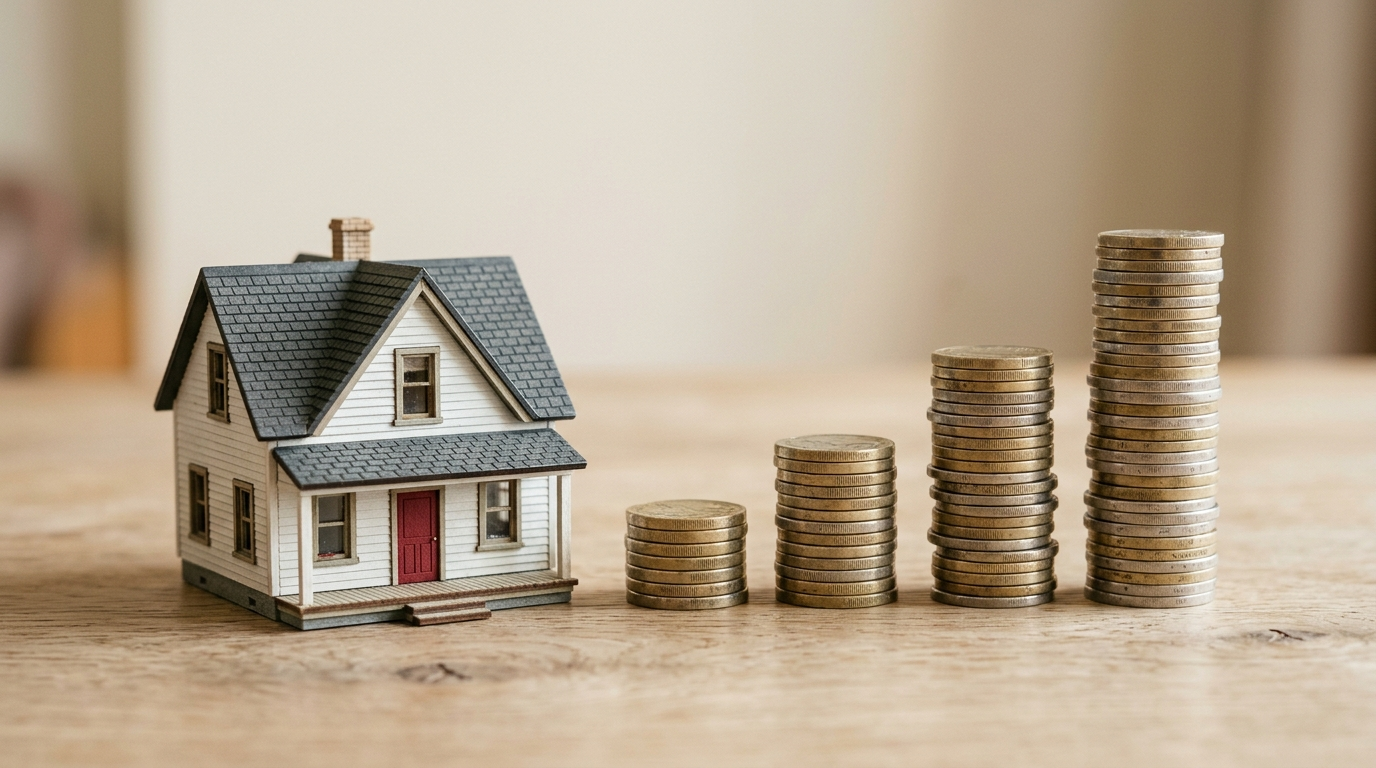
Here’s a simple way to picture it. On a $300,000 loan:
- At a lower rate, your principal and interest payment might land around $1,850 a month
- At a rate one point higher, that same loan could push past $2,050 a month
- At a rate two points higher, you could be looking at $2,270 or more
That’s a real difference of $400+ a month between rate scenarios on the exact same loan amount. This is why locking a rate at the right time, and shopping multiple lenders, matters just as much as negotiating the sale price itself.
How Mortgage Interest Rates in Florida Influence the Broader Market
Rates don’t just affect individual buyers. They shift the entire market’s balance between buyers and sellers. When mortgage interest rates in Florida climb, fewer buyers qualify for the same price point, which slows demand and can cool competition on listings. When rates drop, buying power increases, more buyers enter the market, and competition for well-priced homes usually heats back up.
This is part of why timing matters so much. If you’re weighing whether to buy now or wait, it helps to see if it’s the best time to buy a home in Florida based on where rates and inventory currently stand together, not just one or the other.
Budgeting for Today’s Mortgage Interest Rates in Florida
Before you start touring homes, run your numbers with current rates, not last year’s rates. A few steps that actually help:
Get Pre-Approved, Not Just Pre-Qualified
Pre-approval locks in a real number based on your actual credit and income, using today’s mortgage interest rates in Florida, not a rough estimate.
Compare Loan Types
FHA loans often carry more flexible qualification requirements and can come with competitive rates for buyers with smaller down payments. It’s worth taking time to learn about FHA loan options in Florida before assuming a conventional loan is your only path.
Factor In the Full Monthly Cost
Principal and interest are only part of the payment. Property taxes, homeowners insurance, and HOA fees stack on top. Florida’s insurance costs in particular can shift your real monthly number more than people expect.
Decide If Renting Still Makes Sense First
If current rates make your target price range tight, it’s worth taking a step back and running the numbers on renting vs buying in Florida before committing either way.
Selling in a Rate-Sensitive Market
If you’re selling, mortgage interest rates in Florida affect your buyer pool directly. Higher rates mean fewer buyers qualify at your asking price, so realistic pricing matters even more. Getting a free home valuation before you sell gives you a clear, current number instead of guessing based on what the house down the street sold for two years ago, back when rates were completely different.
For the most current national rate data, Freddie Mac’s Primary Mortgage Market Survey publishes updated average mortgage rates every week and is a reliable benchmark to check before locking in your own rate.
Don’t Forget Closing Costs
Rate conversations often overshadow another major cost buyers underestimate: closing costs. Between lender fees, title costs, and prepaid items, these can add up to several thousand dollars on top of your down payment. Reading through the Florida closing costs guide before you make an offer helps you budget for the full picture, not just the rate and the down payment.
The Bottom Line on Mortgage Interest Rates in Florida
Mortgage interest rates in Florida will keep moving with the broader economy, and trying to time the bottom perfectly is nearly impossible. What you can control is your preparation: getting pre-approved with current numbers, comparing loan types, and understanding how a rate shift changes your real monthly payment. Understanding current mortgage interest rates in Florida before you shop puts you in a stronger position at the negotiating table.
Ready to see what today’s rates mean for your specific price range? You can search current homes for sale in Northeast Florida or browse Clay County homes for sale to get a real sense of what fits your budget right now.