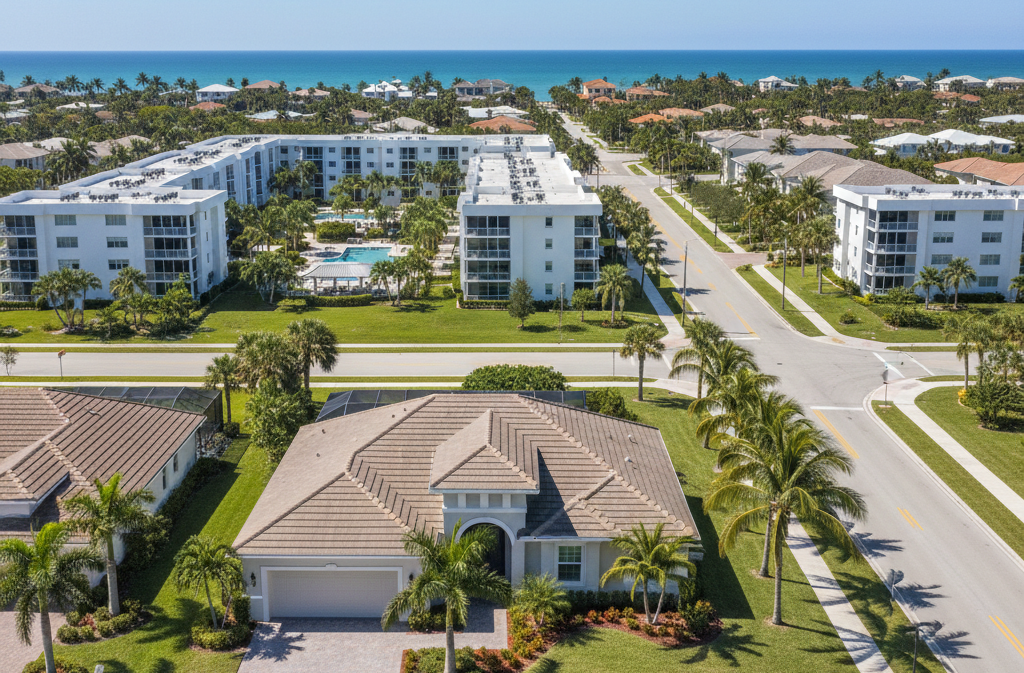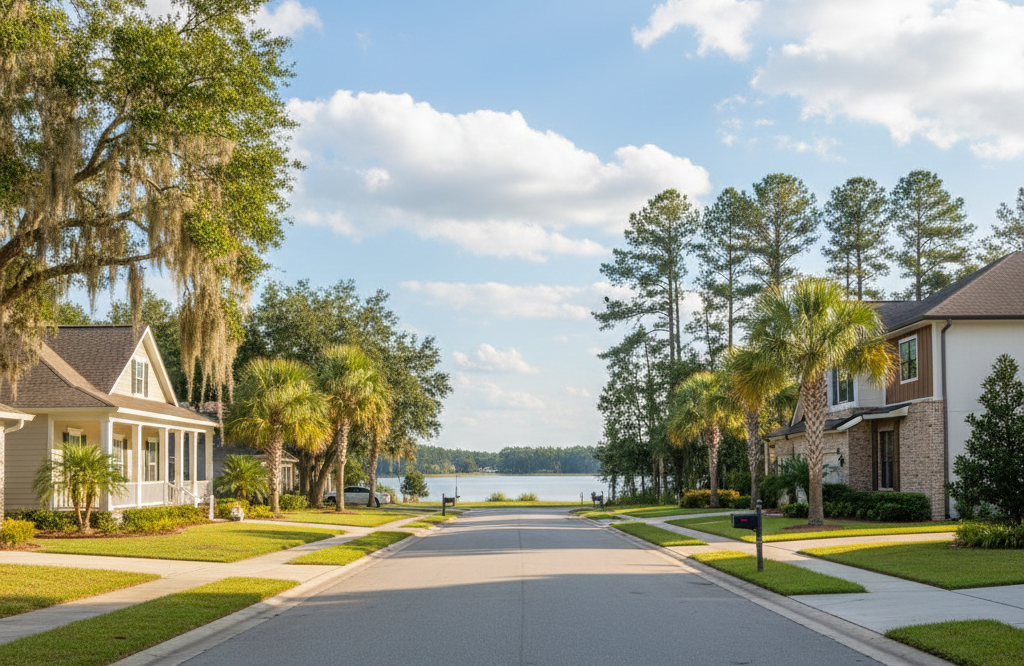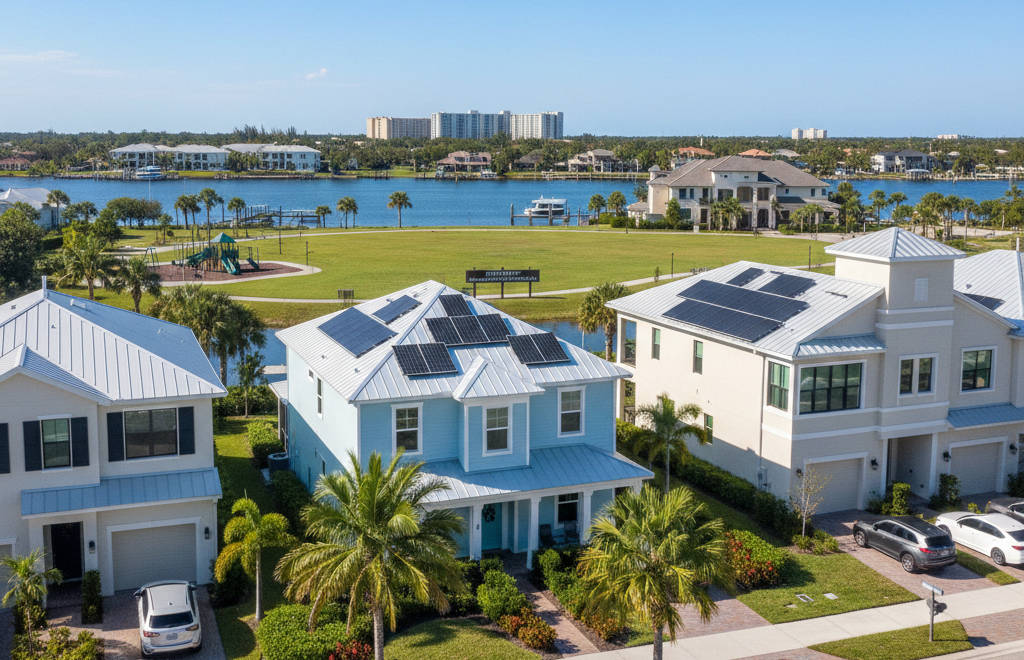


Living in Orange Park FL means something different in 2026 than it did even two years ago. The Clay County housing market has shifted. Inventory has improved. And buyers who once couldn’t compete in this suburb of Jacksonville are finding real opportunities, if they know where to look and what to expect. This guide covers everything honestly: the cost of living, the real estate market, the schools, the trade-offs, and why a growing number of families and first-time buyers are choosing Orange Park over pricier alternatives across the Jacksonville metro.
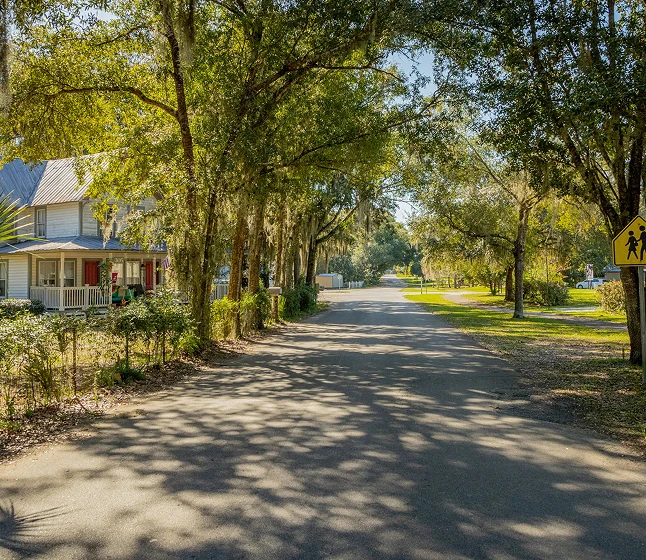
Orange Park sits in Clay County, directly south of Jacksonville along the St. Johns River. With a 2026 population of approximately 8,945, it’s a compact town with a dense suburban feel, most residents own their homes, most streets have sidewalds and mature trees, and the Orange Park Mall anchors a commercial corridor that keeps daily conveniences close. But here’s what most guides won’t tell you: Orange Park isn’t for everyone, and understanding its genuine trade-offs is what separates people who thrive here from those who move again within two years.
What Does It Actually Cost to Live in Orange Park FL?
The cost of living in Orange Park FL sits at a composite index of 99, essentially at the national average, which makes it one of the most competitively priced towns in all of Northeast Florida. That number, though, doesn’t tell the full story.
Schedule a Consultation
Housing Is Where Orange Park Wins
Housing is the defining financial advantage of living in Orange Park FL. As of early 2026, the median sale price for single-family homes in Orange Park sits in the $225,000 to $300,000 range for starter homes and established ranch-style properties, with the wider Clay County median landing around $349,000, a figure confirmed by the February 2026 Clay County Housing Market Report. Compare that to neighbouring St. Johns County, where median prices regularly exceed $450,000, and you’re looking at a potential savings of $100,000 to $150,000 for comparable square footage. That’s not a small difference. On a 30-year mortgage at current rates hovering around 6.3%, that gap translates to roughly $550–$850 less per month in mortgage payments, money that stays in your household budget rather than going to a lender.
Renters aren’t left out of this equation either. The average apartment rent in Orange Park is approximately $1,330 per month, compared to $1,499 in Jacksonville and $2,538 in Miami. A 995-square-foot apartment typically comes in around $1,402. If you’re weighing buying vs. renting, the home price-to-income ratio in Orange Park is 3.2, meaningfully lower than the Florida statewide average, which means homeownership here is genuinely within reach for households earning the local median income of $77,106.
Groceries, Utilities, and Daily Expenses
Beyond housing, Orange Park’s cost of living advantages extend to everyday spending. Transportation costs in the Jacksonville metro run roughly 13% below the national average, which matters in a town where you’ll almost certainly be driving. There’s effectively no public transit in Orange Park, 0% of commuters use it, so a reliable vehicle isn’t optional. Factor that into your budget, honestly. Utilities, groceries, and healthcare in the broader Jacksonville market all run below national averages, contributing to the overall affordability picture.
The Orange Park FL Real Estate Market in 2026
Understanding the Clay County housing market heading into spring 2026 is critical for anyone considering homes for sale in Orange Park FL. The market isn’t what it was in 2022, and that’s actually good news for buyers.
Inventory Has Finally Improved
One of the most significant shifts in the Orange Park FL real estate picture is inventory. After years of historically tight supply, active listings in Clay County have climbed compared to early 2025. As of February 2026, the months of supply in Clay County sit at approximately 4.65 months, putting the market squarely in balanced territory. For context, anything under 3 months is a seller’s market; anything over 6 is a buyer’s market. At 4.65, buyers have real negotiating room without the panic of the pandemic-era frenzy. Well-maintained homes in desirable pockets are still moving within 30 to 45 days, so you can’t afford to be passive, but you’re no longer walking into bidding wars where you waive every contingency and pray. For buyers who want to track price movements week by week, the Clay County median sale price data from Redfin is updated monthly and gives a reliable baseline for offer decisions.
What $280K–$340K Gets You
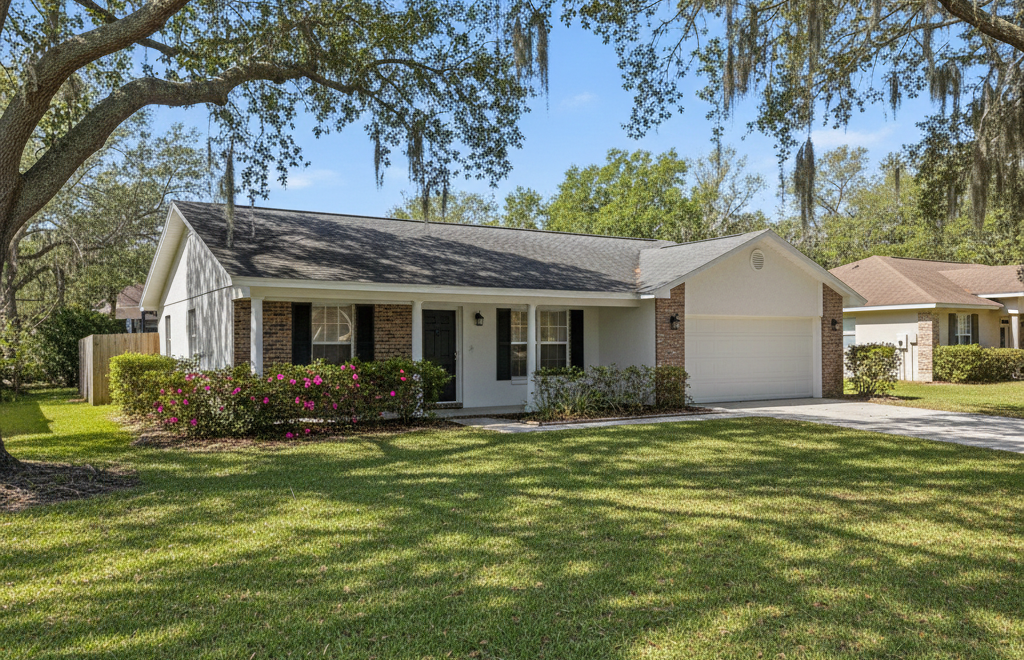
Homes for sale in Orange Park FL in the $280,000 to $340,000 range, the primary sweet spot right now, typically offer three to four bedrooms, two bathrooms, and a single-car or two-car garage on an established lot. Waterfront properties along the St. Johns River or near Doctors Lake command a premium and often push above $400,000. New construction in the Oakleaf Plantation corridor, which technically straddles the Orange Park address area, brings options from Lennar and other builders with modern floor plans, though those come with HOA fees that can add $150–$300 per month. It’s worth knowing that Clay County is considered one of the most affordable real estate markets in the greater Jacksonville metro, a title that’s drawing attention from military families stationed at NAS Jacksonville, first-time buyers priced out of Duval County, and remote workers who no longer need to commute daily into the city. If you’re ready to start browsing, explore current Clay County homes for sale to see what’s active in your price range right now.
Schedule a Consultation
Schools and Education in Orange Park FL
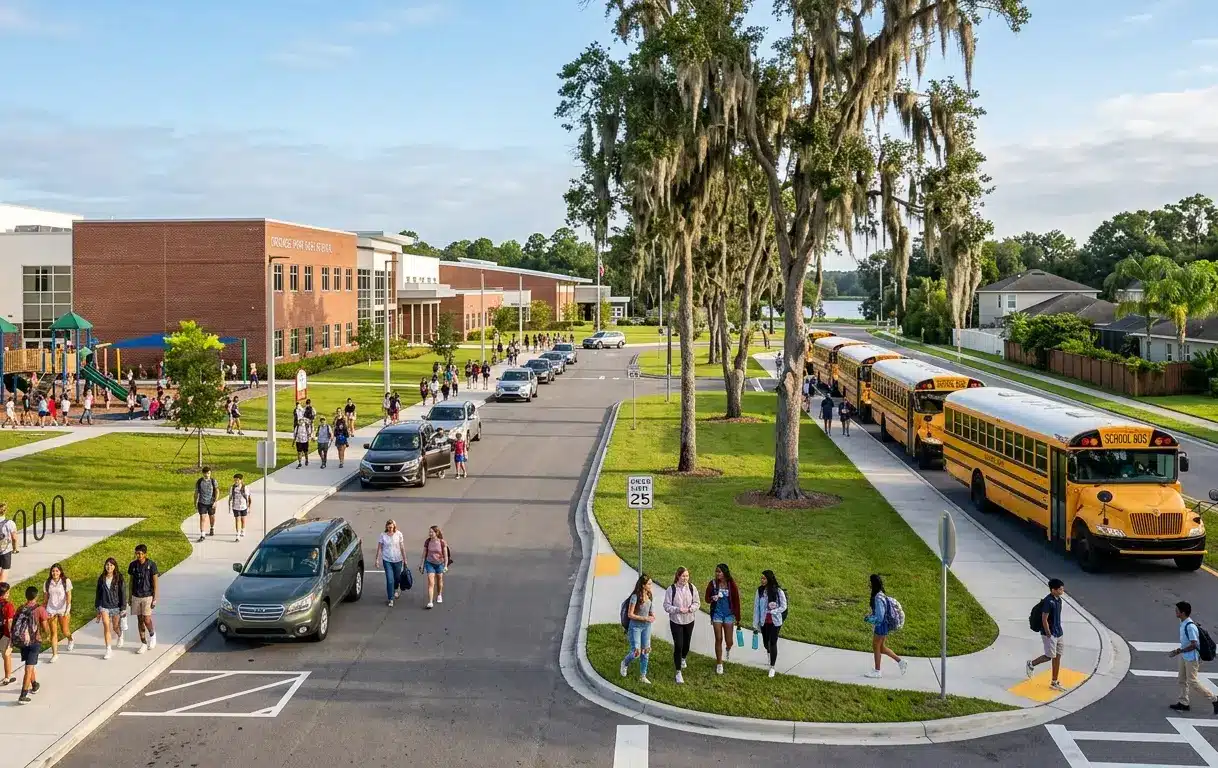
Families researching living in Orange Park FL put schools near the top of their checklist, and they should. The Clay County School District serves more than 38,000 students and is ranked by Niche as the second-best school district in the Jacksonville metro area, a meaningful designation that doesn’t get nearly enough attention.
Clay County School District Rankings
Orange Park High School and Fleming Island High School serve the town’s secondary students. Fleming Island High is ranked by US News as the top high school in the Clay County District, and both schools benefit from a district that prioritizes academic performance, dedicated teachers, and diverse program offerings. Elementary schools, including Grove Park Elementary, serve neighbourhoods near Clarke House Park, one of the most family-oriented pockets in Orange Park. For families who need private alternatives, Berean Christian Academy, St. Johns Country Day School, and Christian Home Academy all operate within the service area. The school quality in this district is one of the most underrated selling points for living in Orange Park FL, families moving from other Florida metros are frequently surprised by what they find here. The Orange Park school and livability rankings on Niche provide a detailed breakdown of individual school grades if you want to compare specific campuses before committing to a neighbourhood.
Neighbourhoods Worth Knowing Before You Move
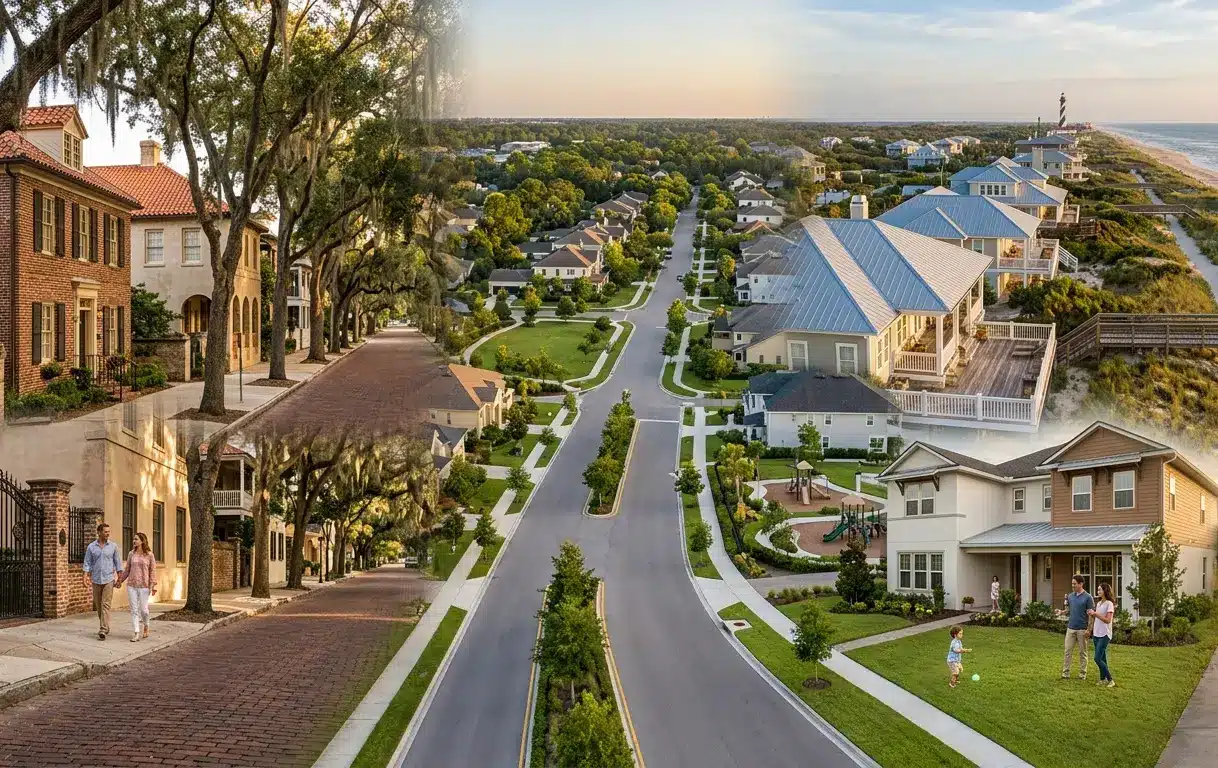
Orange Park is a small town, which means the neighbourhood differences are less dramatic than in a city like Jacksonville. But they matter. The area around Park Avenue (US-17) is the most active commercial corridor, walkable to grocery stores, restaurants, and retail, and well-positioned for commuters using I-295 or the Buckman Bridge to reach downtown Jacksonville.
Clarke House Park and Holly Point
The Clarke House Park area is widely considered the most family-friendly pocket of Orange Park. Single-family homes with generous yards, tree canopy, and proximity to top-rated elementary schools make it a consistently high-demand zone. Holly Point sits to the south, offering quieter streets and easy access to both Doctors Lake Marina and the broader Fleming Island area. Waterfront properties along both Doctors Lake and the St. Johns River sit in this corridor, and for the price, they represent some of the strongest long-term value in all of Clay County. That’s not hyperbole. A three-bedroom, two-bathroom home with water access here can still be found under $400,000, a figure that simply doesn’t exist in comparable waterfront markets further south or east.
The Honest Trade-Offs of Orange Park Living
Every place has them, and Orange Park is no exception. The town doesn’t have a vibrant walkable downtown. Public transit is essentially non-existent; a car isn’t just preferred, it’s required. Some residents note that beyond the mall, dining, and parks, there isn’t a huge entertainment scene within the town limits themselves. That said, Jacksonville is 15 to 25 minutes away, depending on traffic, putting the full range of a major metro, Jaguars games, live music at Veterans Memorial Arena, beaches at Jacksonville Beach and Ponte Vedra, within easy reach. Buyers who want even more space and affordability sometimes look further south, Putnam County real estate offers riverfront properties at price points that Clay County can’t match.
Crime Rates in Context
Crime in Orange Park often makes people pause when they first see the numbers. The overall crime rate runs about 6.2% lower than the national average, with violent crime sitting 12.8% below national levels. Property crime, however, tracks slightly above the state average, a pattern common in suburban commercial corridors where retail theft inflates the overall statistic. The FBI classifies Orange Park as a safe community, and most long-term residents describe their day-to-day experience as safe. That said, like anywhere in Florida, neighbourhood specifics matter more than town-wide averages. The Clarke House Park area and Holly Point consistently score higher on safety metrics than the commercial zones along Blanding Boulevard.
How Kassidy Babcock Helps Buyers Navigate Orange Park Real Estate
Navigating homes for sale in Orange Park FL requires more than a Zillow search. The Clay County housing market in 2026 moves fast in some price brackets and sits stale in others, and knowing the difference is what determines whether you overpay or find genuine value. Whether you’re buying your first home or selling a home in Florida to fund a move into the area, having a local expert changes the outcome.
Hyperlocal Market Knowledge That Changes Outcomes
Kassidy Babcock is a full-time realtor serving Clay County, Putnam County, and the broader Northeast Florida market. She’s closed more than 50 transactions across these communities, which means she knows which Orange Park streets hold value over time, which HOA-heavy developments come with hidden costs, and when a listing that’s been sitting 60+ days is a red flag versus a diamond everyone else overlooked. That kind of local knowledge isn’t available in a market report; it’s built through showing properties week after week in the same neighbourhoods.
First-Time Buyer Guidance That Actually Simplifies the Process
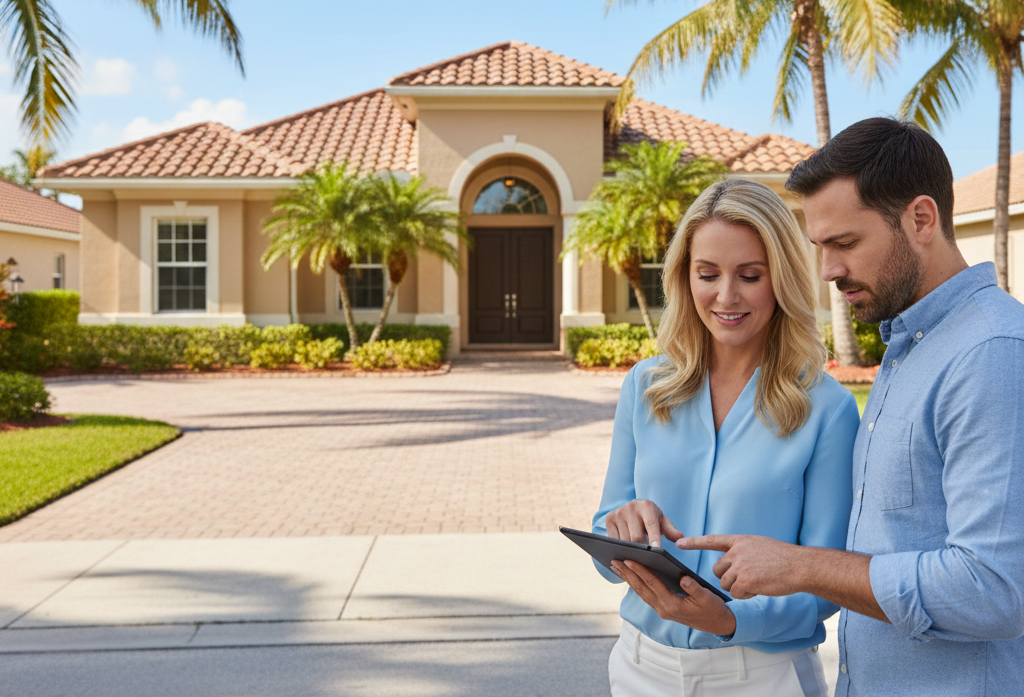
Orange Park FL real estate is one of the most accessible entry points into homeownership in Northeast Florida, but first-time buyers still need guidance on financing timelines, inspection protocols, and how to write a competitive offer in a balanced market. Kassidy walks every buyer through each step in plain language, stays available throughout the process, and doesn’t disappear after the contract is signed. Her clients appreciate that she treats every transaction as if it’s her own money on the line.
Ready to Find Your Home in Orange Park?
If you’re serious about moving to Orange Park Florida, or exploring homes for sale in Clay County, don’t start with an algorithm. Start with a local agent who knows exactly what $299,000 should get you on the east side of town versus the west. Contact Kassidy today for a free buyer consultation, and let’s find the right home at the right price before someone else does.
Schedule a Consultation