

There’s a story that didn’t make it into most real estate headlines this year, but if you’re thinking about living in Putnam County FL, it probably should have. Putnam quietly positioned itself as one of the more forward-thinking counties in Florida when it comes to solid waste. Not a flashy topic, I know. But it’s exactly the kind of decision that ends up shaping property taxes, local infrastructure, and day-to-day quality of life for years.
I spend most of my time helping people figure out what living in Putnam County FL actually looks like, and stories like this rarely make it into a listing description. They still matter. A lot, actually.
What’s Actually Happening
Putnam County is moving ahead with a pilot project alongside a company called Reasyn Technologies, aimed at turning solid waste into usable energy. The launch is targeted for around November 2026. The process is called gasification, it converts trash into a clean-burning gas known as syngas, and the most common byproduct is methane, which can generate electricity or fuel equipment.
County commissioners have pointed out something worth sitting with: Putnam made a smart call years ago by holding onto its own landfill instead of selling it off. That single decision is what’s making this whole pilot project possible now. Skip that foresight, and this kind of opportunity for living in Putnam County FL residents just doesn’t exist.
It says something about how this county operates. Big decisions here don’t always grab headlines the moment they’re made, but they tend to pay off down the road. That’s part of the appeal for people weighing living in Putnam County FL who care more about long-term stability than short-term flash.
How the Pilot Program Works
Phase one is intentionally modest. A pilot gasification unit goes up at the Highway 17 North Palatka Landfill, built to process about five tons of solid waste a day. If that runs stable, the county’s plan is to scale up hard, up to 150 tons daily through additional units.
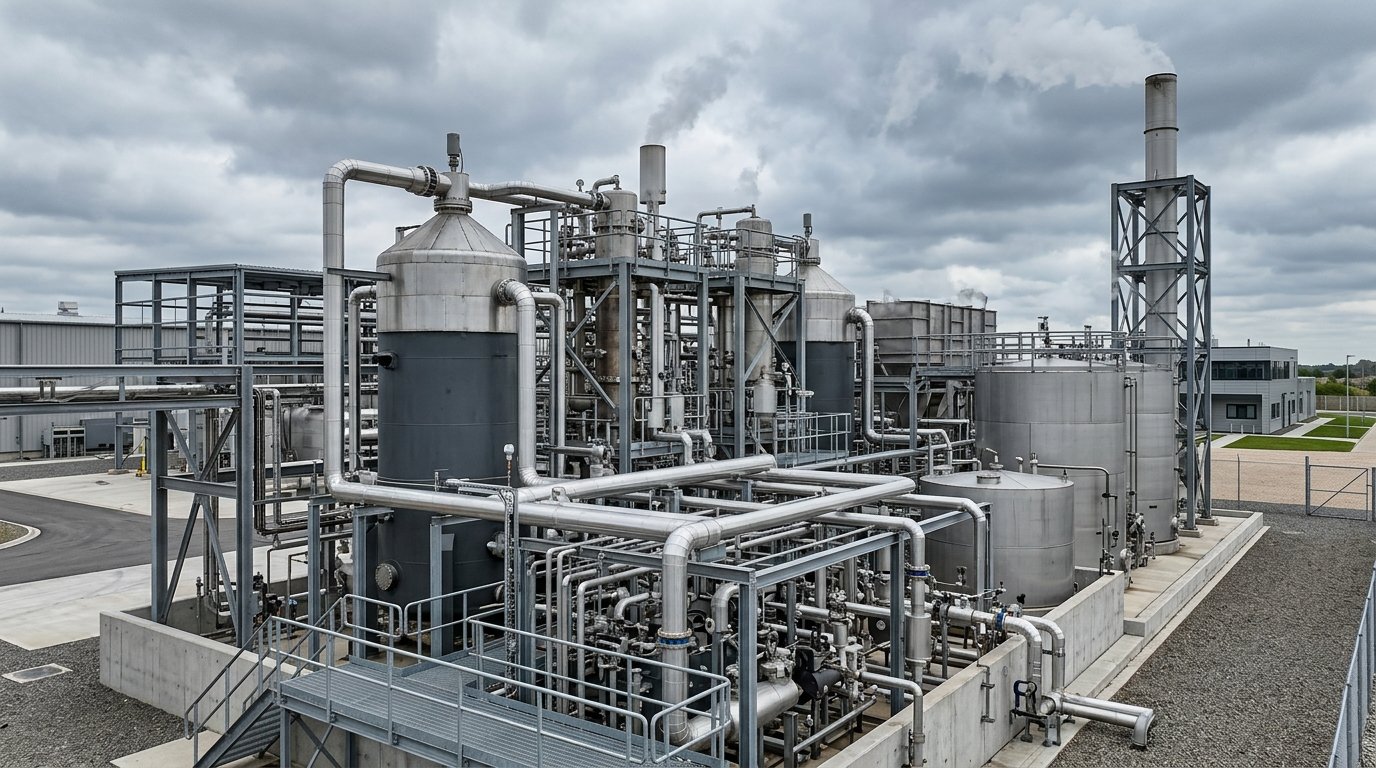
Here’s the smart part. Once scaled, the system is expected to power itself using the gas it produces. A self-sustaining loop, basically, with no need for constant outside energy input. County sanitation leadership has pointed to similar projects around the country that turned old landfills into working energy sources, one powered a manufacturing plant, another kept the lights on for thousands of homes.
Why This Actually Matters If You’re Living in Putnam County FL
Waste management isn’t the most exciting topic at a dinner party, I get it. But stay with me, because this connects directly to what living in Putnam County FL looks like on a practical level. Trash pickup, tax bills, land use near the landfill, it all ties back to decisions like this one, whether people realize it or not.
Right now the county handles roughly 425 tons of solid waste a day. That’s down significantly from a peak of about 1,200 tons daily, back when Putnam was accepting waste from surrounding counties. Officials have admitted that taking in outside trash looked profitable at the time, but it wasn’t sustainable, not for the county, and not for the people living there.
This new approach flips the script. Instead of importing everyone else’s trash, Putnam is setting itself up to eventually process waste from neighboring counties again, except this time through a system that generates clean energy and real revenue instead of just piling up landfill space. That’s a real shift for anyone thinking long-term about living in Putnam County FL.
It also lines up with something I’ve noticed while helping clients relocate here. People asking about living in Putnam County FL aren’t just asking about home prices and school zones anymore, not like they used to. They want to know about infrastructure, about environmental planning, whether local government is actually thinking ahead or just reacting. This project answers that question in a concrete way.
What It Means for Property Owners and Buyers
This is the part that matters most if you’re weighing living in Putnam County FL from a real estate angle. A few tangible things tend to come with projects like this:
Tax stability is the big one, officials have floated a no-increase guarantee on solid waste taxes tied to this project, which matters if you’re budgeting for the long haul. Fewer landfill headaches is another; cutting back on traditional landfill overflow tends to help nearby property desirability and land use down the line. And there’s new revenue potential too, if Putnam eventually processes other counties’ waste again, but profitably and cleanly this time, that money can support local infrastructure without raising anyone’s taxes.
None of this shows up on a listing sheet. But it’s exactly the kind of behind-the-scenes decision that determines whether a county’s infrastructure keeps pace with its own growth. If you’ve been following the broader story of Putnam’s growth and the wave of buyers getting priced out of St. Johns and Alachua counties, this fits right into that same picture. It’s one more data point in a pattern I keep seeing repeat itself here, quiet, practical moves that add up to something bigger over time.
A County That’s Actually Planning Ahead
What sticks with me about this project isn’t the technology, it’s the mindset behind it. Putnam has a track record of small-town, practical decision-making pulling off things bigger counties struggle with. The same instinct that kept the landfill in county hands years ago is the same instinct now shaping how Putnam approaches growth, development, and energy.
For anyone comparing living in Putnam County FL against a bigger, pricier market, this is a solid example of why the county keeps punching above its weight. Nothing flashy about it, just the kind of groundwork behind stable services, predictable costs, and a community that isn’t scrambling to keep up with itself.
I’ve talked to buyers who assumed a smaller county like this one would lag behind on infrastructure. Projects like this pilot program are a good counterexample, proof that decisions here get made with a long horizon in mind, which is worth knowing before you commit to living in Putnam County FL for the next decade or two.
For the fuller regulatory backdrop, the Florida Department of Environmental Protection’s Putnam County waste management documentation covers how the county has historically handled solid waste and environmental planning.
Curious What This Means for Your Own Move or Investment?
If you’re seriously weighing living in Putnam County FL, relocating from out of state, buying land, or just trying to understand how infrastructure decisions like this affect long-term property value, I’m happy to talk through it.
Every time I sit down with someone comparing living in Putnam County FL to a bigger, more expensive market, this is exactly the kind of thing we go over. It tells you far more about where a place is headed than any listing photo ever could.
Start by browsing current Putnam County homes for sale to see what’s actually on the market, or check out our Putnam County real estate guide for a full breakdown of neighborhoods, pricing, and what makes each area different. If monthly expenses are part of the equation, our cost of living in Palatka guide is worth a look too.
If you have questions about how projects like this fit into the bigger picture of buying, selling, or investing in Putnam County, reach out directly and I’ll walk you through what it actually means for your situation.