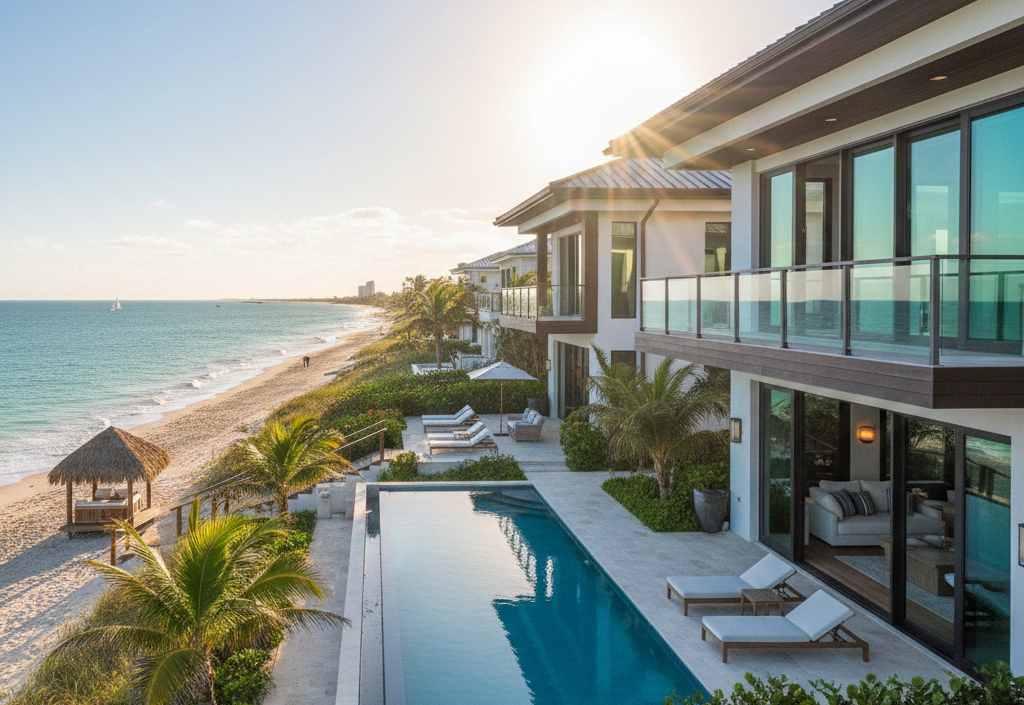


Waterfront homes in Putnam County FL offer something most of Florida’s real estate market can’t: genuine riverfront and lakefront living at prices that don’t require a second mortgage just to get through the door. Putnam County runs along the St. Johns River in Northeast Florida, one of the most navigable waterways in the state, and it’s surrounded by lakes, creeks, and natural water access that coastal counties simply don’t match at these price points. Homes here typically range from $150,000 to $500,000, putting waterfront ownership within reach for first-time buyers, retirees, remote workers, and investors who’ve been priced out of beach markets entirely. But buying on the water isn’t the same as buying a regular home. Flood zones, insurance requirements, dock permits, and inspection standards all work differently, and buyers who don’t understand these before making an offer often pay for it after closing. This guide covers everything you need to know.For current waterfront and inland listings across the county, see our Putnam County FL homes for sale page. Most people searching for Florida waterfront property start with the Gulf Coast or the Atlantic beaches. That’s understandable, but coastal markets come with coastal prices that have become genuinely unrealistic for a large portion of buyers. Putnam County offers waterfront homes in Putnam County FL at a fraction of what comparable water access costs anywhere near the ocean, and that gap has only grown wider, which is exactly why more buyers are actively searching for waterfront homes in Putnam County FL before inventory gets picked over.
 This is the step most buyers skip, and it’s the one that produces the most expensive surprises after closing. Almost every waterfront home in Putnam County falls within a FEMA-designated flood zone. That doesn’t mean you shouldn’t buy, but you need to understand which zone the property sits in before committing to a price.
 One of the biggest draws of waterfront living is having your own dock. But docks in Florida come with rules that aren’t always obvious to buyers from other states.
Why Putnam County Stands Out for Waterfront Buyers
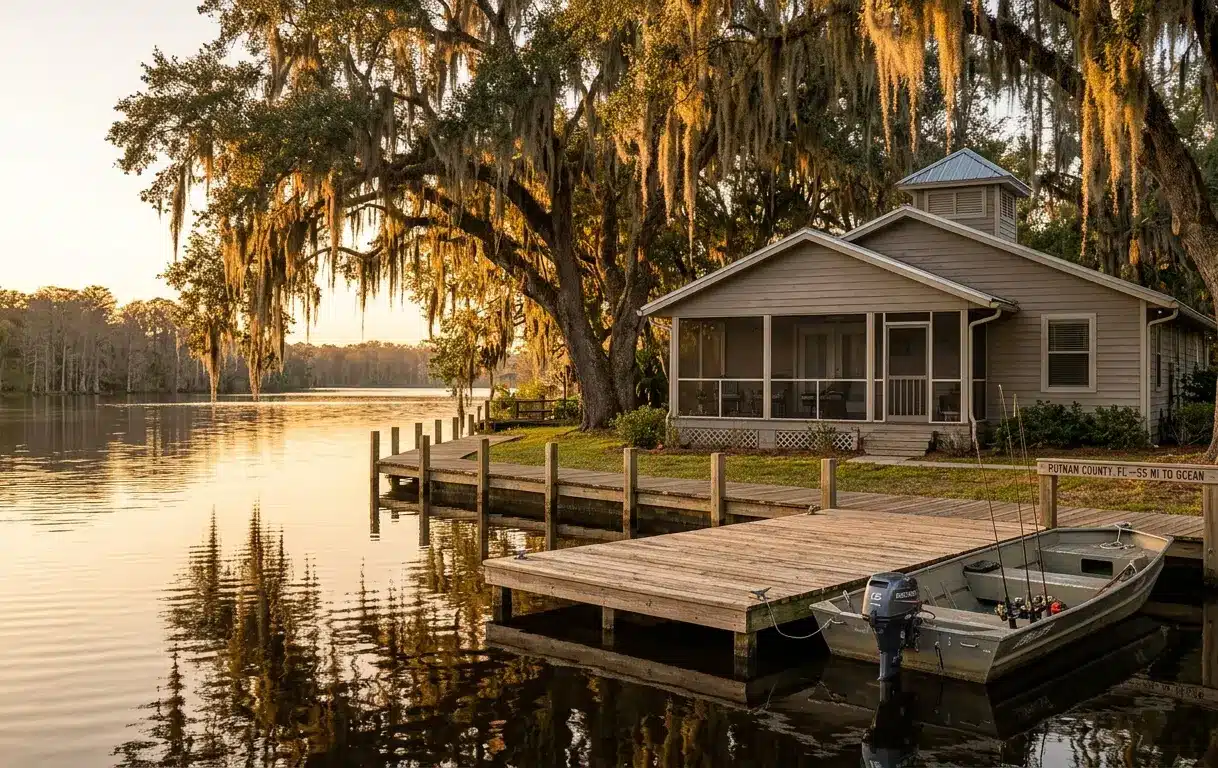 Most people searching for Florida waterfront property start with the Gulf Coast or the Atlantic beaches. That’s understandable, but coastal markets come with coastal prices that have become genuinely unrealistic for a large portion of buyers. Putnam County offers waterfront homes in Putnam County FL at a fraction of what comparable water access costs anywhere near the ocean, and that gap has only grown wider, which is exactly why more buyers are actively searching for waterfront homes in Putnam County FL before inventory gets picked over.
What Makes This Market Different From Coastal Florida
The St. Johns River is navigable, meaning many riverfront properties offer direct boat access to a connected water system stretching across Northeast Florida. Communities like Palatka, East Palatka, Interlachen, and Georgetown sit along or near the river and surrounding lakes, giving buyers a genuine choice between riverfront and lakefront living. You’re also within 45 to 60 minutes of Jacksonville, Gainesville, and St. Augustine, so the rural lifestyle doesn’t mean sacrificing access to city amenities or airports.Who Is Actually Buying Here
The buyer pool has shifted noticeably in recent years. Retirees seeking peaceful river living remain a core segment, but remote workers and short-term rental investors have grown significantly, particularly around Palatka and Interlachen where fishing tourism draws consistent visitor traffic year-round. First-time buyers priced out of Jacksonville or Gainesville are also discovering that waterfront ownership in Putnam County is more achievable than they assumed.Understanding Flood Zones Before You Make an Offer
 This is the step most buyers skip, and it’s the one that produces the most expensive surprises after closing. Almost every waterfront home in Putnam County falls within a FEMA-designated flood zone. That doesn’t mean you shouldn’t buy, but you need to understand which zone the property sits in before committing to a price.
Zone AE: The Most Common Designation Along the St. Johns River
Zone AE is a high-risk flood zone with a 1 percent annual chance of flooding. If you’re financing with a federally backed mortgage, flood insurance isn’t optional here, it’s a legal requirement. This zone covers a significant portion of riverfront properties along the St. Johns River corridor, and those insurance costs need to be factored into your monthly budget before you fall in love with any listing.Zone X and What It Means for Buyers
Zone X is moderate to low risk. Lenders don’t require flood insurance for Zone X properties, but for any waterfront home it’s still strongly recommended. The absence of a legal requirement doesn’t mean the absence of flood risk, particularly for homes adjacent to lakes or creeks that still experience seasonal water-level fluctuations. Buyers who skip flood insurance on Zone X waterfront homes in Putnam County FL to save on premiums are taking a gamble that doesn’t always pay off.How to Use the Elevation Certificate
The Elevation Certificate compares a home’s lowest floor to the base flood elevation set by FEMA. A home that sits above that elevation can qualify for substantially lower flood insurance premiums, sometimes hundreds of dollars less per year. Always ask for this document on any waterfront home you’re seriously considering. If one doesn’t exist, a licensed surveyor can produce one, and the cost is almost always recovered through lower annual premiums within the first year of ownership.What Waterfront Insurance Actually Costs in 2026
Florida’s insurance market has changed dramatically. Several major carriers have exited the state entirely, and premiums for waterfront properties have climbed as a result. Before settling on a purchase price, you need a realistic picture of what insurance adds to your monthly costs.Homeowner’s and Flood Insurance Ranges
A standard waterfront home in Putnam County typically costs between $2,000 and $4,500 per year for homeowner’s insurance in 2026, depending on the home’s age, construction type, and proximity to the water. Flood insurance through the National Flood Insurance Program runs between $700 and $3,000 or more per year depending on flood zone and elevation certificate status. Homes in Zone AE without an elevation certificate sit at the top of that range because insurers assume the worst-case scenario. This is especially worth understanding when evaluating waterfront homes in Putnam County FL, where insurance costs vary considerably from one property to the next depending on these two factors alone.Dock Permits and Riparian Rights Explained
 One of the biggest draws of waterfront living is having your own dock. But docks in Florida come with rules that aren’t always obvious to buyers from other states.