

Moving to St. Augustine FL: One of those things that sounds simple enough on paper until you actually start to price it out. St. Augustine is located in St. Johns County on the Atlantic coast of Florida, about 45 minutes south of Jacksonville and an hour north of Daytona Beach. It’s the oldest continuous European settlement in the United States, and that history isn’t just a tourism tagline, it’s truly woven into the streets, the architecture and the community identity in ways that make the city unlike anywhere else in Florida. And buyers come from all over the country looking for just that. But moving to St. Augustine FL in 2026 means navigating premium prices, a housing market that appreciated sharply over the past decade, and a few realities that the city’s well-earned reputation tends to overshadow. This guide doesn’t sugarcoat any of it. For the broader picture of what the county looks like from a real estate standpoint, St. Johns County FL real estate is worth reading first.For current listings and prices, see our St. Johns County FL homes for sale page. Before you decide on a number for your home search, you need to understand what St. Augustine actually costs to live in. St. Johns County runs more expensive than the other three Northeast Florida counties Kassidy serves across almost every housing metric. That premium is structural and sustained, it’s not going anywhere.
 If you talk to most families who moved to St. Augustine FL specifically, rather than just landing there, they’ll say the same thing: the schools. St. Johns County School District has held its ranking as Florida’s top-performing public school district for multiple consecutive years. That performance record isn’t a fluke and it doesn’t go unnoticed in the market. It’s priced into every single property in the county, and for families with school-age children, that premium carries a real return, both in educational outcomes and in long-term resale strength.
What Moving to St. Augustine FL Actually Looks Like in 2026
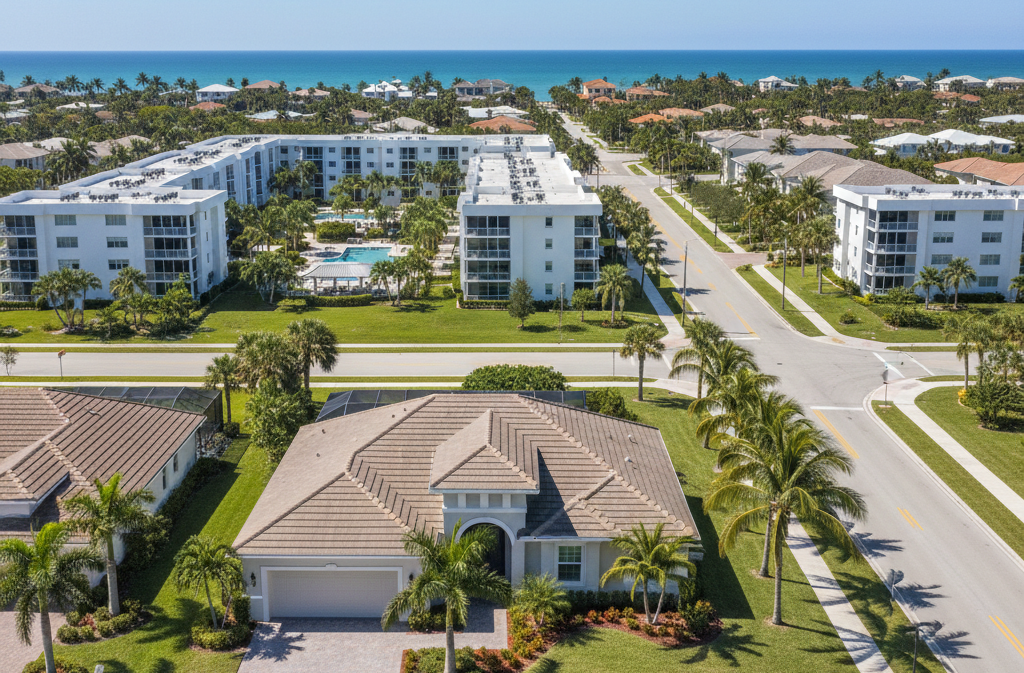
Moving to St. Augustine FL is not the same for every buyer. There are layers to the city. The historic downtown peninsula squeezed between the Matanzas River and the Intracoastal Waterway is walkable, charming and really expensive to call home. Then there’s the rest. World Golf Village, Nocatee, St. Augustine Beach and the growing communities along CR-210, all with suburban infrastructure and top school zones at prices that still beat the historic district but are well above what you’d pay elsewhere in Northeast Florida.The Historic District: Character Is a Premium
To live in the historic district is an experience of a different kind than to visit it. The streets are narrow, the tourist crowds are real if you’re there during the season, and the housing stock runs the full gamut from lovingly restored to seriously neglected. If character architecture and the ability to walk to dinner through 500-year-old streets appeals to you, that’s a real lifestyle advantage. But home prices here are $400,000 to $800,000 or more for well-maintained single-family properties, and older homes come with maintenance demands that newer construction simply doesn’t. Before you fall in love with a listing, bring that honesty into your numbers.The Suburban Growth Corridors: The Destination for Most Buyers
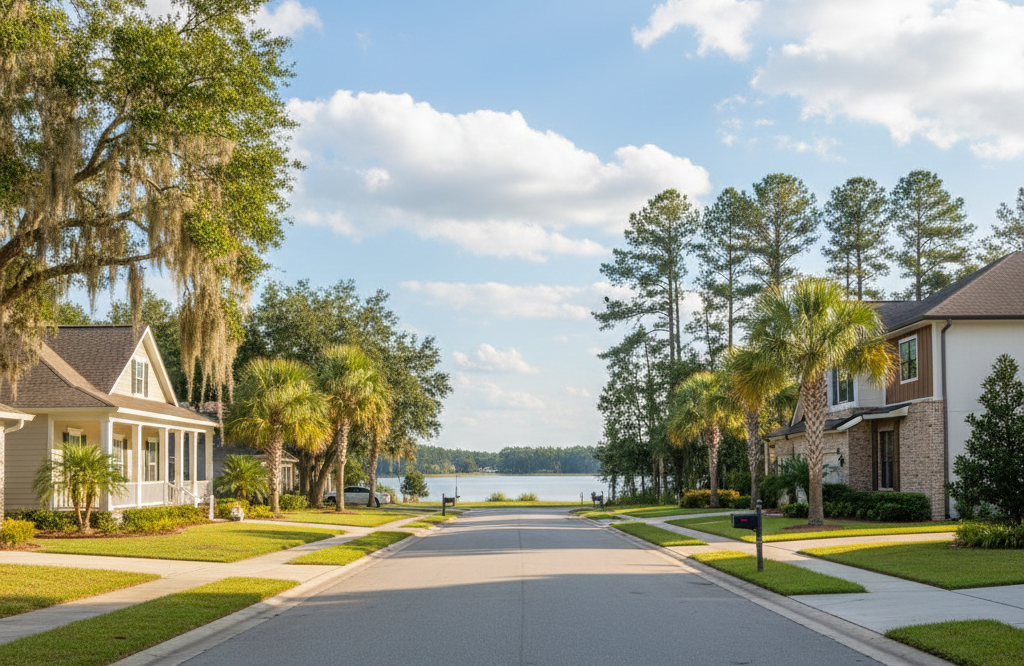
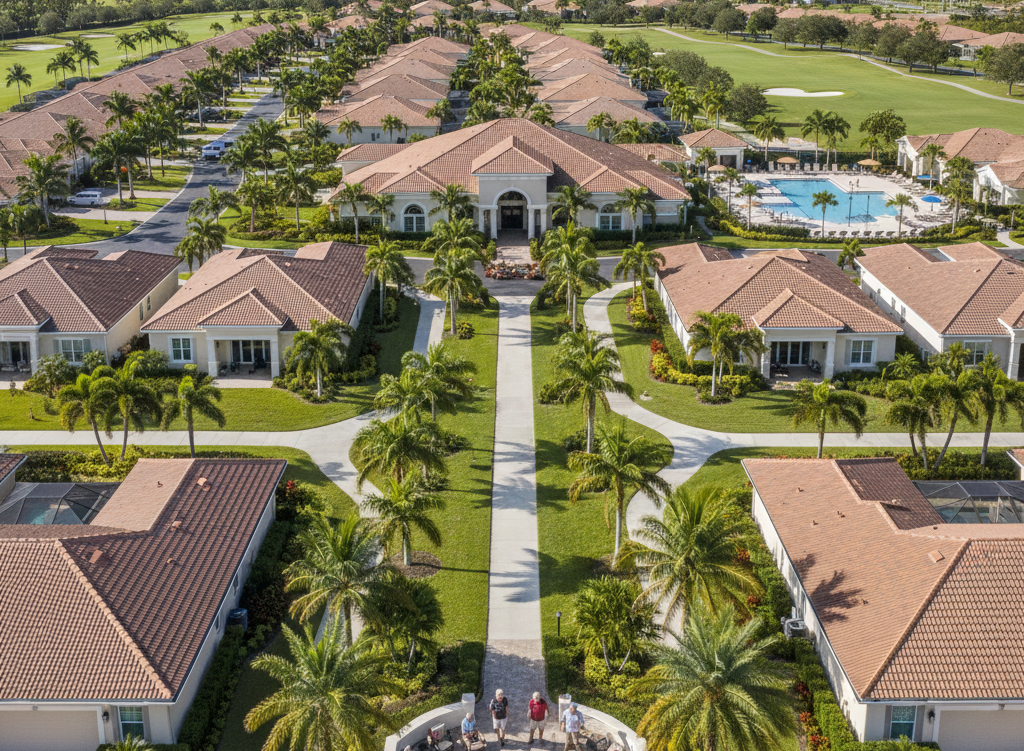
Most of the relocation articles fall short here. Most people moving to St. Augustine FL settle in the planned communities and suburban corridors outside the historic core, not inside it. For more than a decade, St. Johns County has been one of Florida’s fastest growing counties, according to the U.S. Census Bureau, with growth in Nocatee, World Golf Village and the CR-210 corridor west of I-95. That’s where you’ll find newer construction, HOA management, top school districts and the community infrastructure most families with kids are really looking for.Cost of Living When Moving to St. Augustine FL
 Before you decide on a number for your home search, you need to understand what St. Augustine actually costs to live in. St. Johns County runs more expensive than the other three Northeast Florida counties Kassidy serves across almost every housing metric. That premium is structural and sustained, it’s not going anywhere.
What Homes Cost in St. Augustine in 2026
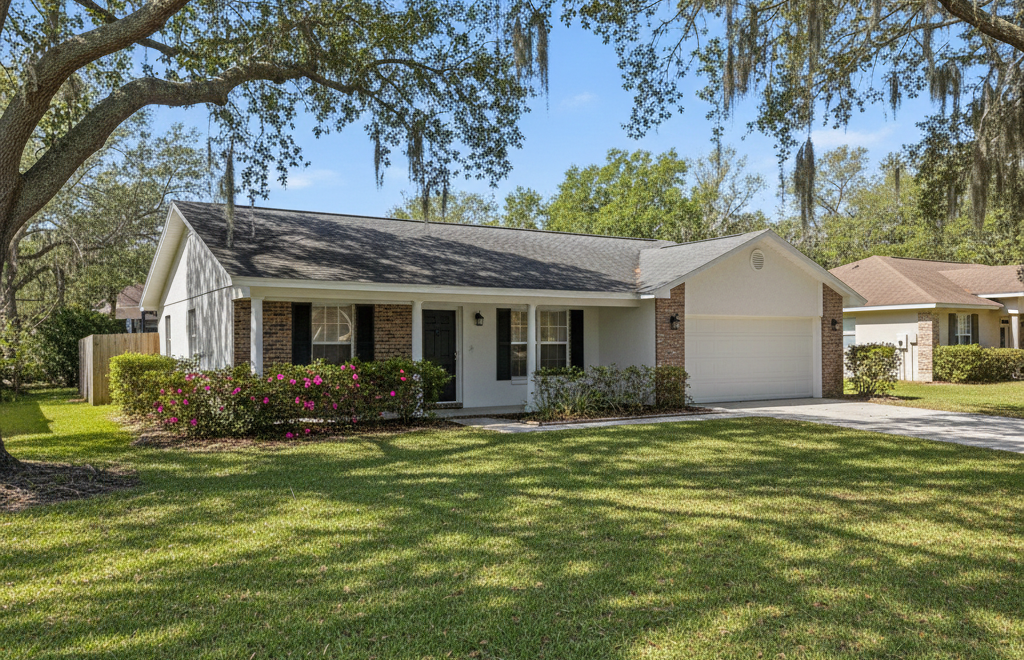
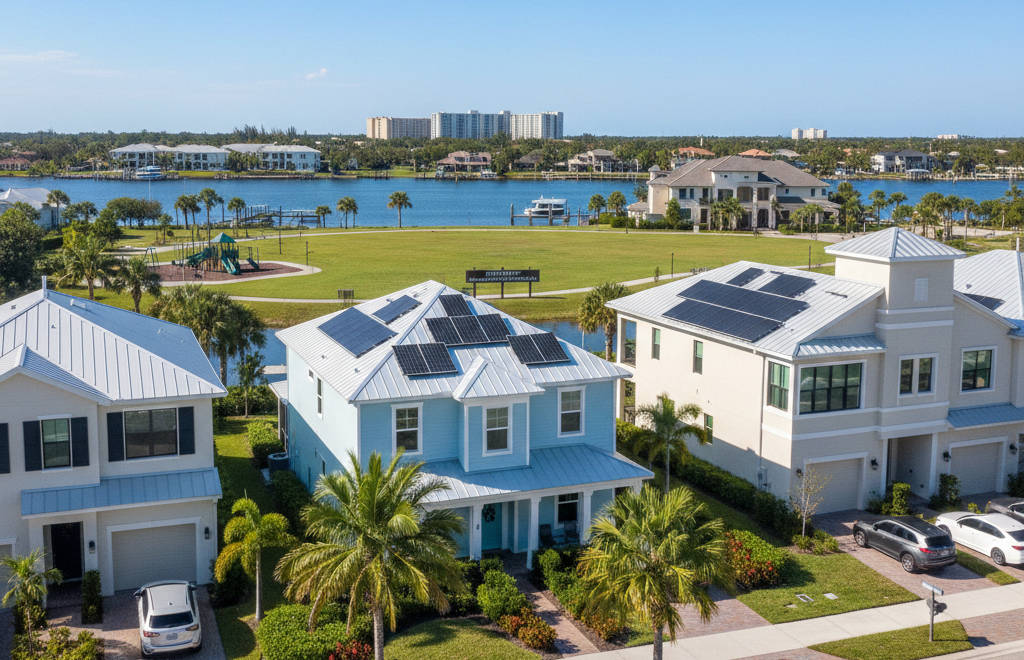
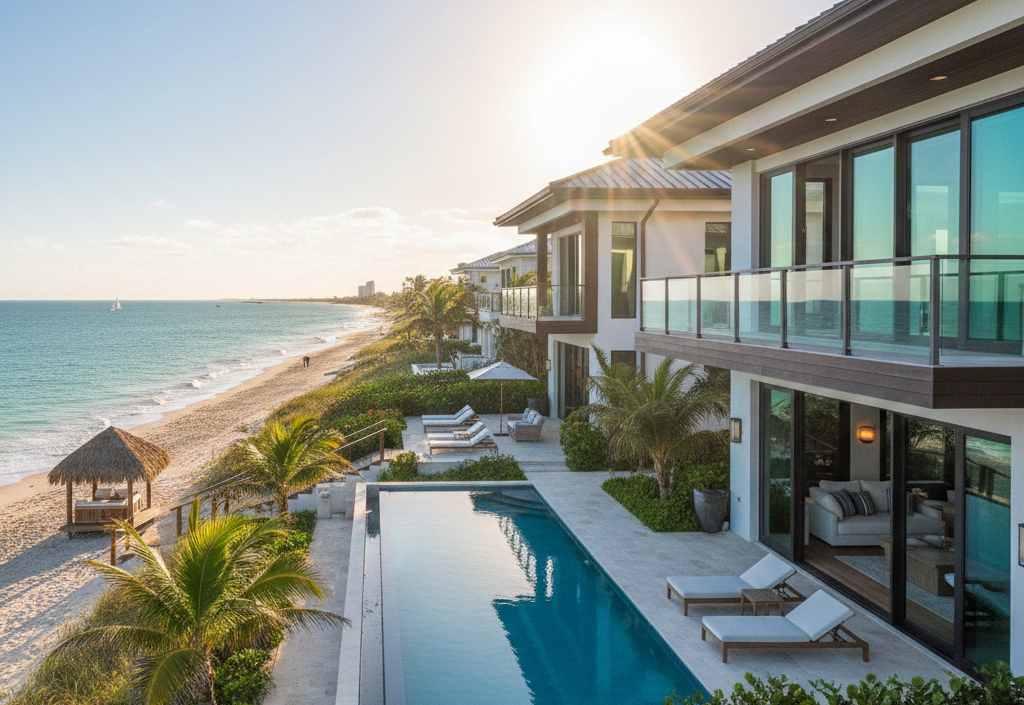
The living in St. Augustine FL guide covers the full lifestyle context, but the housing numbers for 2026 break down like this. Entry-level single-family homes in St. Augustine’s inland and suburban communities start around $300,000 and climb to $450,000 to $600,000 for anything in a solid school zone. Nocatee’s newer construction ranges from $350,000 for smaller units to $800,000 or more for larger builds on premium lots. Get anywhere near the coast or the Intracoastal and you’re starting around $500,000, with oceanfront properties in a completely different price tier. The home prices in North Florida 2026 guide shows exactly how St. Augustine’s numbers compare to surrounding counties so you can make an honest geographic comparison before you narrow down.Insurance and Ongoing Costs
Florida’s insurance market is a serious conversation for any buyer moving to St. Augustine FL, especially near the coast. Homeowner’s insurance for most St. Augustine properties runs $2,500 to $5,000 or more annually. Add flood insurance for anything in a coastal or Intracoastal flood zone and you’re looking at another $1,500 to $4,000 per year depending on elevation certificate status. None of this shows up in the listing price, but all of it shows up in your monthly bank account. Calculate the full ownership cost before you set your price ceiling.Schools: The Primary Reason St. Augustine Commands Premium Pricing
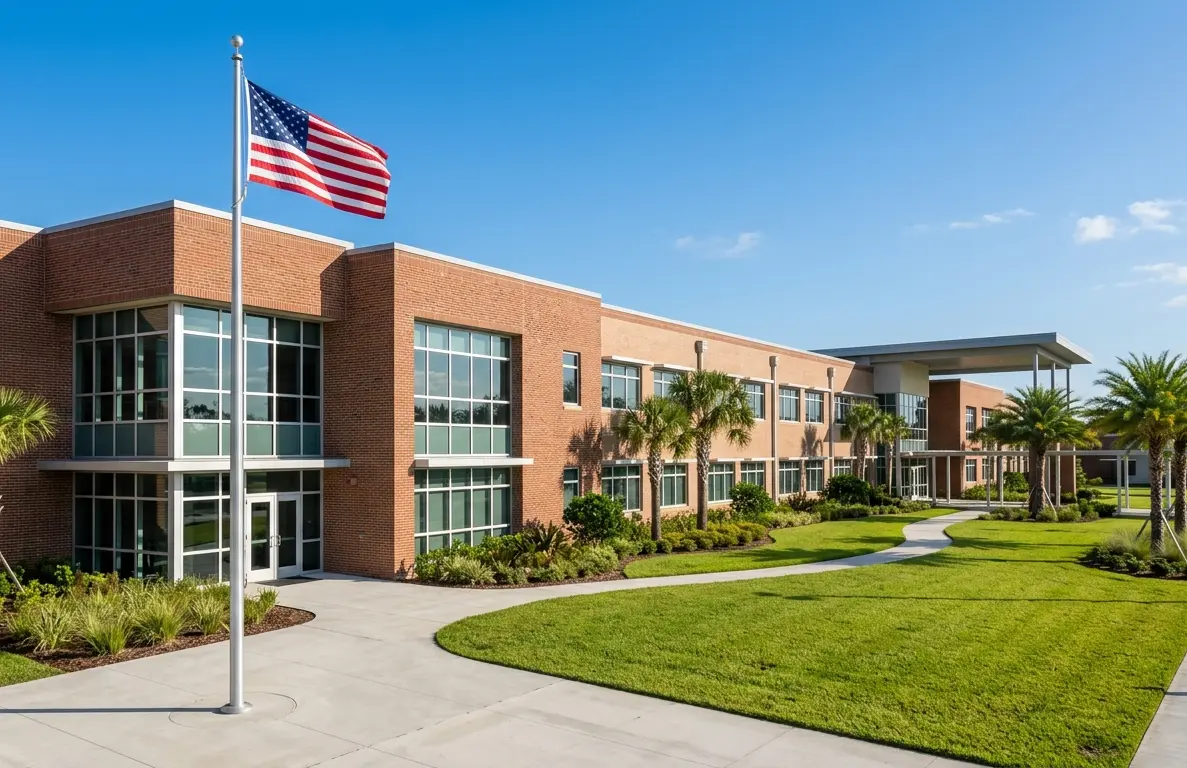 If you talk to most families who moved to St. Augustine FL specifically, rather than just landing there, they’ll say the same thing: the schools. St. Johns County School District has held its ranking as Florida’s top-performing public school district for multiple consecutive years. That performance record isn’t a fluke and it doesn’t go unnoticed in the market. It’s priced into every single property in the county, and for families with school-age children, that premium carries a real return, both in educational outcomes and in long-term resale strength.