

Retirement planning eventually comes down to the same handful of questions, no matter who you ask. Can you actually afford it long-term? Is a hospital close enough that you are not driving forty-five minutes for a routine appointment? And does the day-to-day pace of the place actually match what you pictured when you started looking? Northeast Florida checks a lot of those boxes at once, which is a big part of why 55+ communities Northeast Florida offers keep showing up on retirees’ shortlists year after year. This guide walks through where to look, what things actually cost, and what separates a genuinely good fit from a community that just photographs well.
We will get into why so many retirees end up choosing this part of the state in the first place, compare Putnam County and St. Johns County as two very different flavors of 55+ communities Northeast Florida offers, and cover what is actually worth checking before you sign anything. None of this is meant to be exhaustive marketing copy, it is the stuff people usually wish someone had told them before they toured their first community.
Why Retirees Are Choosing Northeast Florida
Florida’s lack of a state income tax gets mentioned in almost every retirement article ever written about this state, and yes, it matters. But it’s rarely the actual reason someone picks Northeast Florida specifically over, say, Central Florida or the Gulf Coast. What tends to seal it is the mix: real affordability compared to South Florida, winters mild enough that you are not shoveling anything, ever, and the option to live either near the coast or somewhere quieter inland without having to leave the region entirely.
Healthcare access matters more here than most people expect going in. It’s one of those things nobody thinks hard about until they need it. Areas closer to Jacksonville and St. Augustine have deeper hospital networks and more specialists on hand, while the more rural stretches trade some of that convenience for a noticeably lower cost of living and a lot less traffic. Neither is objectively “better”, it depends on how much peace of mind you need from proximity to a hospital versus how much you’d rather spend on groceries and property taxes instead.
Worth being honest about the climate too. Summers here are hot, humid, the kind of heat that surprises people moving from up north even when they think they are prepared for it. But the winters more than make up for it if you are someone who wants to be outside, gardening or walking or fishing, nearly every month of the year.
Top Areas for Retirees: Putnam County
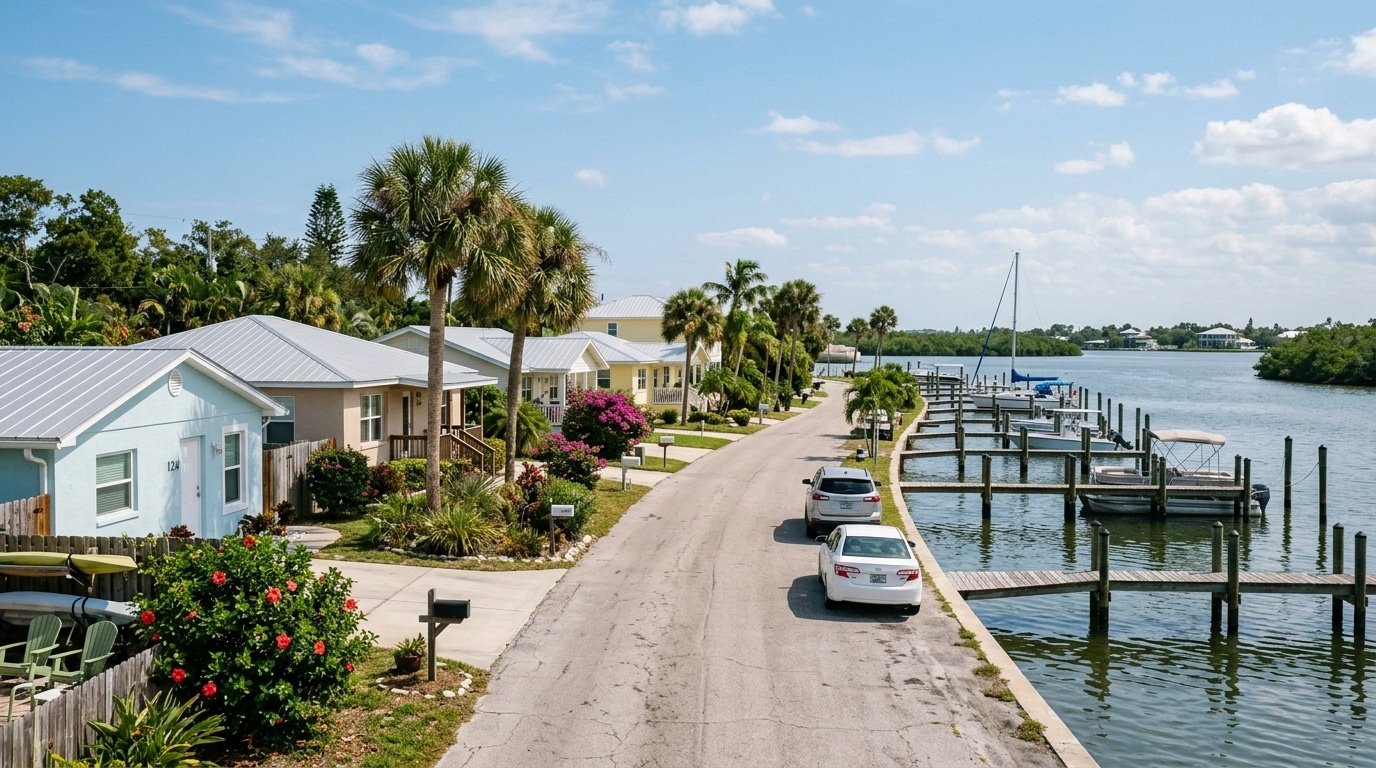
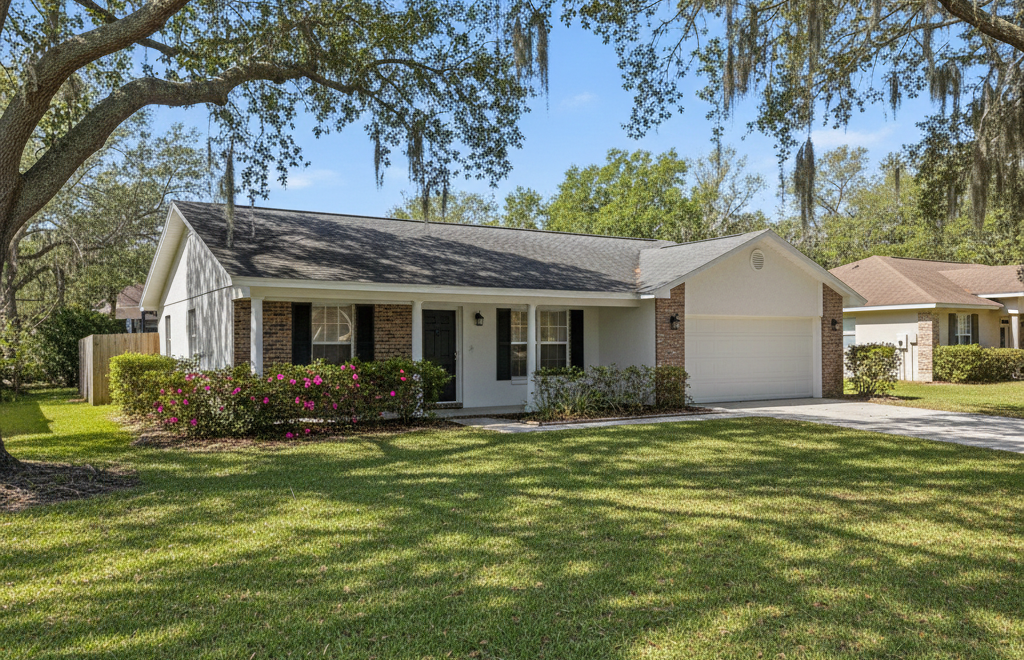
Putnam County is, plainly, one of the more affordable stops among 55+ communities Northeast Florida has to offer, and it’s especially worth a look if waterfront living is on your list but coastal prices aren’t. The St. Johns River cuts through a good chunk of the county, and that means access to boating, fishing, and a genuine river-town lifestyle for a fraction of what similar water access runs closer to the coast.
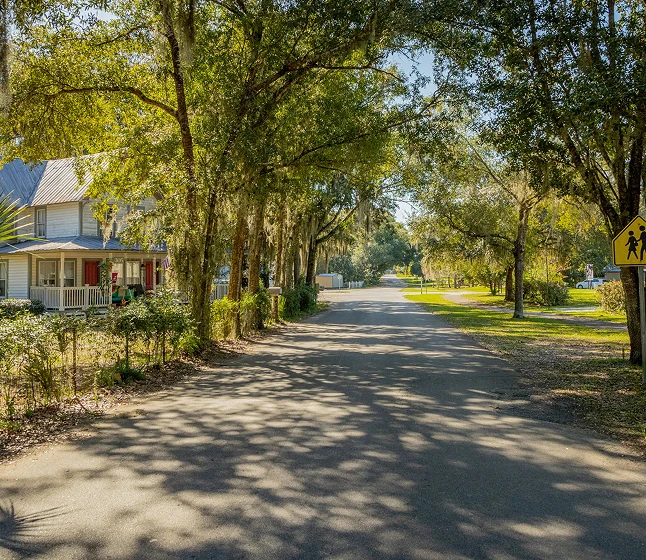
The pace here is slower, and people who have lived in St. Johns County or Jacksonville notice it almost immediately. Towns like Palatka and Interlachen aren’t trying to be anything other than what they are, small, quiet, and a little old-fashioned in the best sense. That’s the appeal for a lot of retirees who’ve simply had enough of traffic, crowded parking lots, and neighborhoods where you don’t know anyone’s name. If you want to see what’s actually sitting on the market right now instead of relying on general impressions, it’s worth taking a few minutes to browse what’s available in Putnam County and comparing it against pricing elsewhere in the region.
Top Areas for Retirees: St. Johns County
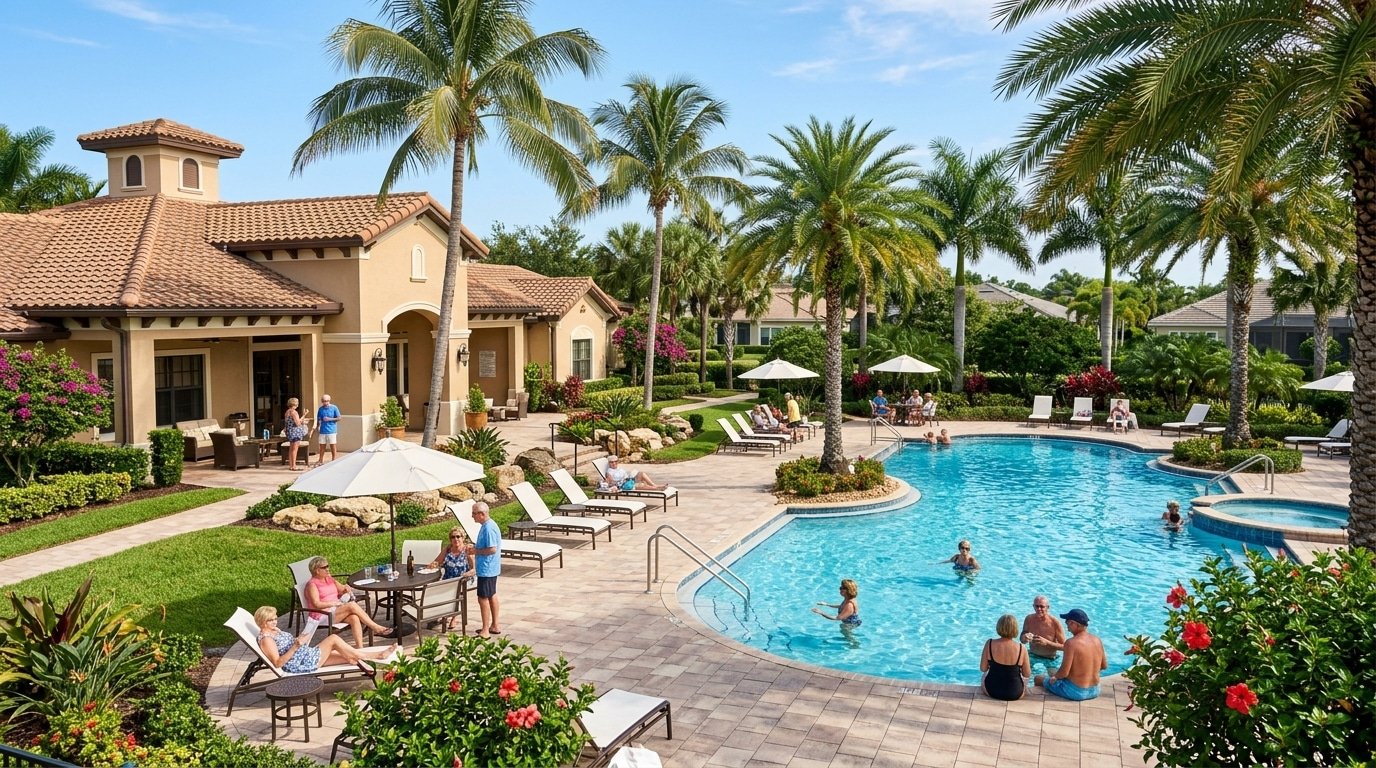
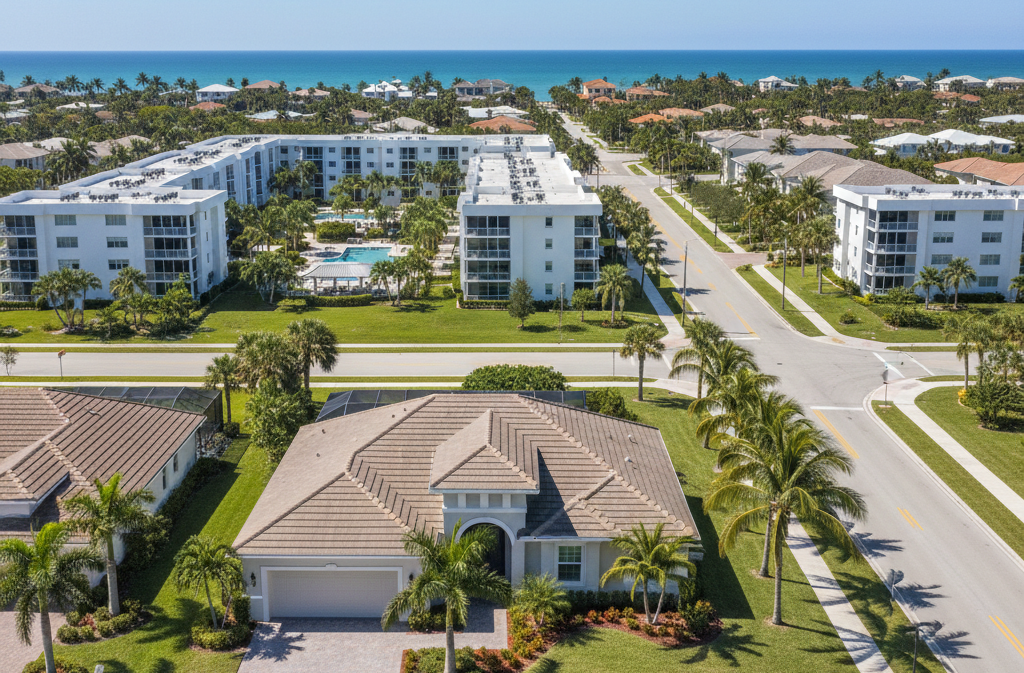
St. Johns County plays by a different set of rules. Prices run noticeably higher than Putnam County, no way around that, but what you get in return is real: stronger hospital networks, more specialists, and senior-focused medical services concentrated around St. Augustine and Ponte Vedra that Putnam simply doesn’t have at the same scale.
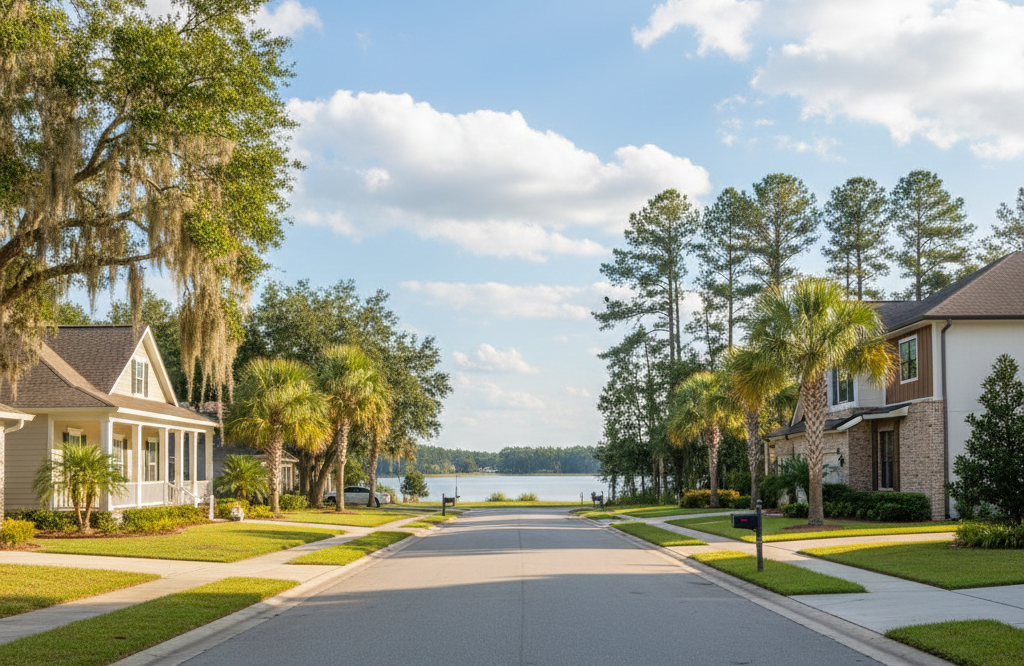
If you’re the type of retiree who wants a built-in social calendar rather than making your own fun, several 55+ communities Northeast Florida offers within St. Johns County lean hard into that, fitness centers, organized events, clubs for everything from pickleball to painting. It’s a genuinely different lifestyle than what Putnam County offers, more structured, more amenity-driven, and honestly a better fit for people who thrive on having things to do close to home. You can see current listings in St. Johns County to get a real sense of pricing across both age-restricted neighborhoods and general-market homes nearby.
What to Look for in a 55+ Community
Not every age-restricted neighborhood operates the same way, even when the brochures all start to look alike after a while. A few things worth actually checking before you commit to anything:
- HOA structure and fees. Some communities roll lawn care, exterior maintenance, and amenity access into one HOA payment. Others charge separately for nearly everything, which can make two communities with similar sticker prices end up costing very different amounts month to month. Ask for an itemized breakdown, not just a total.
- Age restriction rules. Most 55+ communities require at least one resident to be 55 or older, and most also cap how long younger family members or guests can stay before it becomes a violation. If grandkids visit for extended stretches, read this section of the HOA docs closely.
- Amenities that actually match how you live. A stunning golf course clubhouse means nothing if you don’t golf. Walk the community and picture your actual week there, not the version of retirement you see in the marketing photos.
- Resale value trends. Some 55+ communities hold their value better than others depending on local demand, builder reputation, and how the HOA has managed reserves over time. Ask how resale pricing has moved over the past few years, not just what’s listed today.
And if downsizing from a larger family home is part of the plan before any of this happens, it’s worth thinking through that piece early. Timing a sale against a purchase, especially across two different counties, can shift your whole budget in ways that are hard to undo once you’re mid-contract.
Cost of Living for Retirees
Property taxes deserve real attention here, especially for anyone living on a fixed income where a few hundred dollars a month actually moves the needle. Florida’s homestead exemption can meaningfully lower taxable value, and there are additional exemptions available to seniors who meet certain income thresholds, programs a lot of new residents don’t even know exist until someone tells them. The Florida Department of Elder Affairs keeps current details on these property tax relief programs and other senior benefits, and it’s worth ten minutes of reading before you assume you don’t qualify for anything.
Insurance is the other piece people underestimate, particularly homeowners and flood coverage, which swings a lot depending on county and how close a property sits to water. Get actual quotes for the specific home you’re considering rather than trusting a statewide average, the difference between a Putnam County inland property and a St. Johns County waterfront property can be enormous, and averages hide that completely.
If you want a deeper, numbers-based look at cost of living in one of the region’s more affordable towns, our moving from New York to Florida guide breaks down real figures that apply well beyond just people relocating from out of state.
Final Thoughts
Choosing between the 55+ communities Northeast Florida offers really just comes down to what you’re willing to trade off. Putnam County gives you affordability and a genuinely quiet, waterfront pace of life. St. Johns County gives you stronger healthcare access and a more amenity-packed, socially active lifestyle, at a real cost premium. Neither one is the “right” answer across the board, it depends entirely on what your version of a good retirement actually looks like day to day. If you’re planning a move soon, it’s worth getting a free home valuation on your current home first, so you know your real number before you start touring communities and falling in love with one that’s out of budget.