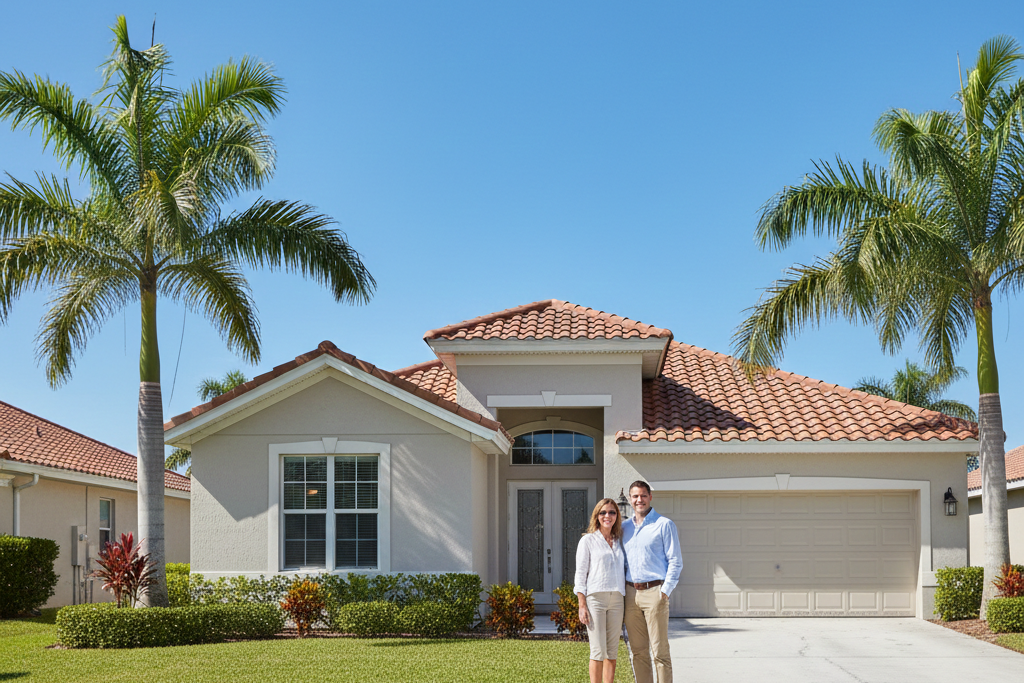


Living in Gainesville FL means a college town built around the University of Florida and its health system, with moderate costs: property taxes around 0.85% of assessed value, homeowners insurance of about $1,800 to $3,000 a year, older homes from roughly $200,000 to $400,000 and new construction from about $350,000. It is about 90 minutes from Jacksonville and the Atlantic beaches. Gainesville is in Alachua County, one of the four counties Kassidy serves.
College towns have a different feel: young energy, constant activity and a rich cultural life. Living in Gainesville FL offers exactly that. The University of Florida, with more than 50,000 students and thousands of faculty and staff, shapes the whole community.
For current listings in and around Gainesville, see our Alachua County FL homes for sale page.
Gainesville isn’t only for students, though. Families, professionals and retirees all call it home. It is more affordable than South Florida, Tampa or Orlando, with museums, performances, sports and the arts year-round, and a job market anchored by the university, a growing healthcare sector and a young tech scene.
Whether it’s right for you depends on your priorities. If you value education, affordability and a small-city feel with real amenities, it’s worth a close look. This guide covers location, costs, housing, neighborhoods, jobs, schools and daily life.
Where is Gainesville Located?
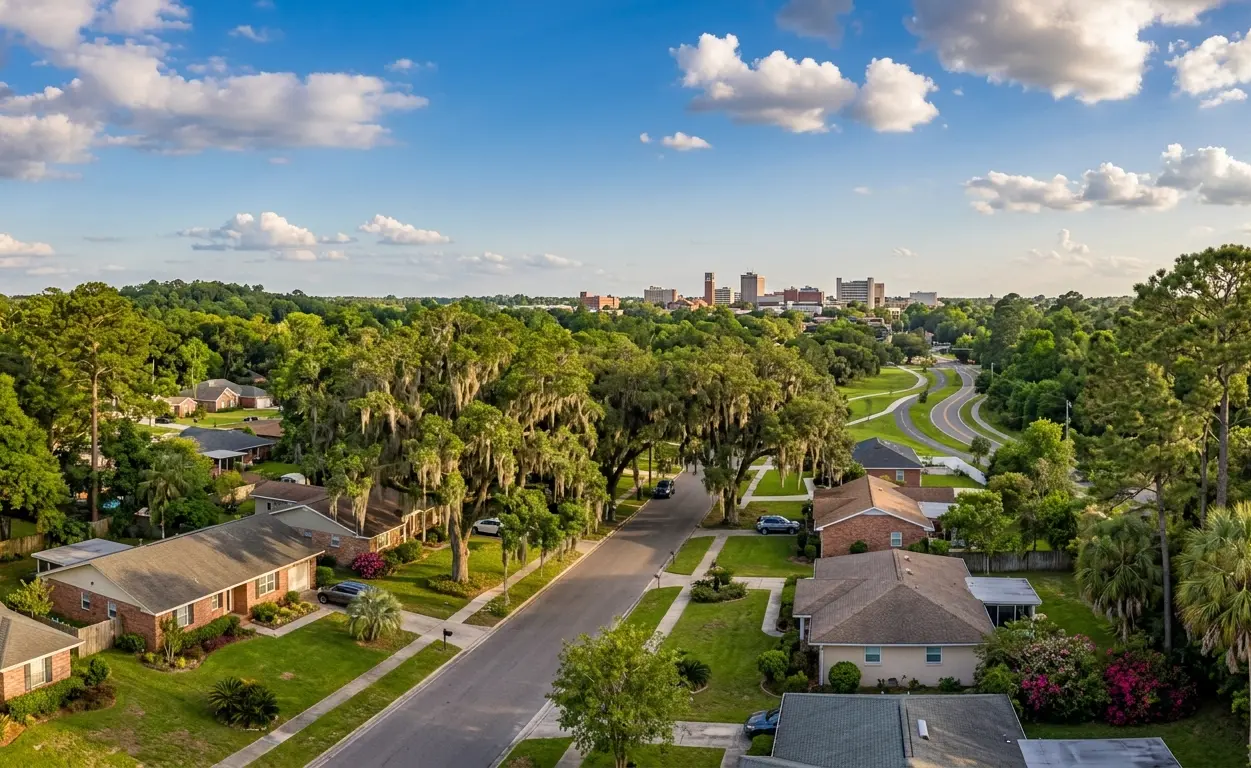
Gainesville sits in North Central Florida, in Alachua County. It is an inland city, about 90 minutes from Jacksonville and the Atlantic beaches, about 40 minutes north of Ocala and horse country, roughly 75 minutes from St. Augustine and about two hours from Tampa and the Gulf beaches.
I-75 runs along the west side of the city, making north-south travel easy. Gainesville Regional Airport is small, with limited direct flights, so many residents fly out of Jacksonville or Orlando, about 90 minutes and two hours away.
Alachua County includes more than Gainesville, with several small towns, rural areas and suburban communities. The city has about 140,000 residents and the county about 280,000, a manageable, mid-size scale.
For those exploring the broader region, Alachua County FL homes for sale include options beyond just Gainesville city limits.
Cost of Living in Gainesville FL
Living in Gainesville FL is moderately priced: below the Florida average and well below Miami, Tampa and Orlando, but above rural North Florida towns such as Lake City and Palatka, which have fewer amenities.
Housing Costs Breakdown
Housing is the biggest expense, and costs depend on what you choose.
Buying costs:
- Median home price: $315,000 to $350,000
- Entry-level homes: $225,000 to $300,000
- Desirable neighborhoods: $350,000 to $500,000
- Luxury areas: $500,000 and up
Rental costs:
- One-bedroom apartment: $1,100 to $1,500
- Two-bedroom apartment: $1,400 to $1,800
- Three-bedroom house: $1,800 to $2,400
- Student housing: $600 to $900 per room
Property taxes are moderate, at about 0.85% of assessed value in Alachua County. Homeowner’s insurance typically costs $1,800 to $3,000 a year, depending on coverage, home value and location.
Average utilities:
- Electricity: $150 to $250 a month
- Water and sewer: $60 to $100
- Internet: $60 to $100
- Total utilities: $270 to $450
Other living costs:
- Groceries: $400 to $700 a month for a family
- Gas and transportation: $250 to $400
- Healthcare: varies widely
- Entertainment: $200 to $500
Understanding the full cost of living in North Florida helps compare Gainesville to other regional cities.
Rent vs Buy Decision
Whether to rent or buy in Gainesville mostly depends on how long you plan to stay.
Renting makes sense if you:
- are a student staying about four years
- have an uncertain job situation
- want to test the area first
- don’t yet have a down payment
- value flexibility
Buying makes sense if you:
- plan to stay five years or more
- have a stable income
- have your down payment ready
- want an investment
- want to build equity
The break-even point is typically four to five years, after which buying usually comes out ahead. Strong student rental demand also makes buying a rental property a realistic way to earn steady income.
Gainesville FL Real Estate Market
Prices vary considerably by neighborhood.
Median Home Prices by Area
Haile Plantation: $400,000 to $600,000. An upscale, family-oriented golf community with plenty of amenities.
Tioga: $300,000 to $425,000. A growing area of newer developments with good schools and a suburban feel.
Duckpond: $350,000 to $500,000. A historic, walkable neighborhood of character homes close to downtown.
Oakmont: $275,000 to $375,000. An established, family-friendly community with good value and a convenient location.
Archer Road area: $250,000 to $350,000. Close to campus, with strong rental demand and investment potential.
Investment Opportunities
Gainesville’s rental market creates steady opportunities, because student housing is always needed. UF enrollment is stable at more than 50,000 students, and not all of them live on campus. Rental yields of 6% to 8% are typical, better than many markets.
Property managers can handle tenant placement and maintenance for a fee. Expect more turnover than in other markets as students graduate and move, and plan for possible summer vacancies, either by budgeting for gaps or offering summer leases. Over the long term, appreciation is steady: the university isn’t going anywhere, and growth is moderate, which makes Gainesville a relatively safe market.
Before investing, getting accurate home valuation in North Florida ensures you pay fair market value.
Homes for Sale in Gainesville FL Market
The market is active, with reasonable inventory across price points. New construction in suburban developments generally starts around $350,000. Older homes in historic neighborhoods, including character properties and renovation opportunities, run about $200,000 to $400,000. Condos and townhomes cost about $150,000 to $300,000 and make good, low-maintenance starter homes, and buildable lots are available if you want a custom home.
Homes typically sell in 30 to 60 days. Bidding wars are uncommon, reasonable offers are taken seriously and inspections are standard, which makes for a balanced market.
According to Realtor research data, mid-size college towns like Gainesville often show stable, steady appreciation rather than dramatic swings.
Student Life and Rental Market
The University of Florida shapes nearly every part of life in Gainesville. Its 50,000-plus students drive the economy and the culture, and the campus combines historic buildings with modern facilities at a top-ranked research university.
Football is huge. On fall Saturdays, Gator Nation fills Ben Hill Griffin Stadium, which holds about 90,000 fans. Student areas such as Midtown are lively, with bars, restaurants and nightlife.
Rental demand is constant, and many parents buy condos for their students. Lease cycles are predictable, with move-ins in August and move-outs in May, and shared housing is common, which keeps occupancy high. The university is also a major employer of faculty, staff and researchers, and the academic calendar sets the city’s rhythm: busy during semesters, quieter in summer. Student spending supports local restaurants, shops and services.
Things to Do in Gainesville
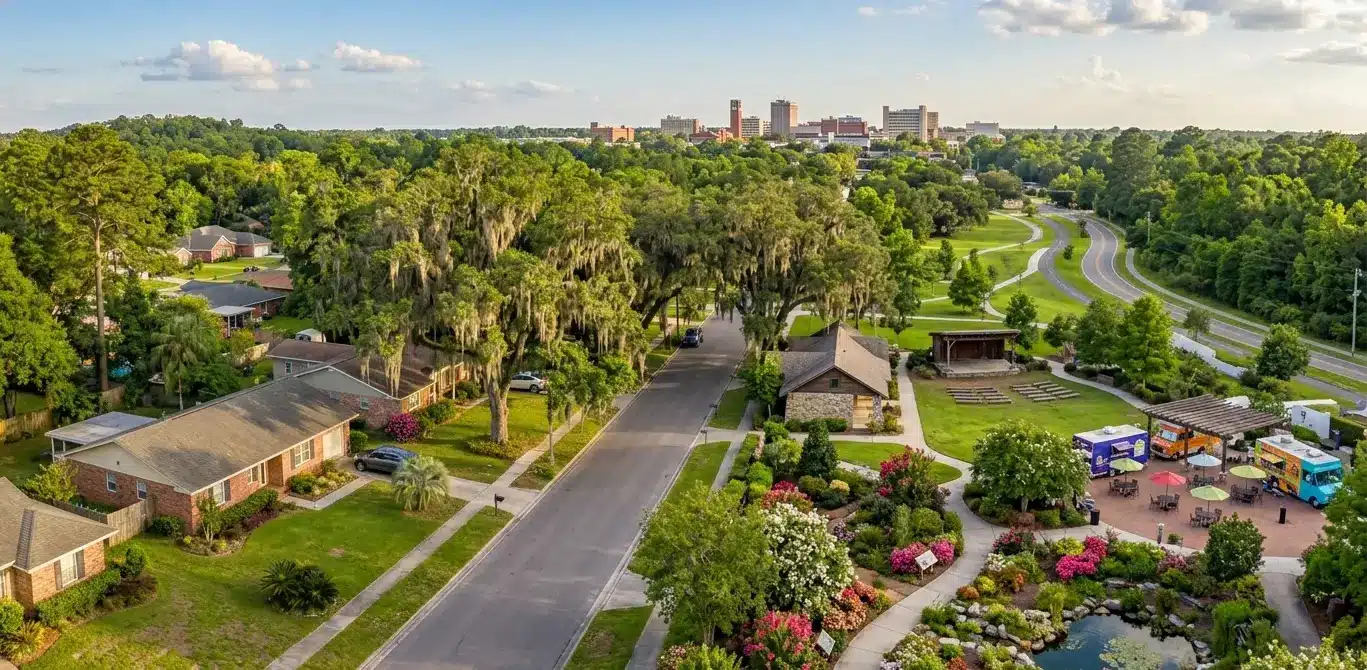
There is plenty to do, from nature and culture to sports and dining.
Natural attractions:
- Paynes Prairie Preserve, with bison, wild horses and wildlife
- Devil’s Millhopper Geological State Park
- Kanapaha Botanical Gardens
- Many parks and trails
Cultural activities:
- Harn Museum of Art (free admission)
- Florida Museum of Natural History
- Hippodrome Theatre
- Performances at the Phillips Center
Sports and recreation:
- Gator football games
- Basketball at Exactech Arena
- Intramural sports
- Fitness facilities
Downtown:
- Local restaurants
- A growing brewery scene
- Live music venues
- Art galleries
Shopping:
- The Oaks Mall
- Butler Plaza
- Local boutiques
- Farmers markets
For more North Florida activities, our guide to things to do in Palatka, including Ravine Gardens State Park, shows nearby nature experiences about an hour away.
The food scene is diverse, with student-friendly prices, upscale restaurants and a popular food truck culture.
Job Market and Healthcare
If you’re moving to Gainesville, Florida, the job market is solid and growing steadily.
Major employers:
- University of Florida (the largest)
- UF Health Shands Hospital
- Exactech (medical devices)
- Infinite Energy
- Local government
Growing industries:
- Healthcare
- Technology
- Biotech research
- Education
- Professional services
UF drives the local economy through research funding, technology transfer and startup incubation. Healthcare is excellent: UF Health Shands is a major teaching hospital offering specialized care and research, and HCA Florida North Florida Hospital adds another option.
Unemployment is typically low, thanks to an educated workforce and a stable, fairly recession-resistant economy. Salaries are lower than in Miami, but so is the cost of living, so purchasing power is decent. Remote workers will find good internet, coworking spaces and plenty of coffee shops.
Moving to Gainesville Florida: Pros and Cons
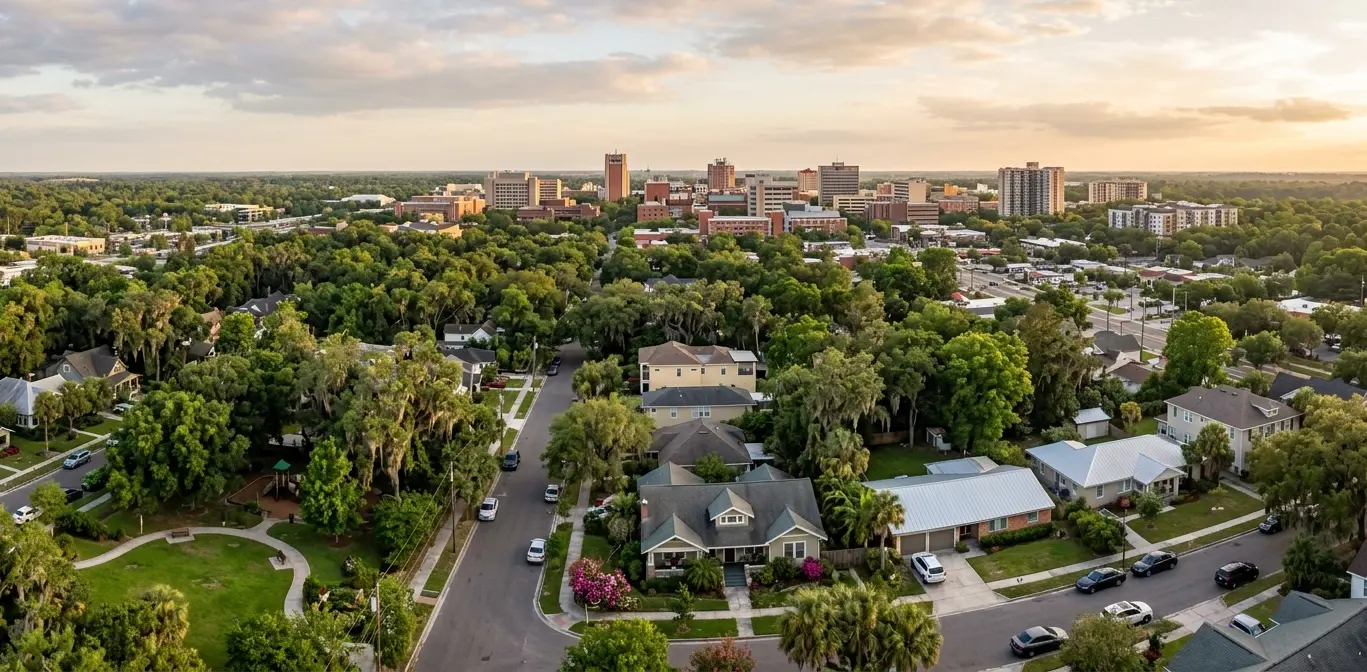
Here is an honest look at both sides.
Pros:
- More affordable than Florida’s major cities
- A strong job market in education and healthcare
- Excellent healthcare access
- Plenty of cultural activities
- Good schools in parts of the county
- College-town energy
- Nature close by
- A strong sports culture
- A diverse, educated community
Cons:
- Very hot, humid summers
- A large student population that shapes the city’s feel
- Heavy traffic on football weekends
- Limited public transportation
- Limited airport options
- No coastline
- Higher crime in some areas
- Visible homelessness
- Difficult downtown parking
- It can feel small to some people
The right balance depends on what you value and what you’re willing to put up with.
Best Neighborhoods for Families
For families, schools and safety are the priorities, and a few areas stand out.
Haile Plantation: top schools, safe streets and family amenities, at higher prices that many families find worth it.
Oakmont: good schools and parks in an established, family-focused community with reasonable prices.
Tioga: a newer, fast-growing area with modern homes, good schools and a suburban feel.
Jonesville: an affordable, family-oriented and growing area on the west side, with good value.
School ratings vary, so research specific schools, visit campuses and talk to other parents.
Is Gainesville a Good Place to Live?
It depends on you. Gainesville suits some people especially well.
A great fit for:
- University employees and students
- Healthcare professionals
- Young families
- Retirees who enjoy a college-town atmosphere
- Investors interested in the rental market
- Culture lovers and sports fans
Maybe not for:
- Beach lovers, since the coast is not close
- People looking for big-city life
- Anyone who hates humidity
- People who would rather avoid a student population
- Nightlife enthusiasts, as options are limited
- Frequent flyers who need a major airport
Most residents are happy here, citing a good quality of life, affordable living, cultural richness and a strong sense of community.
If you’re considering making Gainesville home, the first-time home buyer in Florida guide walks through the complete purchasing process.
Weather and Climate
Gainesville has hot, humid summers and mild winters.
Summer (June to September):
- Highs of 90 to 95°F
- High humidity
- Frequent afternoon thunderstorms
- Air conditioning is essential
Winter (December to February):
- Highs of 65 to 70°F
- Lows of 40 to 50°F
- Occasional freezes
- Generally mild and pleasant
Spring and fall:
- Comfortable temperatures
- Lower humidity
- The best seasons for outdoor activities
Hurricanes are still a risk. Being inland reduces the impact compared with the coast, but it pays to be prepared.
Schools and Education
School quality in Gainesville varies, so families should research individual schools.
Well-regarded schools:
- Buchholz High School (public)
- Eastside High School (public, known for its IB program)
- Oak Hall School (private)
- A range of elementary options
The Alachua County school district has some excellent schools and some that struggle, so check ratings for the specific schools you would be zoned for.
Higher education:
- University of Florida, the state’s flagship university
- Santa Fe College
- Continuing education and professional development programs
Private schools with a variety of approaches and costs are also available.
Transportation and Commuting
Most residents need a car, because public transit is limited.
Main roads:
- I-75 on the west side
- Archer Road, a main corridor
- Newberry Road, a busy east-west route
- 13th Street through the center of town
Public transit: the RTS bus system is free for UF students, but routes and service frequency are limited.
Biking: the campus and some neighborhoods are bike-friendly, trails are expanding and the infrastructure keeps improving, though the summer heat is a factor.
Commuting: most trips within the city take 15 to 25 minutes, and traffic is manageable except on football Saturdays, when it pays to plan ahead.
Make Your Gainesville Decision
Living in Gainesville FL offers a distinctive lifestyle: college-town energy, cultural richness, affordable living and a strong community. It isn’t perfect for everyone, with hot summers, a large student presence and no beaches nearby. For the right person, though, it is an excellent choice: university employees thrive, families find good value, investors benefit from steady rental demand and students love it.
The housing market is healthy, prices are reasonable and living costs sit below Florida’s major cities. Jobs are anchored by the university and a growing healthcare sector, and culture, sports and nature are all close at hand.
Visit more than once, explore the neighborhoods, talk to residents and run the numbers. If your priorities line up with what Gainesville offers, you may find it’s the right place for your next chapter.