

The Florida homestead exemption is one of the most valuable financial benefits available to Florida homeowners and one of the most consistently misunderstood. At its core, the Florida homestead exemption reduces the assessed taxable value of your primary residence by up to $50,000, which directly lowers your annual property tax bill. For a home assessed at $300,000 in most Northeast Florida counties, that exemption translates to annual property tax savings of $500 to $1,000 or more depending on the local millage rate. Beyond the direct tax reduction, the Florida homestead exemption also triggers the Save Our Homes cap, which limits how much your assessed value can increase each year regardless of what the market does, and provides constitutional protection against forced sale by most creditors. Understanding how to claim this benefit, when the deadline falls, and what qualifies your property is essential knowledge for any Florida homeowner. If you’re evaluating North Florida real estate and want to understand how the homestead exemption affects your actual monthly ownership costs before you buy, this guide gives you the complete picture.
When you’re ready to compare actual homes and their tax bills, you can search current North Florida homes for sale.
What the Florida Homestead Exemption Actually Is
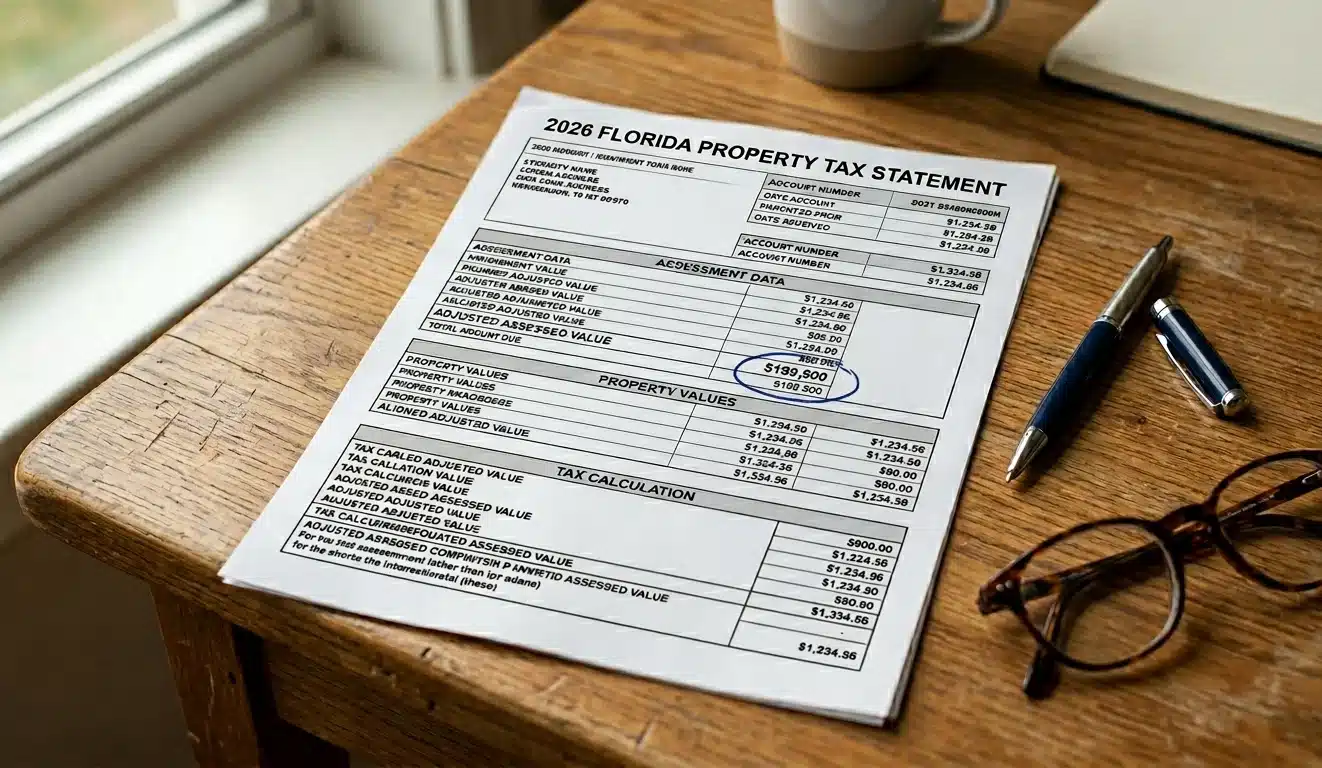
The Florida homestead exemption is a property tax benefit created by the Florida Constitution that reduces the assessed taxable value of a qualifying primary residence. The benefit applies in two tiers that most homeowners don’t fully understand.
The Two-Tier Exemption Structure
The first $25,000 of assessed value is exempted from all property taxes, including school district taxes. The second $25,000 of exemption applies to assessed value between $50,000 and $75,000 and exempts that portion from all taxes except school district taxes. The combined effect on a $300,000 home depends on the specific county and school district millage rate, but the annual savings across most Northeast Florida counties run between $700 and $1,400 per year when the full exemption applies.
The Save Our Homes Cap: The Long-Term Benefit Most People Miss
The Florida homestead exemption also triggers the Save Our Homes assessment limitation, which caps annual increases in your property’s assessed value at 3 percent or the rate of inflation, whichever is lower. In markets where home values are appreciating at 8 to 12 percent annually, this cap means your property tax bill stays relatively stable even as your home’s market value climbs. Over five to ten years of ownership in an appreciating market, the Save Our Homes benefit often delivers more cumulative savings than the initial exemption reduction itself.
Who Qualifies for the Florida Homestead Exemption
The Florida homestead exemption is available to Florida residents who own their home and use it as their permanent primary residence as of January 1 of the tax year in which they’re applying.
Eligibility Requirements
You must be a Florida resident with the property as your primary residence on January 1. You cannot claim homestead exemption in Florida and a similar primary residence exemption in another state simultaneously. The property must be titled in the name of the applicant, either solely or jointly with a spouse or family member. Trusts, LLCs, and corporate ownership structures have specific rules that affect eligibility and are worth clarifying with your county property appraiser before you structure your purchase. Rental properties, vacation homes, and investment properties do not qualify for the Florida homestead exemption regardless of how much time the owner spends there.
How to Apply for the Florida Homestead Exemption

Applying for the Florida homestead exemption is done through your county property appraiser’s office, not through the Florida Department of Revenue directly. Each county manages its own exemption application process, though the state sets the eligibility standards that all counties follow. According to the Florida Department of Revenue, the application process is straightforward and most counties now offer online submission through their property appraiser’s website.
What You Need to Apply
The typical Florida homestead exemption application requires your Social Security number, a Florida driver’s license or Florida ID showing your property address, vehicle registration showing the property address, and proof of Florida residency such as utility bills or bank statements if your ID doesn’t show the property address yet. For new purchases, most county property appraisers also want a copy of your recorded deed. The specific documents required vary slightly by county, so checking your county property appraiser’s website before you apply saves time.
Florida Homestead Exemption Deadline: Don’t Miss It
The Florida homestead exemption application deadline is March 1 of the tax year for which you’re claiming the exemption. This is a hard deadline in most counties. If you close on a Florida home in January 2026 and miss the March 1, 2026 deadline, you won’t receive the exemption until 2027, and you’ll pay a full year of unexempted property taxes in the meantime. New homebuyers who close near the end of the year should apply immediately after closing if January 1 of the following year is approaching.
How the Florida Homestead Exemption Affects Your Monthly Costs
Understanding the monthly cost of owning a home in Florida before you purchase includes factoring in the homestead exemption benefit for your specific county. Property tax calculations in Florida start with the assessed value, subtract applicable exemptions, and multiply by the millage rate to produce your annual tax bill. Buyers who calculate property tax costs from the market value without accounting for the homestead exemption overestimate their monthly carrying costs by a meaningful amount. Understanding home prices in North Florida 2026 alongside the homestead exemption benefit gives you an accurate total monthly ownership picture before you commit to a purchase price. For new buyers, the buying a home in Florida guide covers the complete process including property tax estimates at closing.
Browse Homes Where Your Homestead Exemption Goes Furthest
In Northeast Florida’s lower-priced markets, the homestead exemption represents a higher percentage of the total property tax bill than in higher-priced markets, making affordability even stronger for buyers in Putnam and Clay counties. Search homes in North Florida to browse current inventory across all four counties and see what your budget buys after accounting for the exemption benefit in each market.
Final Thoughts on the Florida Homestead Exemption
The Florida homestead exemption is a genuine and meaningful financial benefit that every Florida primary residence owner should claim as soon as they’re eligible. The annual tax savings, the long-term Save Our Homes assessment cap, and the constitutional creditor protection combine to make homeownership in Florida significantly more financially advantageous than the pre-purchase numbers suggest. The only risk is missing the March 1 deadline, a mistake that costs real money and is entirely preventable with basic awareness. For guidance on how the homestead exemption affects your specific purchase in Northeast Florida and what your total monthly ownership costs look like with the exemption applied, contact Kassidy Babcock for a direct, honest conversation about what the numbers actually look like for your situation.